

Pakistani Interior Minister Mohsin Naqvi announced on Tuesday that "significant progress" had been made during talks with the Iranian leadership on the conflict with the US and Israel and efforts to reach a settlement.
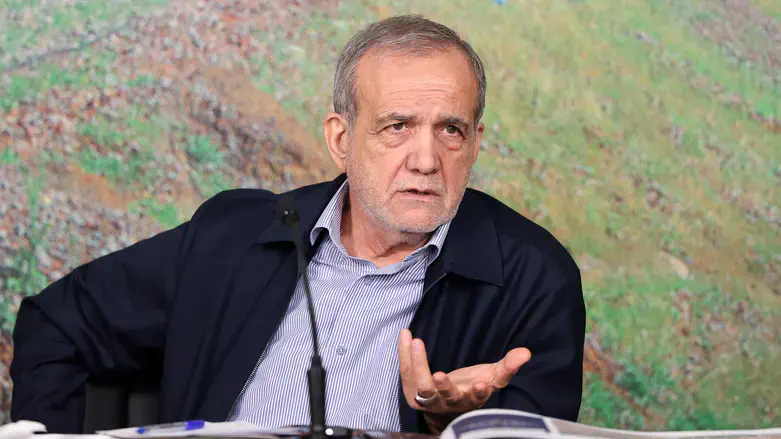
Naqvi accompanied Pakistan's army chief, Field Marshal Syed Asim Munir, on a visit to Tehran, where the two met with the Iranian President.
"Field Marshal Syed Asim Munir and I had a very positive and productive meeting with the President of Iran," Naqvi said following the meeting.
He said the discussions focused on the Iran-US conflict, tensions in the Middle East and possible steps toward resolving the conflict, including measures needed from both sides to restore the Islamabad Memorandum of Understanding.
"The Iranian President candidly shared his Government's perspective and concerns, and we had a very constructive exchange on the issues involved," Naqvi stated.
"Significant progress was made, and the meeting concluded on a highly positive note. We remain hopeful that this momentum will help pave the way for further progress and lasting peace in the region," he added.
The Pakistani military said the talks also addressed efforts to prevent further escalation, reopen the Strait of Hormuz and expedite an end to the conflict, as well as the prospects for a negotiated settlement.
Reuters reported on Monday that Munir spoke with US President Donald Trump ahead of his visit to Tehran.
In the meantime, the US has launched "Operation Economic Outcast," an economic campaign intended to isolate Iran and cut off sources of revenue available to the Iranian regime.
US Secretary of the Treasury Scott Bessent announced the campaign on Monday, saying Washington intends to target Iran's economic connections around the world. The measures cover areas including petroleum, transportation, banking, shipping, aviation, digital assets, technology and gold.
Bessent warned governments, financial institutions and other entities that continue facilitating Iranian economic activity that they could face US action, including secondary sanctions and exclusion from the US dollar system.
Iranian Economy Minister Ali Madanizadeh responded that Tehran had prepared for the economic pressure and had developed a two-year plan to manage it. Deputy Foreign Minister Kazem Gharibabadi claimed the economic campaign demonstrated that Washington had failed to achieve its objectives through military action.
At the same time, US Secretary of War Pete Hegseth made clear that further military action against Iran remains an option.
"By no means are we foreclosing using kinetic strikes anywhere in the Strait of Hormuz or around Iran," Hegseth told reporters.
Hegseth also said that Iran would be unable to withstand the economic pressure being applied by the United States.