

American authorities suspected Israel of scheming to assassinate Tehran's primary diplomatic envoys during high-stakes intermediary peace negotiations held this spring, The New York Times reported on Thursday.
While targeted killings of Iranian leadership remained central to Israel's military strategy since hostilities began on February 28 - following an airstrike that eliminated Supreme Leader Ayatollah Ali Khamenei - Washington’s anxieties escalated sharply in April, according to the report.
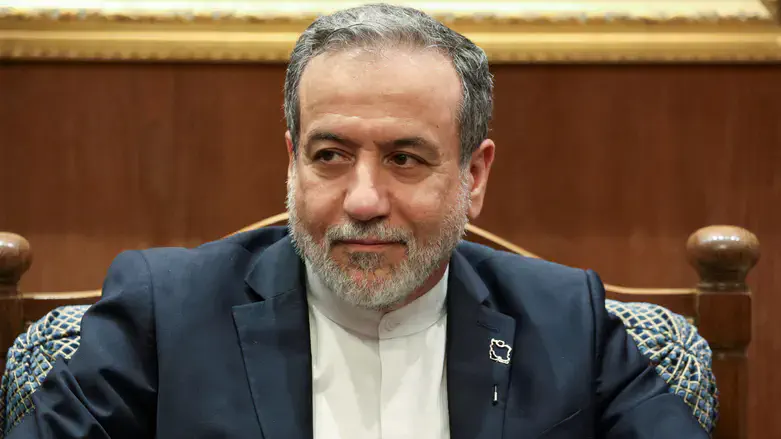
The specific concerns centered on Abbas Araghchi, Iran's foreign minister, and Parliament Speaker Mohammad Bagher Ghalibaf. Fearing that their deaths would collapse the fragile diplomatic track and reignite full-scale warfare, the Trump administration took the extraordinary step of asking regional partners to caution Tehran, according to the Times.
This friction highlighted a deep rift between allied war aims. While the United States pursued a peace pact, Israel remained highly critical of diplomatic concessions.
The security risks for the negotiators were exceptionally high. Ghalibaf had already survived being pulled from rubble twice: once during the 12-day conflict in June 2025, and again during a bunker strike this year.
According to the Times, The threat materialized directly during a return flight from a meeting with Vice President JD Vance in Islamabad. Escorted by Pakistani fighter jets to the border, Ghalibaf's aircraft received intelligence that two Israeli fighter jets had breached western Iranian airspace near Iraq to intercept them.
The plane executed an emergency diversion to Mashhad, forcing the diplomats to take an eight-hour overland drive back to Tehran. Despite the persistent dangers, the Iranian delegation continued international travel, holding subsequent sessions in Qatar and Switzerland.