
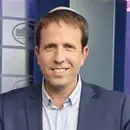
In a conversation with Arutz Sheva - Israel National News, Rabbi Yitzchak Neriah spoke passionately about supporting Torah scholars in the Religious Zionist community, arguing that serious Torah leadership requires both long-term dedication and meaningful communal backing.
Rabbi Neriah, Rosh Yeshiva Torah BZion Jerusalem, who heads the Echad L'Echad foundation supporting outstanding Torah scholars, said the initiative was created out of a simple understanding: excellence requires investment. “We all know that in order to get the best of the best, you have to support them," he said. “It works everywhere - in academia, in sports, in the army. Exactly the same concept we have for Torah."
According to Rabbi Neriah, the foundation identifies elite young scholars and provides them with financial and emotional support so they can continue advanced Torah study. “If you want the best of the best to sit and learn and become great Torah scholars, you have to find them and support them," he explained. “Support them meaning: knowing, ‘I believe in you.’"
Torah BZion cultivating our gedolim. partnership week - everyone is a partner>>>
He emphasized that many of these scholars choose the path of Torah study despite attractive professional alternatives. “Most of them, when they tell their parents, ‘I want to be a Torah scholar,’ the parents ask, ‘Why? You can be a doctor, you can be a lawyer,’" he said. “But they really choose Torah because of responsibility."
Unlike stereotypes sometimes associated with the yeshiva world, Rabbi Neriah stressed that these students are fully integrated into modern Israeli society. “They learn math, they learn everything, they know how to use computers," he said. “They decided to dedicate their life to Torah for us."
At the same time, he described the severe financial pressures facing young Torah families. “A yeshiva stipend might be 1,800 shekels," he noted. “How can you support a family, live in Jerusalem, with three or four kids? You stay with no money. We decided we’re going to support them exactly at this point," he said. “If you sit and learn for us, we will support you."
Rabbi Neriah also spoke about changing attitudes within the Religious Zionist public toward Torah scholarship. "When we started, people looked at us and said, ‘Are we haredim?’" he recalled. “I said, ‘No. I serve in the army, my kids serve in the army. We all have our own values, our own world of Torah.’"
Still, he argued, a community that does not cultivate Torah leadership risks losing it entirely. “If we will not invest in the future of our Torah world, we won’t have it," he warned.
He shared a story about a mother who initially refused to support her son’s long-term yeshiva learning. “She told me, ‘If he goes to university, I’ll support him,’" Rabbi Neriah recounted. “I told her, ‘Your son is one of the best. Let him sit and learn for a few years.' I asked him recently, ‘How are your parents?’ He said, ‘They’re so proud of me.’"
Addressing tensions between the Religious Zionist and haredi worlds, Rabbi Neriah responded to criticism from some Haredi leaders who have questioned the authenticity of Religious Zionist Torah scholarship. “It hurts. It’s really hard to hear those words," he admitted. “But I think we have to take a wide point of view. I’m sure that in the near future, the greatest sages will come from us as well."
Rabbi Neriah said younger generations in the haredi community are increasingly recognizing the seriousness of Religious Zionist Torah institutions. They come and see - wow, this is a real world of Torah," he said. "We learn everything. We don’t say, ‘This is not part of Torah.’ You can step in and see the entire bookshelves for all generations. This is what’s unique about our world of Torah. We are not trying to give up ideologies. We’re trying to combine."
Rabbi Neriah pointed to two scholars who recently passed Israel’s demanding rabbinical judges’ examinations despite extensive reserve military service. “The two who passed the tests and became religious judges were the two who did the most days of reserve service. It means they’re serious."
For Rabbi Neriah, the current era represents a historic religious moment tied to the State of Israel. “We live in an unbelievable generation. We have to be part of it. Many of these students are already rabbis. They will be the next leaders of our generation."
Rabbi Neriah also highlighted the emotional connection donors feel toward supporting Torah scholars. “Whenever I hear from a donor, ‘Thank you for letting me support you,’ it warms my heart. They feel they are doing something great for themselves, for their kids, and for their grandkids."
He concluded by discussing the traditional partnership model in which working individuals financially support Torah scholars. “The Torah says not everybody can sit and learn. Some people are very good in business. Some people are doctors and lawyers. But Torah has to be in the center. It’s not huge money, but it’s so important for them in a crucial time of life. Together, we’re building the future of Torah in Israel."
Torah BZion cultivating our greatest sages. partnership week - everyone is a partner>>>