

The European Union Aviation Safety Agency (EASA) announced on Tuesday the extension of its Conflict Zone Advisory for Israeli airspace and several other nations across the Middle East and Persian Gulf, Globes reported.
The updated directive will remain in effect until at least May 27, though the agency has notably adjusted its tone regarding the current security landscape.
While previous communications from the European regulator urged airlines to completely avoid the region, the new bulletin shifts toward a strategy of heightened vigilance.
Carriers are now advised to "exercise caution and take potential risks into account when operating within the airspace of Bahrain, Kuwait, Israel, Jordan, Qatar, Oman, UAE and Saudi Arabia."
The agency noted a general reduction in the intensity of the conflict but emphasized that the situation remains extremely fluid. In its latest assessment, EASA provided a stark warning regarding the potential for renewed hostilities.
"While the overall level of risk has decreased in the region, the sustainability of the ceasefire remains uncertain in the longer term, with a possibility of rapid escalation. Therefore, close monitoring and up-to-date risk assessments remain essential to ensure safety of flights. Should the existing truce break down, the airspaces covered by this Bulletin are likely to be exposed to imminent threats."
This cautious approach highlights the delicate nature of the current ceasefire and the ongoing threat of a sudden return to large scale combat operations.
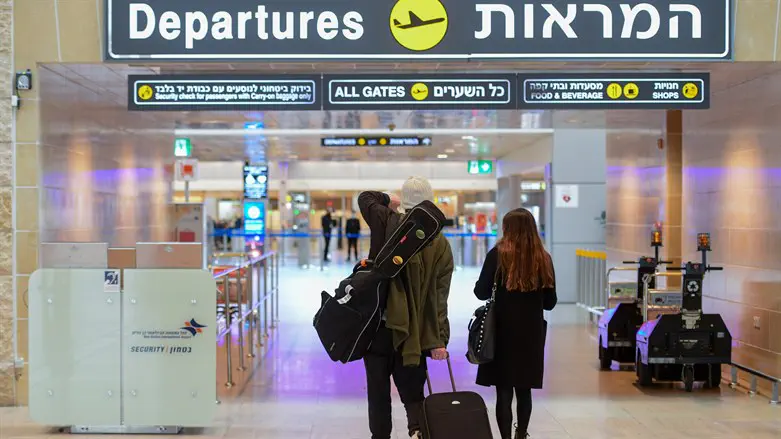
The extension of the advisory is expected to create further logistical hurdles for foreign airlines planning their return to Ben Gurion Airport. Major European carriers such as Wizz Air, KLM, Air France, and Air Europa are reportedly re-evaluating their scheduled resumption dates in light of the continued EASA warning.