
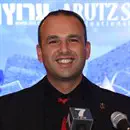

A question posed by UTJ MK Meir Porush during a closed meeting of the Knesset Foreign Affairs and Defense Committee on Sunday sparked sharp criticism from fellow coalition lawmakers after he asked IDF Chief of Staff Eyal Zamir about the military resources devoted to dealing with Hilltop Youth outposts in Judea and Samaria.
The closed security briefing marked Zamir’s first appearance before the committee since assuming office approximately 14 months ago.
During the discussion, Porush requested figures regarding IDF operations in Judea and Samaria and asked Zamir how much manpower and funding the army allocates to addressing activity connected to unauthorized Hilltop Youth outposts in what he described as dangerous areas.
“If we are talking about manpower, how many personnel does the army devote to dealing with the various outposts of the Hilltop Youth in the dangerous areas of Judea and Samaria? And how much does that cost us?" Porush asked.
Porush later explained that his remarks came against the backdrop of growing tensions with members of the Religious Zionism party over the issue of conscripting yeshiva students into the military. “If Religious Zionism is against yeshiva students, then we will ask about settlements," he said.
Coalition sources strongly condemned Porush’s comments, accusing him of targeting settlers during a critical security discussion. Critics argued that instead of focusing on ongoing military operations and security challenges across multiple fronts, Porush chose to raise questions about settlement outposts and their impact on army resources.
During the same committee meeting, Zamir reportedly addressed the issue of military conscription at length, emphasizing that advancing the proposed conscription legislation is essential for the IDF’s long-term manpower needs.
The chief of staff warned lawmakers that any law passed must be enforceable and not merely symbolic, cautioning that without meaningful progress on conscription legislation, the burden on IDF reserve forces could become unsustainable in the coming years.