
The Knesset subcommittee on IDF human resources, chaired by MK Elazar Stern, convened for a follow-up discussion on recognition of suicides that occurred after service.
The committee examined the findings of the committee and the status of their implementation regarding discharged soldiers and reservists who were not in active service and who took their own lives following their service.
The committee chair, MK Elazar Stern, said, "We must not fear that recognizing those who took their own lives is giving legitimacy to suicide. When it comes to soldiers who committed suicide, where it is clear to us that there is a direct connection between their service and the suicide - the defense establishment must recognize them." He added, "The system knows how to deal with what it sees but struggles with the ability to identify and locate, and this is a fundamental problem."
 , a
, a
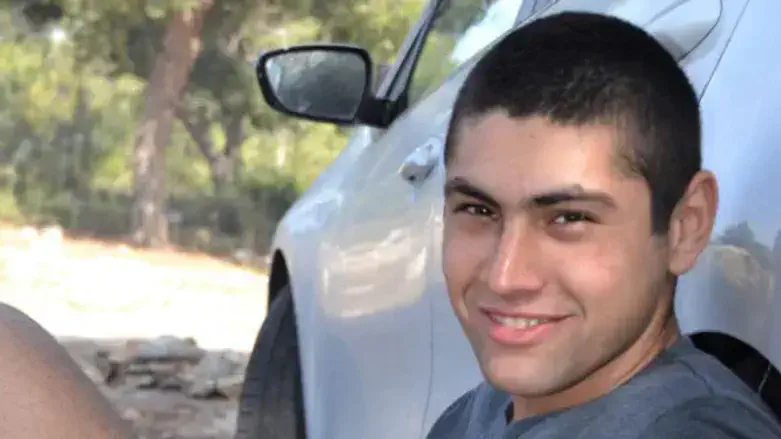
The session included the parents of the late Shayetet commando who took his life after his service. His mother described an intensive service that included operational activity and combat, and said that his mental state deteriorated toward the end of his service, "Already eight months before discharge Gil reached out and asked for help. That conversation did not take place. Nothing was done about it. No one followed up with him."
His father added, "It was a long, clear, visible, painful deterioration - and it could have been seen", and noted that a single intervention would have been enough to identify the distress. According to them, his condition worsened after discharge, and he withdrew and became isolated.
Brig. Gen. Edna Ilia, the chief human resources officer, said that the IDF considers itself committed to everyone who served and to their families even after discharge. She said, "This commitment does not end on the day of discharge... and it continues after the end of service," and added that the framework is based on a notion of responsibility and accompanying families.
The committee's conclusions were then presented, according to which the distinction between civilian and soldier should be maintained for the status of "Fallen Soldier:" Alongside this, a recommendation was made to promote a dedicated response for the families of discharged soldiers and reservists who took their lives after service, according to circumstances related to their service.
The proposed response includes examining parameters such as length of service, type of role and exposure to unusual events. In addition, accompaniment of families by an IDF representative and guidance on submitting a recognition request to the Ministry of Defense were presented, with each case examined on its merits and professional opinions sometimes used to assess the causal connection between service and death.