

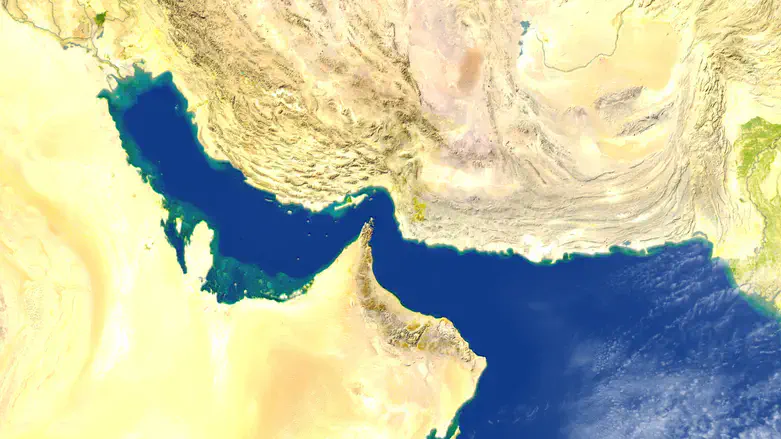
Tensions around the Strait of Hormuz remain high as uncertainty grows over whether Iran will fully reopen the vital shipping lane. Aides warn that Tehran is unlikely to restore normal traffic without major concessions, a step Donald Trump is not expected to take, raising fears of renewed confrontation.
Diplomatic sources say the resulting stalemate could quickly unravel fragile de-escalation efforts. Without an agreement, officials believe the impasse over the strait may trigger a return to active hostilities, given its central role in global energy flows.
On Wednesday, Iran informed mediators it would signficantly restrict maritime traffic through the strait, allowing only about a dozen vessels to pass daily while imposing tolls on transit. The move effectively places one of the world’s most critical oil routes under tight Iranian control.
In parallel, Iran’s navy issued a stark warning to ships waiting nearby, stating that all vessels must obtain prior permission before crossing. According to a recording reviewed by The Wall Street Journal, Iranian forces warned that any ship attempting to pass without authorization “will be destroyed," underscoring the heightened risk in the region.