


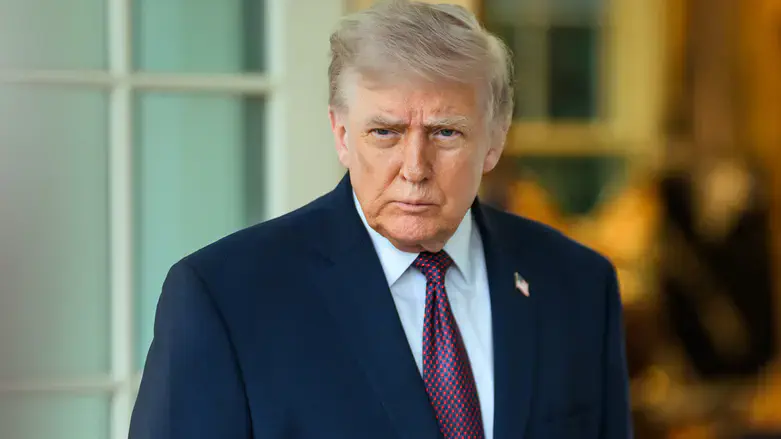
Iran has presented the United States with a sweeping list of demands in response to ongoing negotiations, according to reports from the Lebanese outlet Al Mayadeen, triggering a sharp reaction from Donald Trump, who warned that “Iran will not be laughing anymore."
The reported Iranian proposal includes several major conditions that would pose significant obstacles for the Trump administration. Among the demands are an immediate end to the war, guarantees for a ceasefire in Lebanon - which Tehran reportedly described as a “red line" - the lifting of all American sanctions, the release of frozen Iranian assets, and unrestricted Iranian oil exports. The most dramatic demand, according to the report, is Iranian control over the Strait of Hormuz.
At the same time, sources quoted by The New York Times said that despite the escalating rhetoric, both Washington and Tehran are considering a temporary interim arrangement. Under the reported framework, the current ceasefire would be extended by 30 days, during which Iran would suspend its blockade of the Strait of Hormuz while intensive negotiations toward a broader agreement continue.
The contacts between the two sides are reportedly being conducted in writing, with Pakistan serving as a mediator.
However, The Wall Street Journal reported that major disagreements remain, particularly regarding Iran’s enriched uranium stockpiles. According to sources familiar with the talks, Tehran has refused to fully accept the American demand to sharply reduce its enriched uranium reserves.
The report said Iran has proposed diluting part of its enriched uranium stockpile while transferring the remainder to a third country. Tehran is also demanding guarantees that the uranium would be returned if negotiations collapse or if the United States withdraws from the agreement at a later stage.
Saudi network Al Arabiya similarly reported that Iran linked the future of its enriched uranium to the success of the negotiations. According to the report, the uranium would be moved outside Iran only if a final agreement is reached.
Sources cited by Al Arabiya said transferring the uranium abroad would require time and confidence-building measures, and that sending the material to a country other than the United States is considered highly likely.
At the same time, the reports stressed that Iran has not agreed to dismantle any of its nuclear facilities. Instead, Tehran is reportedly willing to discuss expanded oversight by the International Atomic Energy Agency over its existing nuclear infrastructure.
Al Arabiya also reported that Iranian officials demanded an end to the war and guarantees of continued calm in exchange for reopening the Strait of Hormuz. According to the Saudi report, negotiators believe there is a significant opportunity to reach a memorandum of understanding that would both end the conflict and reopen the strategic waterway. Talks between the sides are said to be ongoing, with growing assessments that a breakthrough may be possible.