
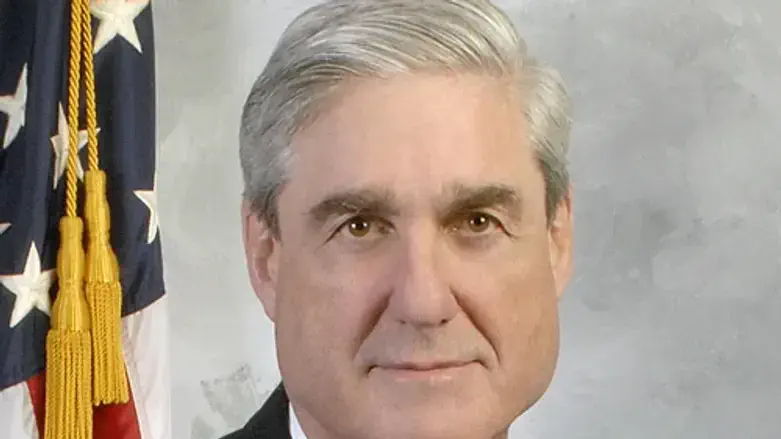
Robert Mueller, the former FBI director who led the investigation into Russia’s interference in the 2016 US election and contacts with Donald Trump’s campaign, has died at age 81.
Mueller’s former law firm, WilmerHale, confirmed his passing on Saturday. Media reports did not cite a cause of death, but The New York Times reported last year that Mueller had Parkinson’s disease.
Mueller headed the FBI after the September 11 attacks and retired in 2013 after 12 years in the role. In 2017 he was appointed special counsel to oversee the Russia investigation following Trump’s dismissal of FBI Director James Comey.
Mueller’s 22‑month probe resulted in indictments against 34 individuals, including Trump associates, Russian intelligence officers and three Russian companies, along with multiple guilty pleas and convictions. However, he did not pursue criminal charges against Trump, concluding there was “insufficient evidence" to implicate the Trump campaign in a “broader conspiracy" of coordination with Russia during the 2016 elections.
Nevertheless, Trump reacted to Mueller’s death by writing on Truth Social: “Good, I'm glad he's dead. He can no longer hurt innocent people!"
Mueller’s 448‑page 2019 report detailed what he and US intelligence agencies described as a sweeping Russian campaign of hacking and propaganda aimed at sowing discord, harming Hillary Clinton and aiding Trump. Russia denied interfering.
“First, our investigation found that the Russian government interfered in our election in sweeping and systematic fashion," Mueller told Congress in 2019.
“Second, the investigation did not establish that members of the Trump campaign conspired with the Russian government in its election interference activities… Rather, we focused on whether the evidence was sufficient to charge any member of the campaign with taking part in a criminal conspiracy. It was not," he said.
On the question of obstruction of justice, Mueller examined Trump’s attempts to fire the special counsel, limit the investigation and prevent disclosure of a 2016 Trump Tower meeting between campaign officials and Russians. While he emphasized that he did not exonerate the president, he said at the time, “Based on Justice Department policy and principles of fairness, we decided we would not make a determination as to whether the president committed a crime."