
Dr. Rakefet Ofek Almog, head of the Department of Materials Engineering at Azrieli College of Engineering in Jerusalem, spoke with Arutz Sheva-Israel National News about the challenge of protecting sensitive facilities in Israel that store hazardous materials-some located close to or within densely populated areas.
“The real danger isn’t just the missile itself," says Dr. Ofek Almog. “It’s the material it hits. When a missile strikes an industrial facility or storage site, the threat often comes from gas leaks, fires, or uncontrolled chemical reactions. In many cases, these secondary effects are far more dangerous than the impact itself."
The risk comes from the potential spread of hazardous materials beyond the point of impact. While a missile strike may last only minutes, the resulting hazards can persist for much longer. Addressing this begins at the national level. Israel needs to map hazardous material facilities, especially those near residential areas. Such mapping allows authorities to implement proper protections and respond quickly and effectively in an emergency. According to Dr. Ofek Almog, Israel’s mapping is already in place and of good quality, though it is not her direct area of expertise.
Beyond mapping, she emphasizes the need to design infrastructure using more resistant materials, such as durable steel, anti-corrosion treatments, and leak-proof compounds. These measures are complemented by multiple layers of protection, including double-walled containers, buffer zones, and reinforced structures that shield sensitive equipment. Together, these precautions help contain potential damage if an incident occurs.
Regular inspections are also critical. “Facilities must be monitored to catch faults from aging, corrosion, or material fatigue," she explains. “Inspections should be rigorous, not just rely on the original construction quality. Periodic testing and monitoring can detect problems before they escalate, ensuring the facility can withstand a potential missile strike."
Dr. Ofek Almog also highlights the role of ordinary citizens. “People should be aware of their surroundings, especially near flammable materials, gas stations, or industrial zones. Some malls are located in industrial areas. Know if there’s a nearby gas storage facility, pay attention to signs and emergency exits, and follow simple safety rules like turning off your engine during refueling," she advises, stressing that there is no need for panic.
“In an emergency, move away from the danger and do not approach, even if tempted to take photos or post online. Smoke, strong odors, or gas clouds are warning signs-staying to observe or film is dangerous. Keep clear for emergency responders and follow official instructions. The Home Front Command and local authorities are the ultimate authority in such situations. Do not rely on rumors."
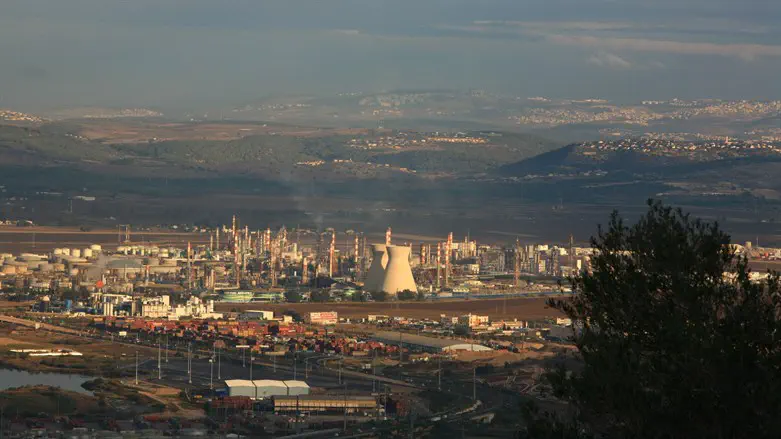
Dr. Ofek Almog reassures that there is no need for hysteria: safety systems are layered, and most facilities are built and maintained to very strict standards, including monitoring and protective systems. This applies not only to gas stations and familiar facilities but also to large sites in Haifa, Hadera, and elsewhere. “For most citizens, following Home Front Command instructions, staying aware, and remaining within protected areas is sufficient. In the vast majority of cases, no additional action is needed."