A new study from Bar-Ilan University is shedding light on a long-overlooked social group in archaeology: the elderly.
While research on women and children has flourished in recent decades, older adults have remained largely invisible, their lives reconstructed primarily through skeletal remains. Now, Bar-Ilan archaeologists present a new and innovative study, identifying the elderly through household artifacts, offering a fresh window into their daily lives and social roles.
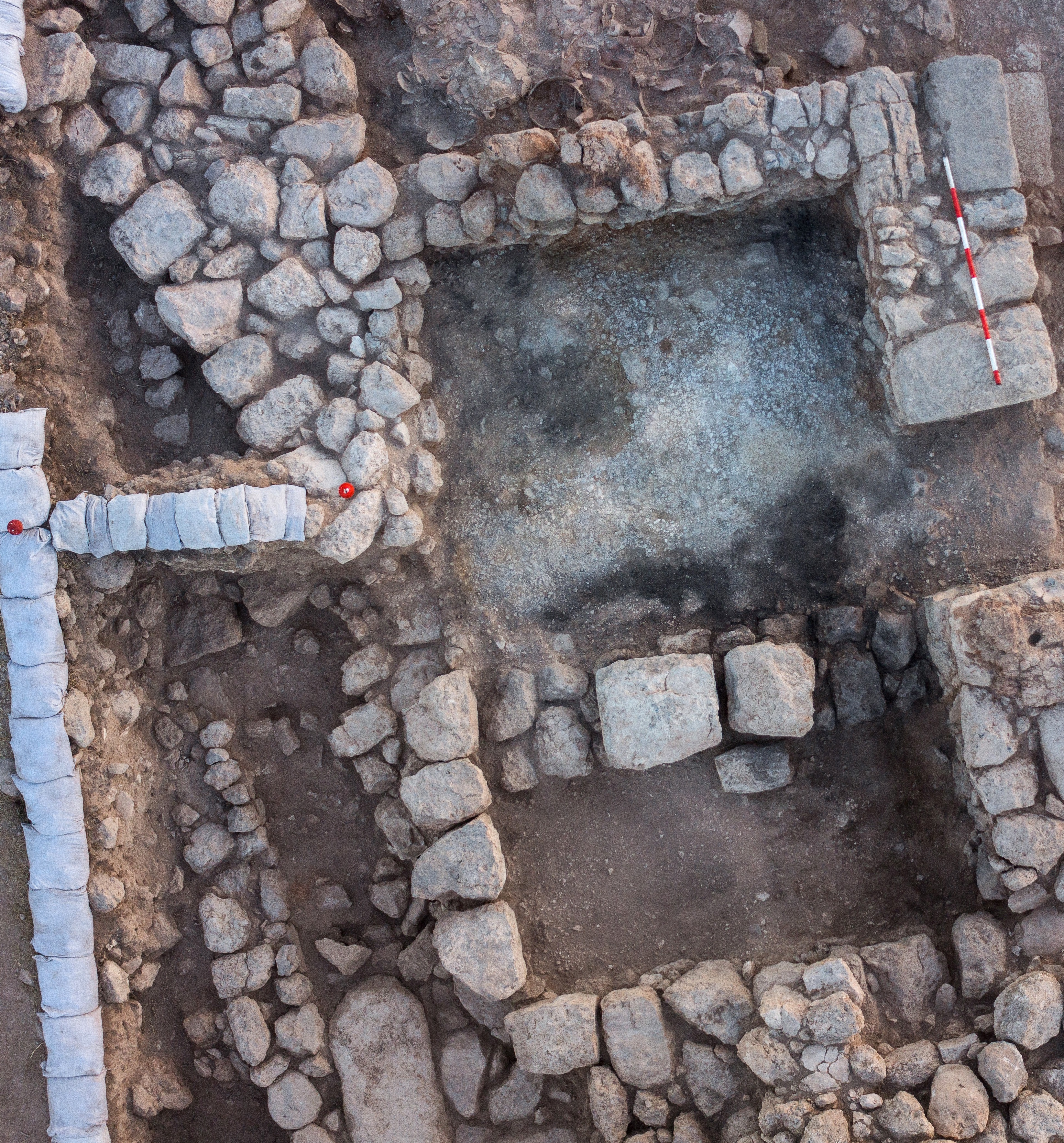
The study, now accessible as FirstView in the Cambridge Archaeological Journal, focuses on Building 101 at Tel ʿEton, located in the southeastern Shephelah, Israel. This large, high-quality residence, with its multiple rooms spanning the building’s two floors, was destroyed during an Assyrian military campaign in the late 8th century BCE, leaving hundreds of pottery vessels and additional artifacts sealed within the destruction debris, and providing an exceptionally detailed case study for understanding domestic life.
Using an innovative approach that combined analysis of artifacts, architectural features, activity areas, and comparative ethnographic perspectives on aging and household life, Prof. Avi Faust and his team reconstructed the lived experiences and social roles of older adults within the house.
The building was the home of an extended family of some three generations. Room B, likely occupied by the household’s senior couple, had several unique qualities. It was the largest room in the building, the only room on the ground floor that was used for living and sleeping (rather than specialized activities like storage, cooking, etc.).
The room’s location within the building is important for a number of reasons. First, the strategic location, opposite the entrance, enabled the residents to watch the entire courtyard and the entrances to the other rooms. Second, the fact that this was the only bedroom on the ground floor reflects the difficulty the elderly would have had climbing a ladder several times a day to reach the other sleeping quarters located on the second floor.
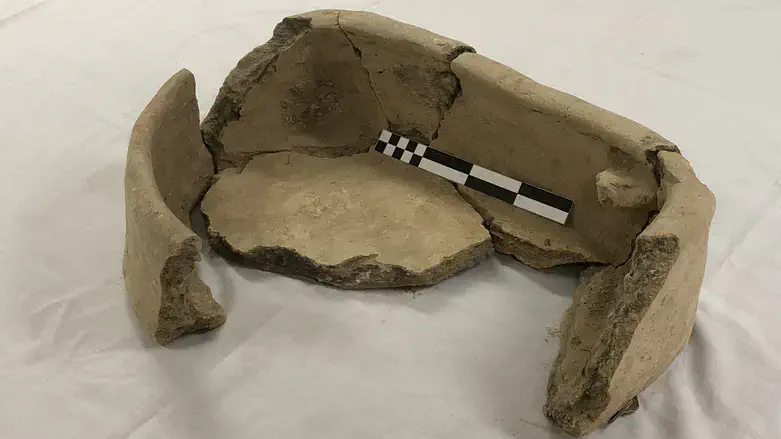
The room contained various special finds, including a unique footbath, associated with entertaining important guests, and burnt cedar, perhaps the remains of an impressive chair. The patriarch, sitting on a large chair, could have watched comings and goings and entertained guests, whereas the matriarch could have overseen all household activities. Adjacent spaces, including a room for food preparation with a large loom, and a partially enclosed courtyard, were associated with the elder matriarch’s activities, such as childcare and weaving, highlighting her central role in daily domestic management.
The study advances beyond traditional methods of identifying the elderly, which rely almost exclusively on skeletal analysis in cemeteries. These conventional approaches are often limited, incomplete, or biased, especially in Iron Age Israel, where burial evidence is sparse and fragmentary. By contrast, this material-based approach exposes the elders within the domestic space, revealing their social status, influence, and integration within family and household structures, moving beyond chronological age to capture lived experience.
"For years, the elderly have remained largely invisible in archaeological research," said Prof. Avi Faust of the Department of General History at Bar-Ilan University, director of excavations at Tel ʿEton and author of the study. "By analyzing household artifacts rather than skeletal remains, we have a more effective way to identify elders and uncover their roles and influence within the family, a perspective archaeology has long overlooked."
According to Faust, the findings show that the elderly were not merely passive members of the household. Rather, they actively participated in managing resources, supervising domestic work, and maintaining family cohesion. The research underscores the potential of household archaeology to illuminate aspects of daily life that skeletal or textual data alone cannot capture.
This study marks a significant step in the archaeology of old age, opening a new avenue for identifying and understanding elders in other ancient societies. As Prof. Faust notes, "By meticulously examining small finds within domestic spaces, interpreting them in light of textual evidence and ethnographic data about the life of the elderly, we can give them the visibility they deserve in reconstructing past societies."