

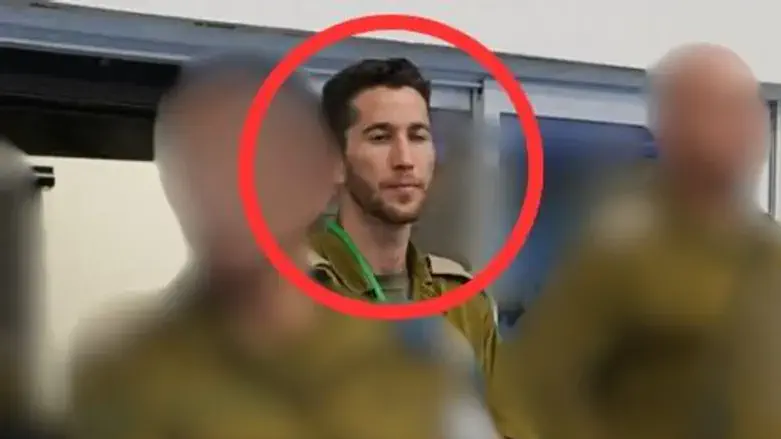
The Supreme Court has authorized the publication of the identity of the individual described as an “imposter officer" who infiltrated military command centers at the outset of the war and gathered classified information that was later exposed to unauthorized parties. The individual is attorney Asaf Shmuelovitz.
The publication followed an appeal in the case, calling for review of the ruling by the Beersheba District Court that allowed his name to be made public.
According to the indictment, Shmuelovitz impersonated a reserve officer and gained access to headquarters and sensitive command centers within the Southern Command. He has claimed that his actions were motivated by a desire to assist during the early days of the war.
Following the partial lifting of the publication ban, Shmuelovitz’s family issued a statement criticizing the decision. “Once part of the gag order was lifted, the entire narrative collapsed," the family said. “At most, Asaf committed a classified-information offense that should have been handled through military disciplinary proceedings. This is a clear case of selective enforcement."
The family further argued that Shmuelovitz acted within a role approved by his regular-duty commander and that any transfer of classified information occurred either through statements made by others during conversations or involved vague and confused material. They added that the individuals he spoke with held higher security clearances, either within the military or other security frameworks.
The family also emphasized that, with the state’s consent, a medical assessment determined Shmuelovitz was unfit at the time of the events. “Despite this, Asaf chose to continue with the trial in order to see the process through to the end," the statement said. “He is confident that he will be acquitted and that it will be proven beyond doubt that the charges against him were exaggerated and unfounded."
Deputy Minister Almog Cohen, who has been involved in the case and fought against Hamas during the October 7th massacre, sharply criticized the delay in the court’s decision. “It took the Supreme Court ‘only’ 838 days to rule on whether the name of the accused in the Southern Command espionage case - Asaf Shmuelovitz - could be published," Cohen said.
Cohen alleged that Shmuelovitz entered the Southern Command headquarters on October 7 with a cellphone and documented highly sensitive material from the command bunker. “He is only the tip of the iceberg," Cohen added. “I will continue to fight to expose the full picture - who directed him, what his intentions were, and why the name Yair Golan appeared in his notebook and why they spoke on the phone. The people of Israel deserve to know who abandoned them, and all those responsible must be brought to justice."