
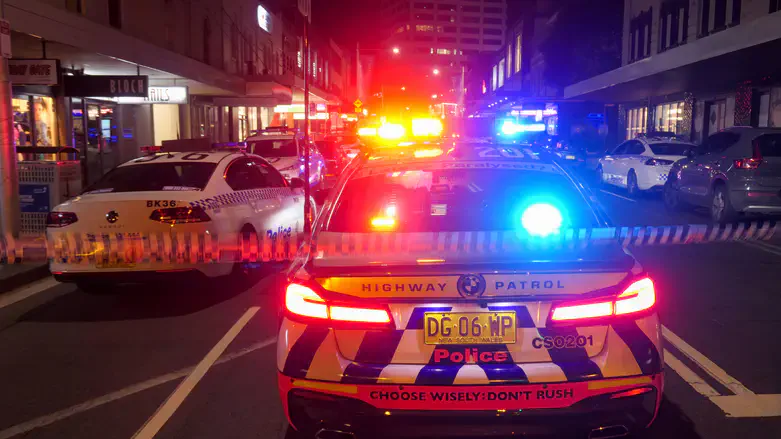
On Monday, NSW lawmakers were recalled to parliament to discuss a series of reforms prompted by the recent Bondi shootings, in which 15 people lost their lives. The proposals include outlawing the chant "globalise the intifada" at protests, capping the number of guns an individual can own, and expanding police authority over demonstrations.
NSW Premier Chris Minns defended the measures, acknowledging that some might view them as excessive but insisting they are essential for public safety. He described the phrase "globalise the intifada" - a term originating from Palestinian uprisings against Israeli occupation - as a call for violence not limited to the Middle East but extending to Australia itself, fostering division and unrest.
The new rules would empower police to limit protests near places of worship, impose harsher penalties for violations, and allow officers to remove face coverings from demonstrators suspected of even minor offenses. Previously, such actions were restricted to more serious suspicions.
Timothy Roberts, president of the NSW Council for Civil Liberties, condemned the changes as undermining democratic principles. He argued that they contradict a recent state supreme court ruling on protest rights and that targeting religious sites ignores their political influence in Australia. "These laws are an affront to our right to assemble," Roberts said, warning that suppressing voices could deepen divisions rather than promote healing after the tragedy.
On firearms, the reforms would restrict most license holders to four guns, with exemptions allowing up to ten for farmers and competitive shooters. Licenses would need renewal every two years instead of five, and certain firearm types would face review. One of the Bondi attackers, Sajid Akram, legally owned six guns.
Mark Banasiak of the pro-gun Shooters, Fishers and Farmers Party called the changes unfair, claiming they punish responsible owners while ignoring broader issues like unchecked societal division.
In contrast, Walter Mikac - who lost his family in Australia's 1996 Port Arthur massacre, the nation's worst mass shooting - supported the reforms, saying they address key weaknesses in gun laws and prioritize community protection.
Additional measures target hate speech and symbols, and grant police the power to prohibit protests for up to three months following a terrorist incident.
Josh Lees from the Palestine Action Group labeled the laws "draconian," expressing concern that the Bondi attack might erode Australia's traditions of free speech and safety.
David Ossip, president of the NSW Jewish Board of Deputies, praised the ban on intifada chants and enhanced protest controls as a significant step against hate, while affirming that protests should not include masked threats or symbols of violence.