
Dr. Ron Schleifer, an expert in psychological warfare, analyzes the recent wave of antisemitic terrorism around the world and argues that it is part of a broader strategy aimed at weakening the bond between Israel and the Jewish diaspora, as well as between Jews and the countries they live in - ultimately leading to Israel’s total isolation.
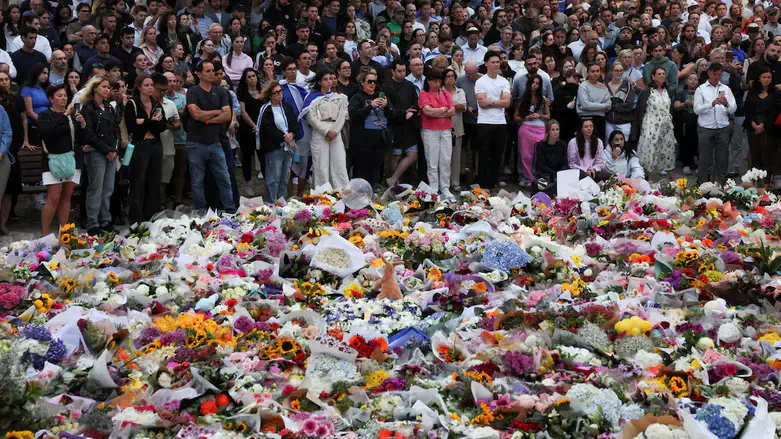
Dr. Schleifer views the massacre in Australia not only as an act of murder but also as an intentional effort to instill fear in Jewish communities abroad and thereby erode their support for Israel.
"Since the Vietnam War, we have learned how small organizations and movements can defeat powerful superpowers or far stronger nations," Dr. Schleifer explains. "It begins with psychological warfare - non-violent acts - then escalates to terrorism, targeting civilians randomly, followed by guerrilla warfare targeting state representatives, and finally full-scale warfare leading to victory."
He notes that “Vietnam was a small rural country that managed to defeat the world’s strongest superpower,” and cites the principle of terrorism: “You kill one to scare a thousand - because no one knows where or when the next attack will happen, leading to public unrest and ultimately regime change.”
Referring to current times, Dr. Schleifer states: “What we are seeing now is a progression beyond the psychological warfare phase, which began long before October 7th. This campaign targets both Israel and the global Jewish community. It’s an antisemitic campaign led by the Red-Green coalition - elements that ostensibly oppose each other in interest, such as Sunni and Shia Muslims - but unite in their goal to defeat Israel, Jewish ideology, and the Western world that supports it. Alongside them are Russia and China, which, despite conflicting worldviews - atheist China and Christian Orthodox Russia - are aligned strategically. Since the West supports Israel, attacking Israel becomes a way to strike at the West. That’s why they’ve adopted the PLO narrative and antisemitism.”
According to Dr. Schleifer, the current process follows the revolutionary warfare model: “It escalates to acts of terror targeting Jews. Two key principles guide this strategy: first, driving a wedge - divide and conquer - by fragmenting the enemy and turning its parts against each other. Second, turning an asset into a liability - persuading the target audience that continued support for a person or idea brings harm, not benefit.”
In the case of Israel, Schleifer explains: “If you want to defeat Israel - a small state with eight million Jews facing 200 million Muslims - you need to target its sources of strength. One of those sources is the Jewish diaspora, which has global presence, economic capabilities, and access to influential networks. Therefore, the goal is to create a rift between Israel and the global Jewish community. Once that is achieved, the next step is to drive a wedge between diaspora Jews and the countries they live in - effectively severing Israel from its international support systems.”
“When Jews are physically attacked in their own communities, even the most Zionist individual can’t help but wonder if it’s happening because of their support for Israel,” says Schleifer. “Some will double down in support, but others may conclude that Israel - its occupation and conflict with the Palestinians - is the reason for their suffering, and therefore abandon their support. A clear example is young Jews in New York who now support Mamdani, whom they believe can end the hostility they face - both psychologically and physically.”
When asked if clearly explaining this framework to diaspora communities could make a difference, Dr. Schleifer is confident: “Yes, it’s both possible and essential. Explaining the broader picture to diaspora Jews can reduce the campaign’s impact. Once you understand the context you're in, it’s much easier to face it. Uncertainty is what shakes people. But once the surrounding forces are made clear - resilience increases.”