
In response to the publication of the IPC food security report on Gaza, the Coordinator of Government Activities in the Territories (COGAT), MG Ghassan Alian, on Friday released a sharp counter-report addressing the biased accusations regarding the humanitarian situation in the Gaza Strip.
The counter-report, prepared following a comprehensive review of the IPC’s claims together with professional bodies, highlights serious factual and methodological gaps, reliance on biased and self-interested sources originating from Hamas, significant inaccuracies, and changes in criteria that undermine the credibility of the report.
"COGAT firmly rejects the claim of famine in the Gaza Strip, and particularly in Gaza City," a statement read. "Previous reports and assessments by the IPC have repeatedly been proven inaccurate and do not reflect the reality on the ground. The report deliberately disregards data that was provided to its authors in a meeting held prior to its publication, and completely overlooks the efforts made in recent weeks to stabilize the humanitarian situation in the Gaza Strip."
"Like previous IPC reports and assessments regarding the humanitarian situation in Gaza, this report ignores the data on aid deliveries published by COGAT, as well as Hamas’ deliberate and cynical exploitation of that aid. The classification of famine relies on unpublished phone surveys, questionable assessments by UNRWA - some of whose employees are Hamas operatives - and local NGOs. All of this is coupled with sweeping speculation and distortions of fact that not only undermine the credibility of the IPC but also reflect the same pattern we have seen since October 7th, when respected institutions and media outlets rushed to amplify falsehoods and fabricated narratives against Israel."
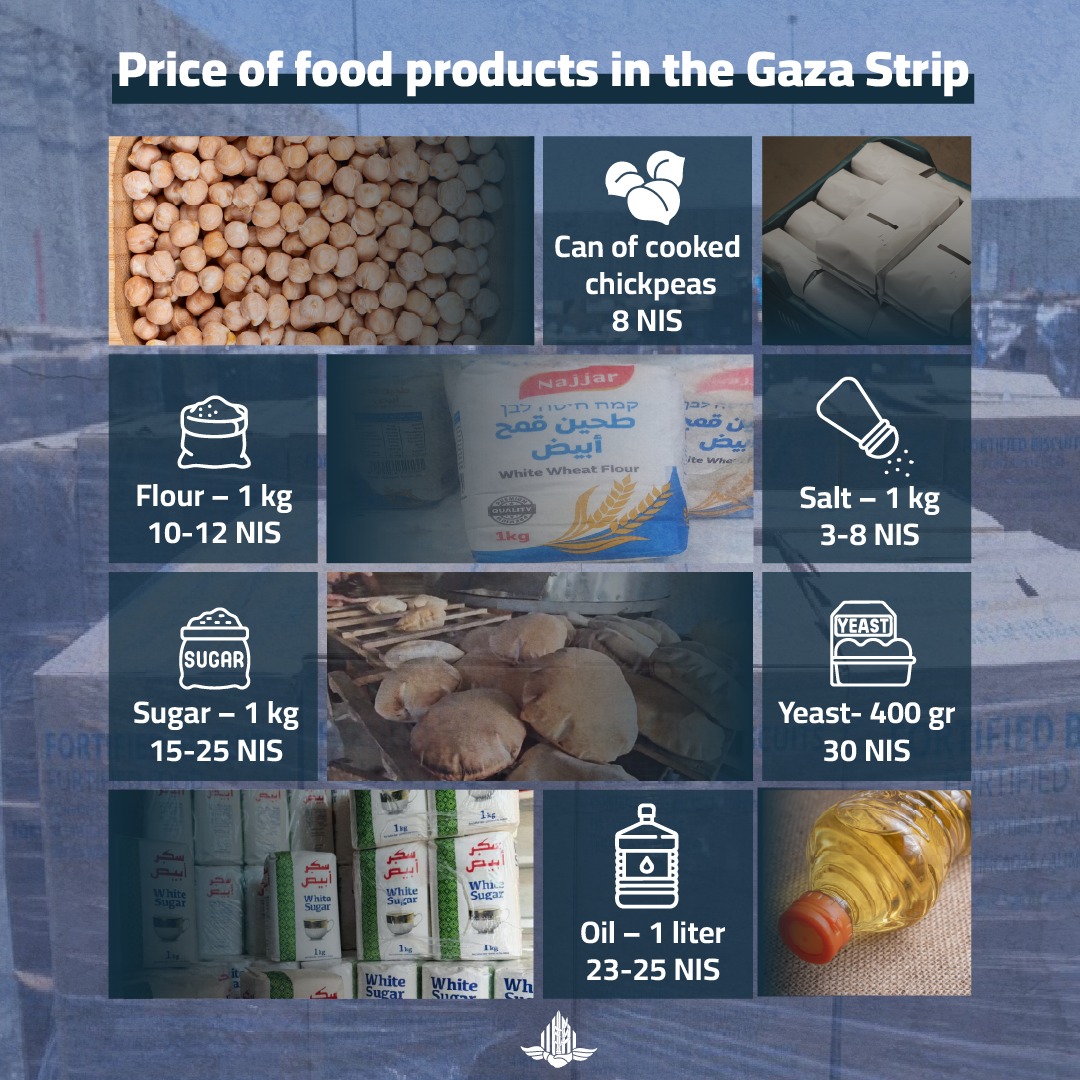
COGAT added: "In recent weeks, significant steps have been taken to expand the amount of aid entering the Gaza Strip, as well as to ease the collection process from the crossings by UN agencies and international organizations. Since May, more than 10,000 aid trucks have entered Gaza through the UN, international organizations, and the private sector - 80% of which carried food. These measures have led to a substantial increase in food availability and accessibility across the Gaza Strip, resulting in a sharp drop in food prices in the markets and a marked improvement in access for the civilian population."
"The blatant disregard by the IPC report for the continuous increase in the supply of food, water, and medical aid during the months it references - and particularly in recent weeks - is unprofessional, undermines the credibility of its conclusions, and raises suspicions of political motives. At the same time, COGAT’s response report warns that such deliberate omission and reliance on partial data creates a false impression for the international community. In doing so, the IPC report is not only biased but also serves Hamas' propaganda campaign and undermines the ability o"f international decision-makers to fully understand the situation in the Gaza Strip.
Coordinator of Government Activities in the Territories (COGAT) MG Ghassan Alian stressed: "The IPC report is based on partial and unreliable sources, many of them affiliated with Hamas, and blatantly ignores the facts and the extensive humanitarian efforts led by the State of Israel and its international partners. Instead of providing a professional, neutral, and responsible assessment, the report adopts a biased approach riddled with severe methodological flaws, thereby undermining its credibility and the trust the international community is able to place in it."
"We expect the international community to act responsibly and not be swept away by false narratives and unfounded propaganda, but rather to examine the complete data and the facts on the ground."