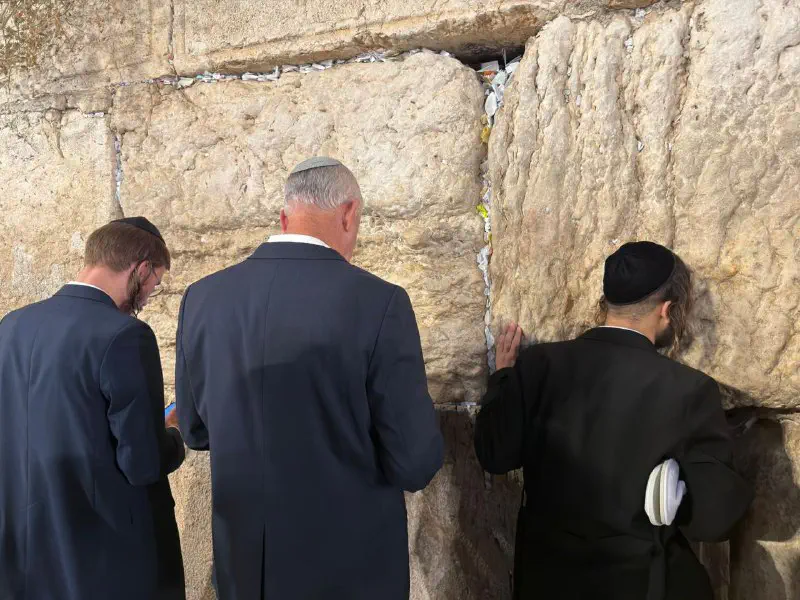
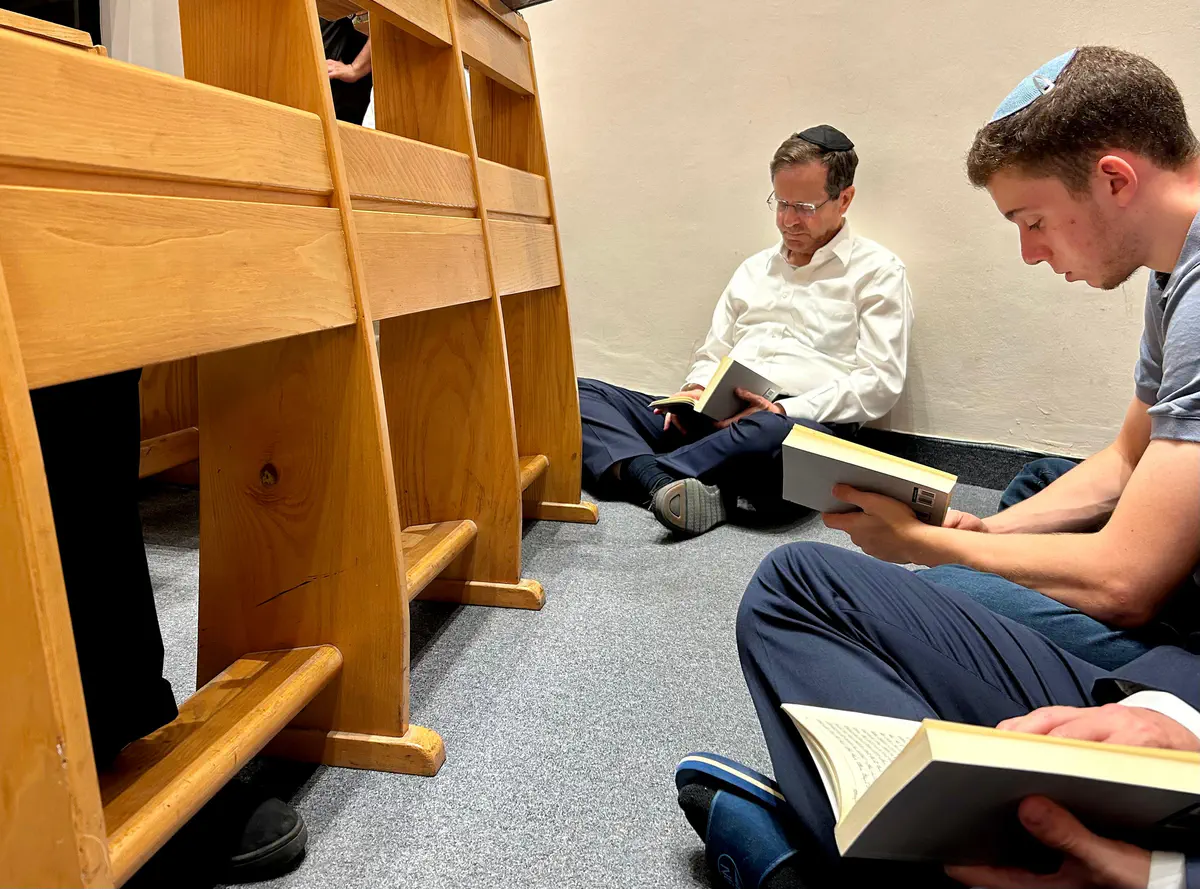
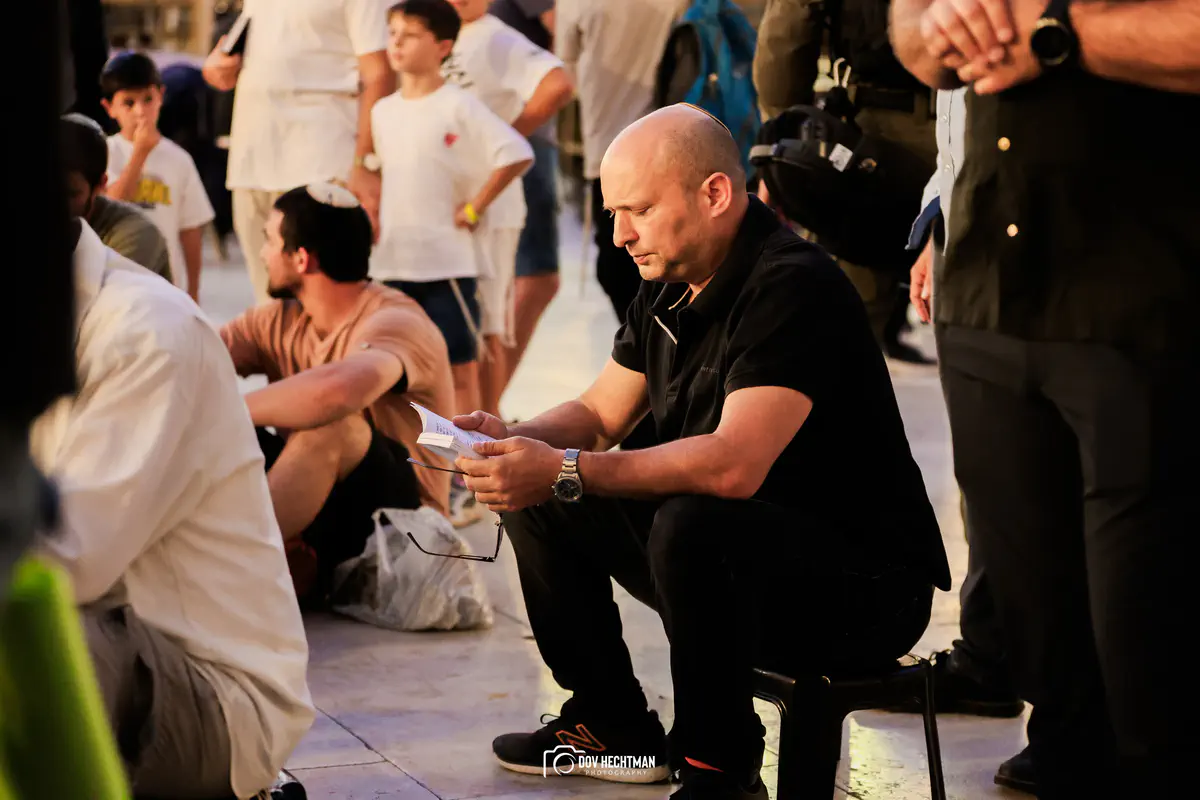
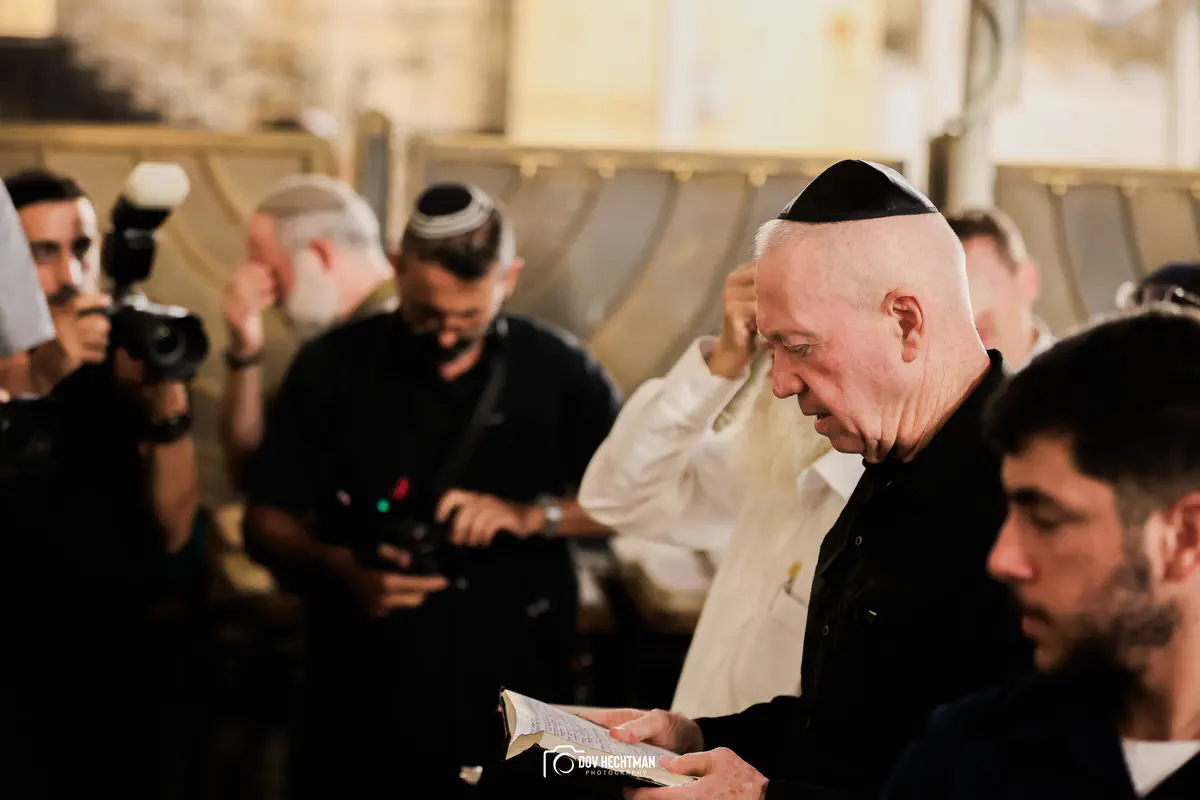
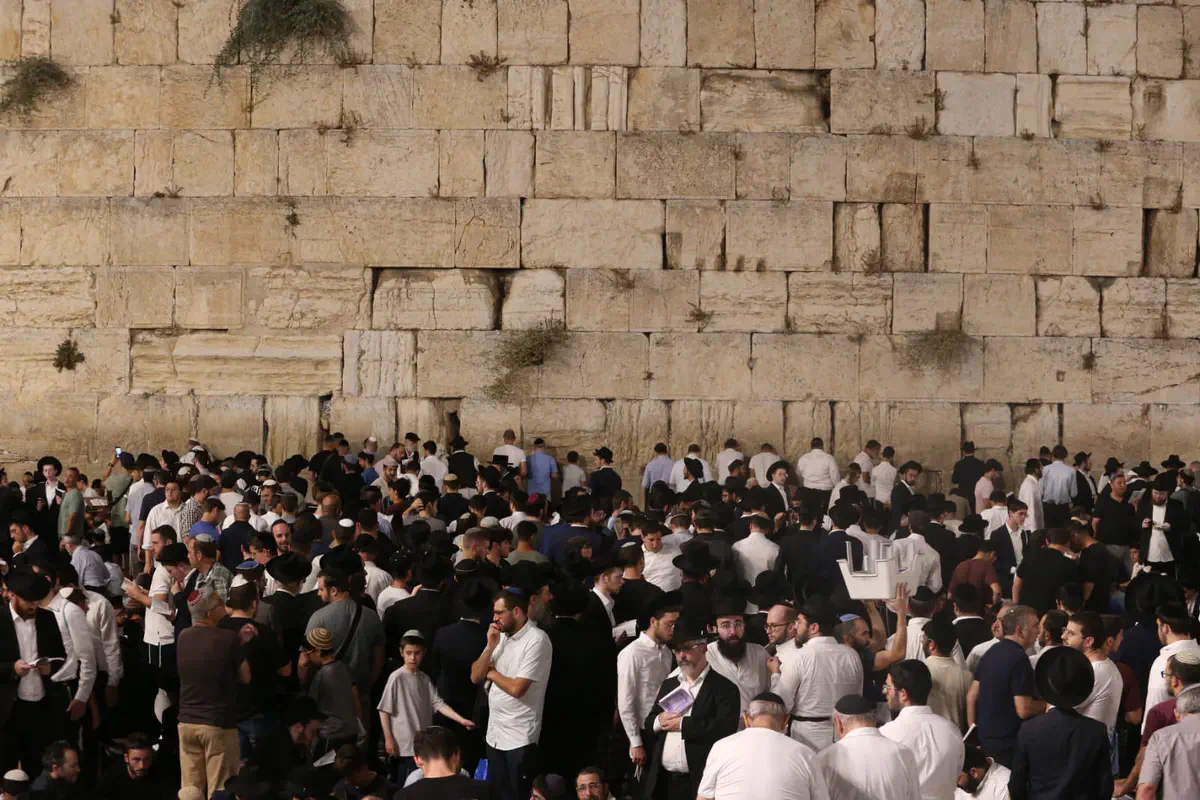
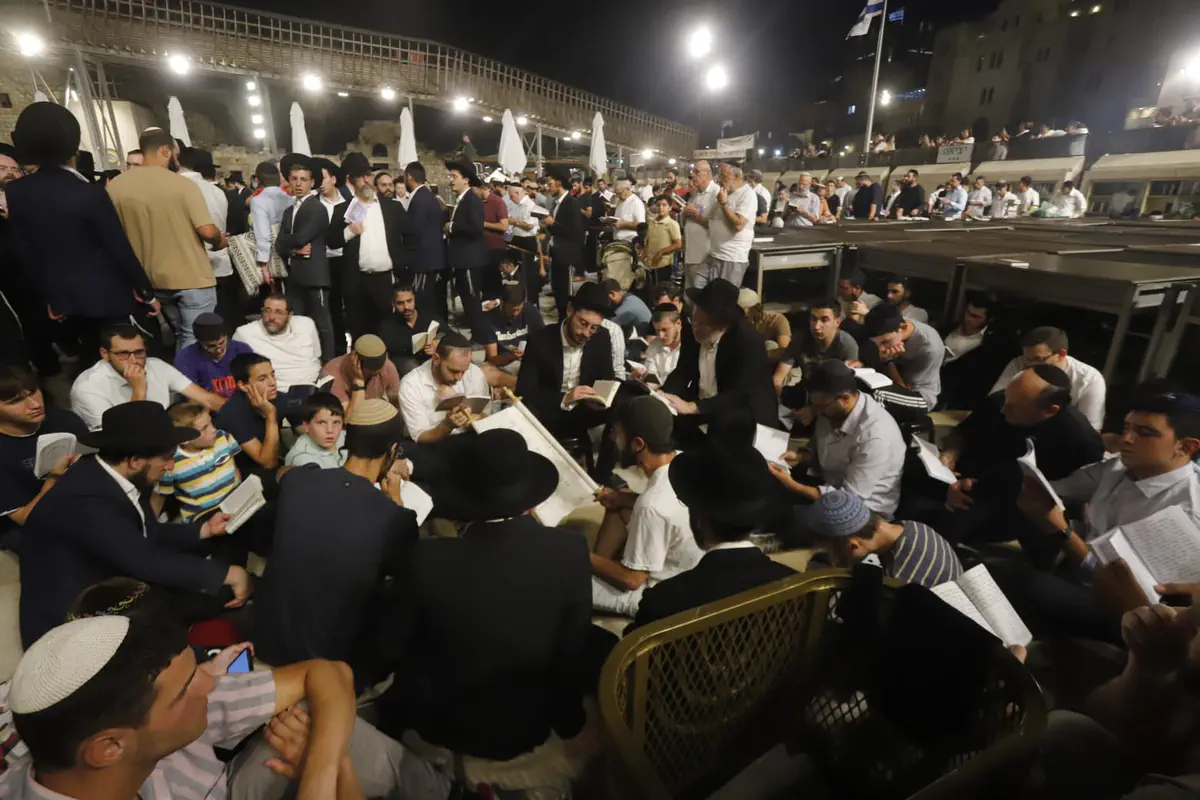
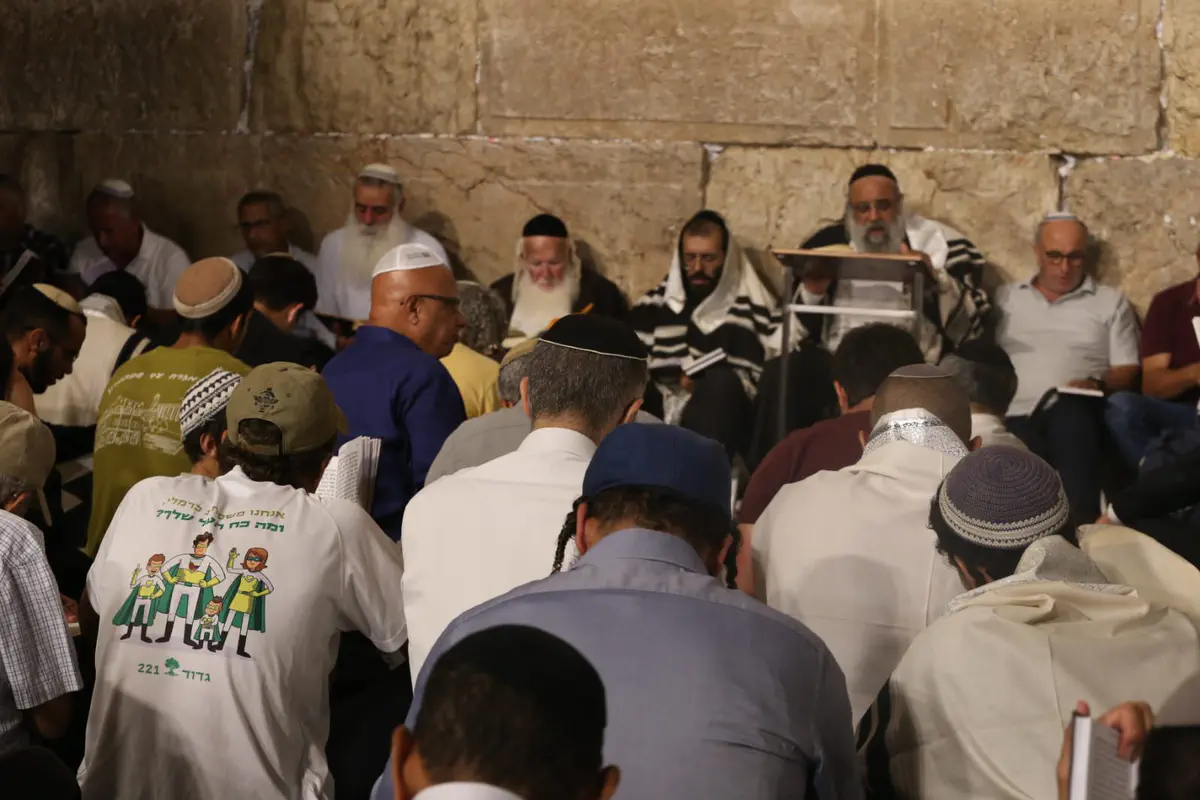
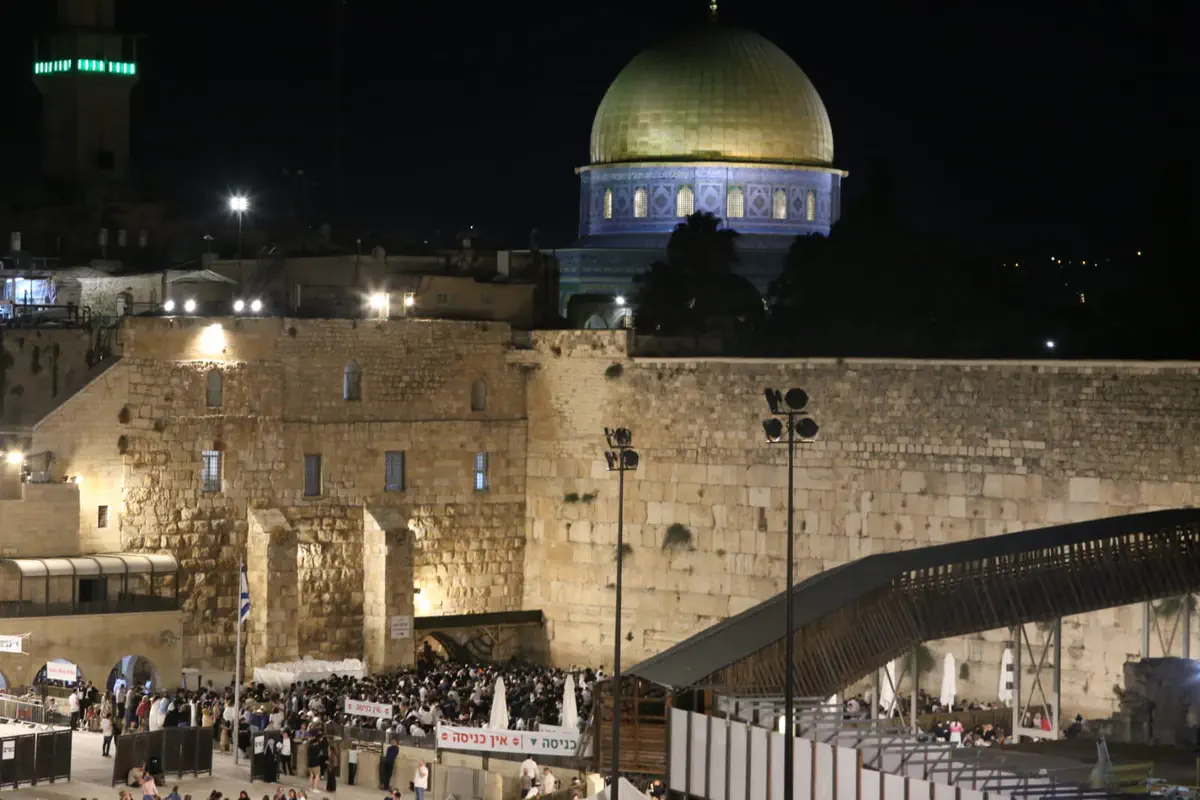
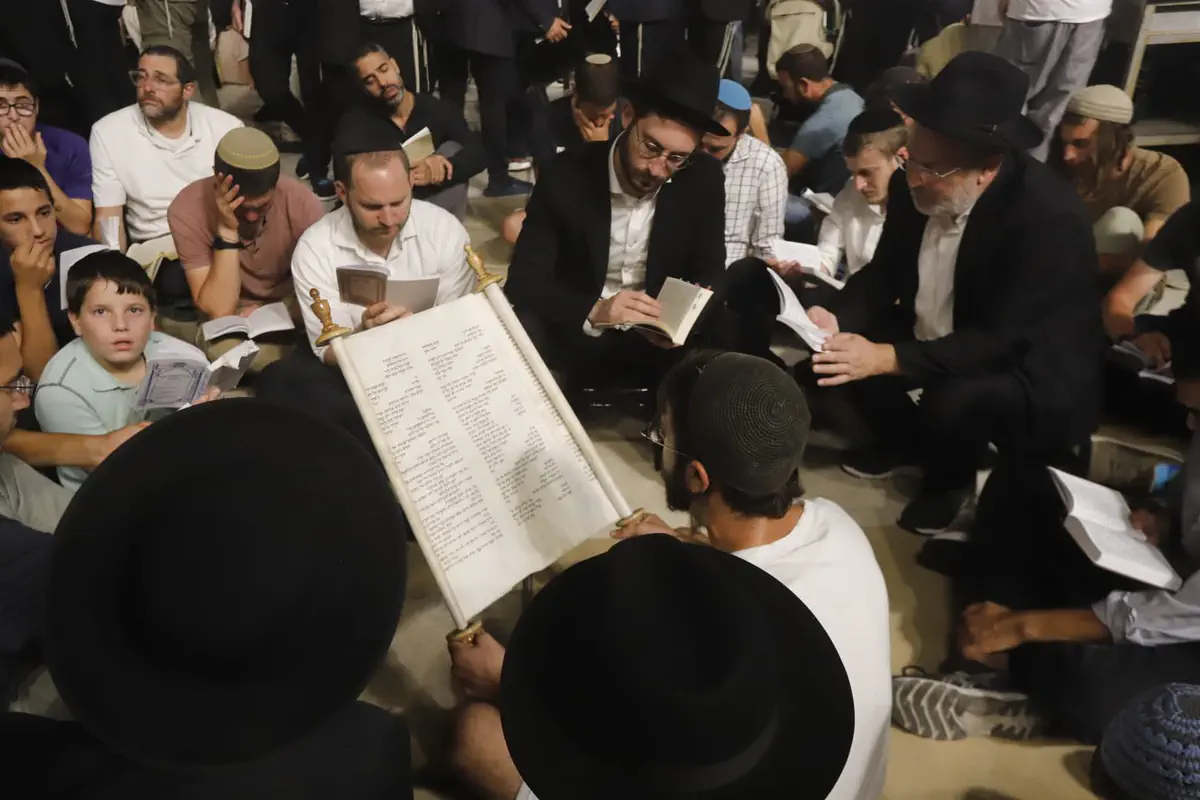
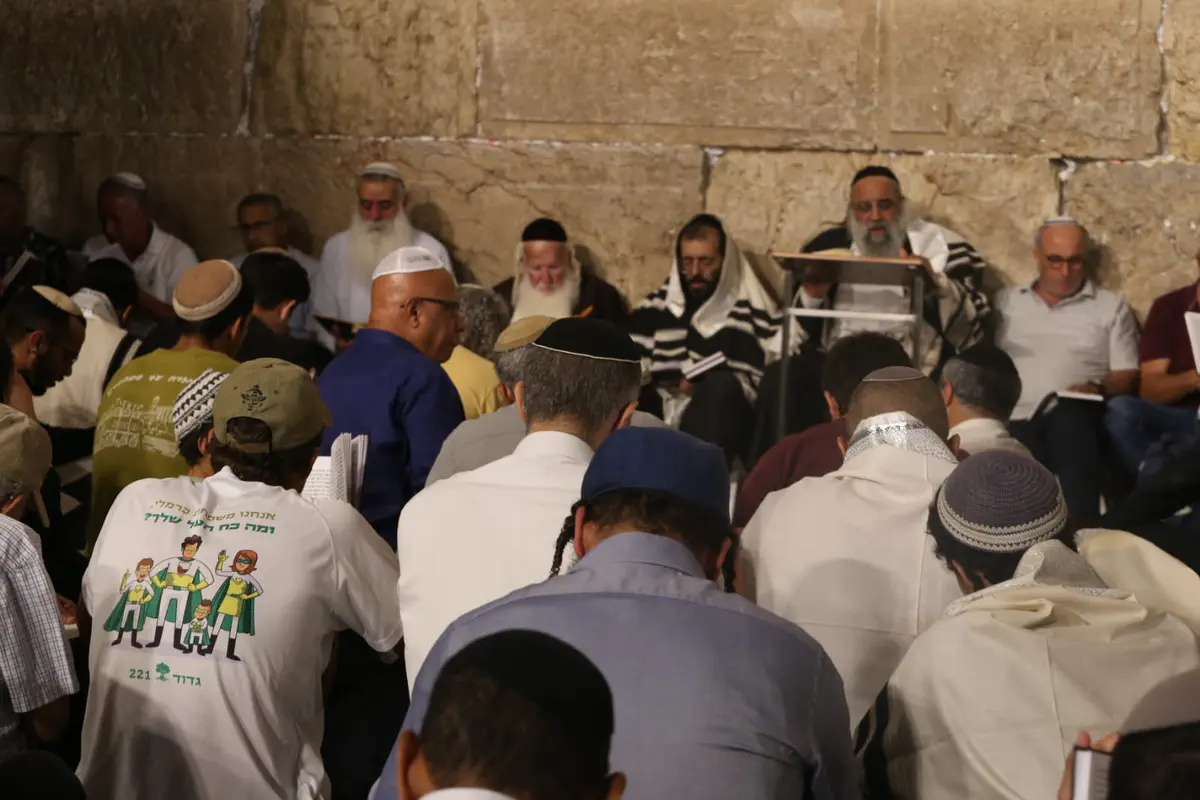
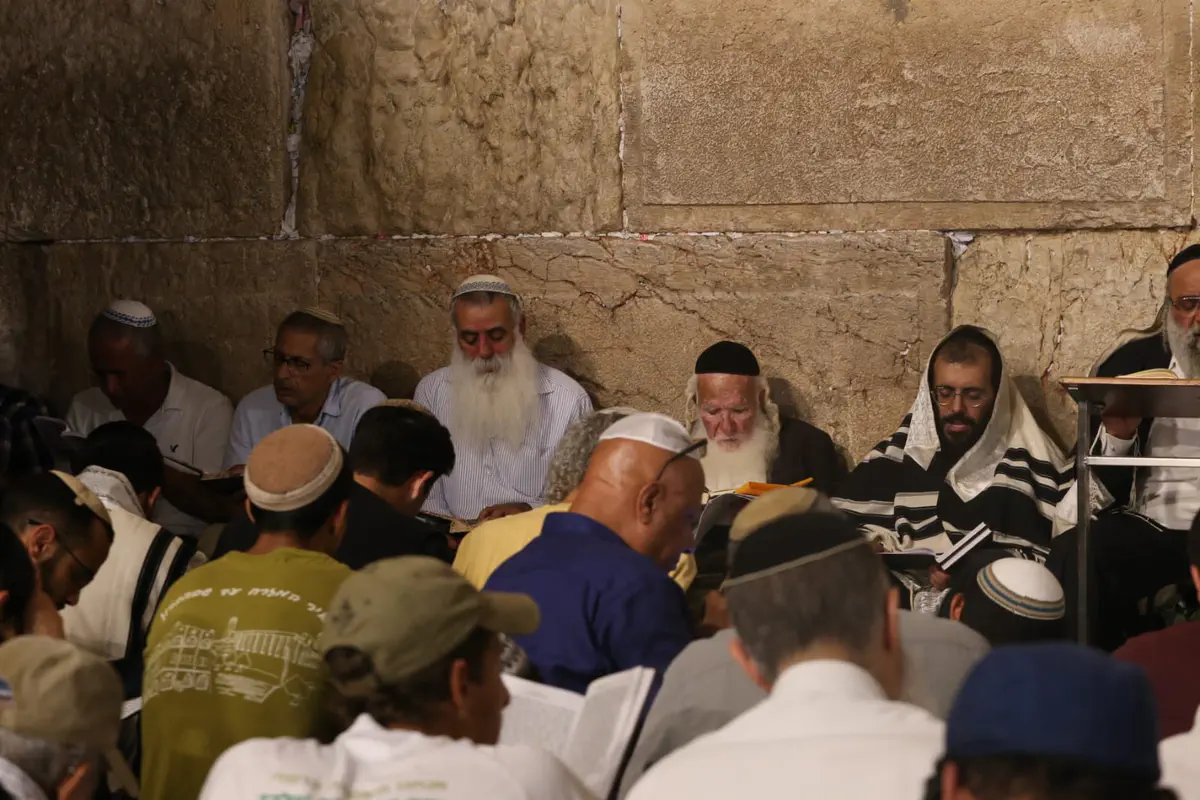
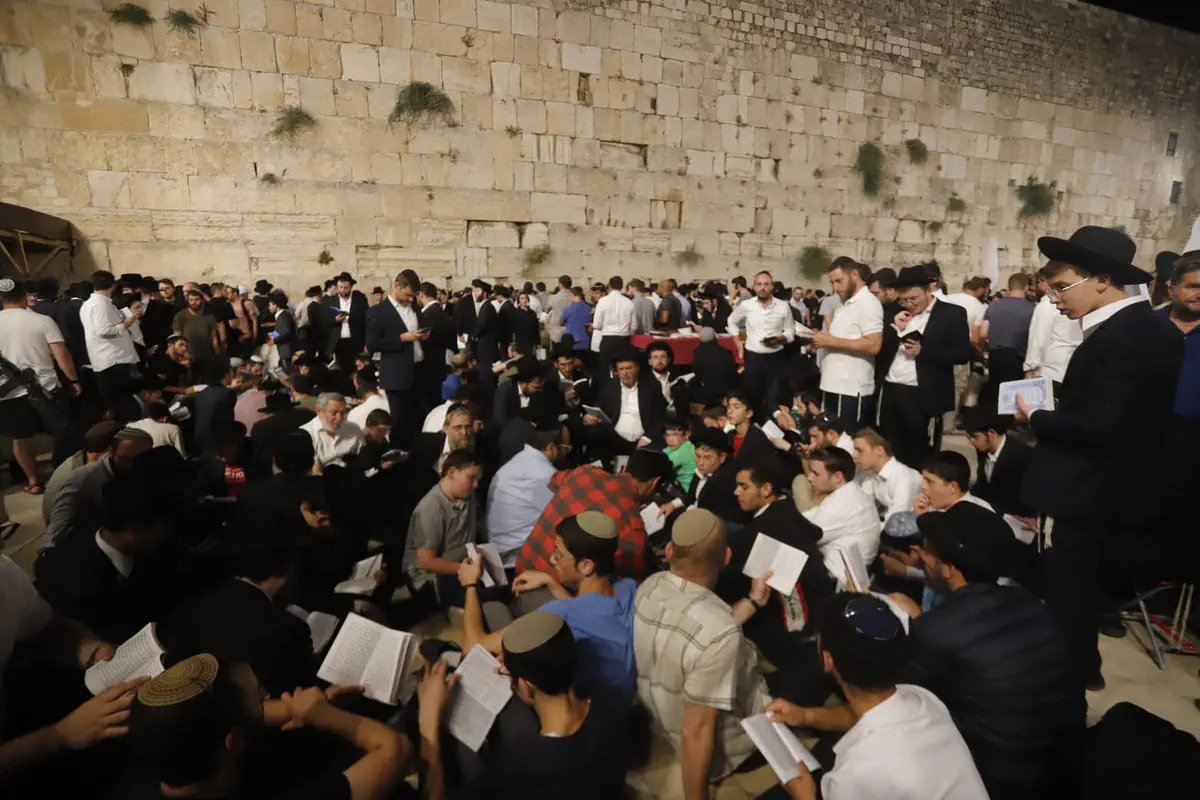
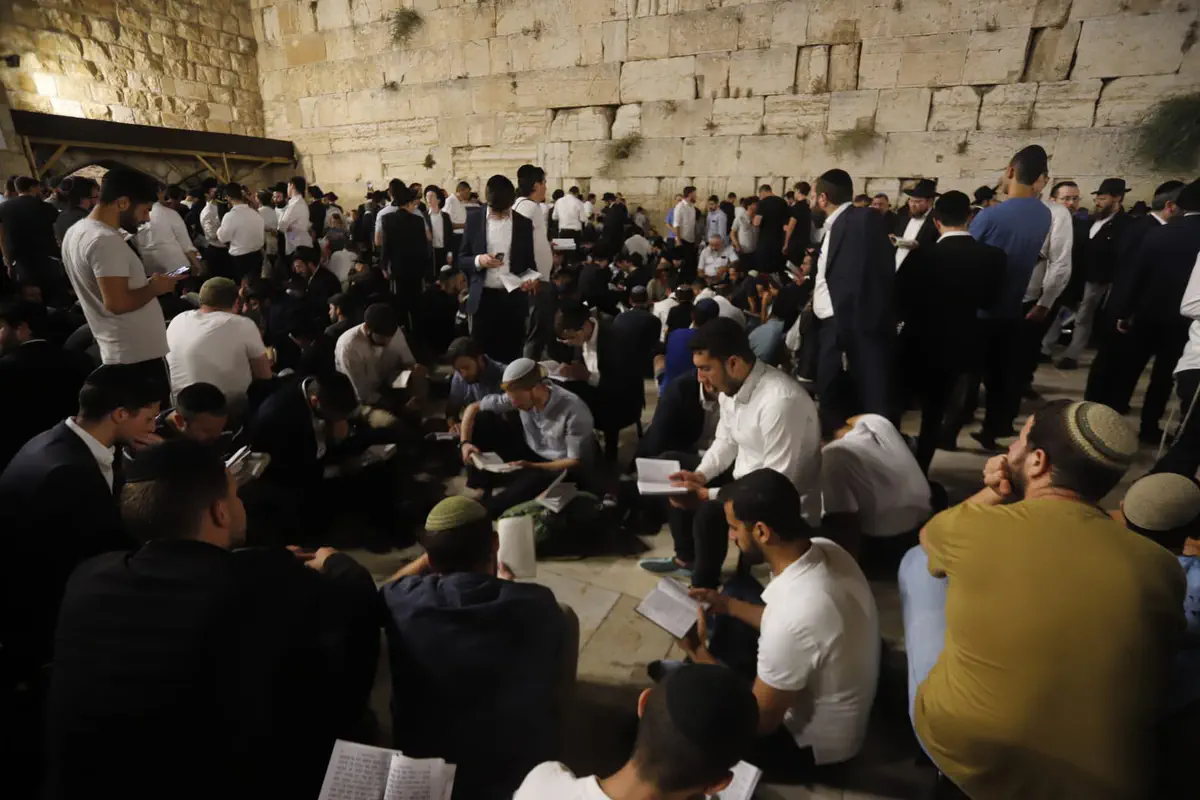
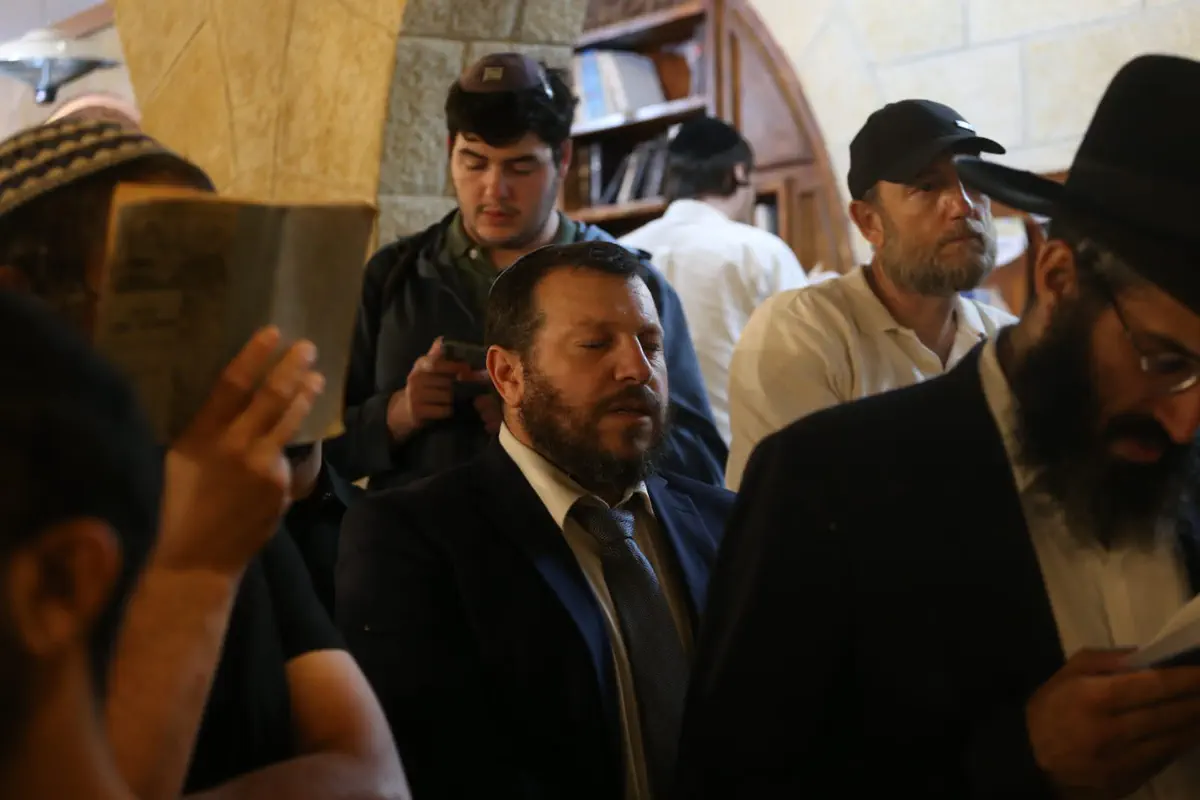
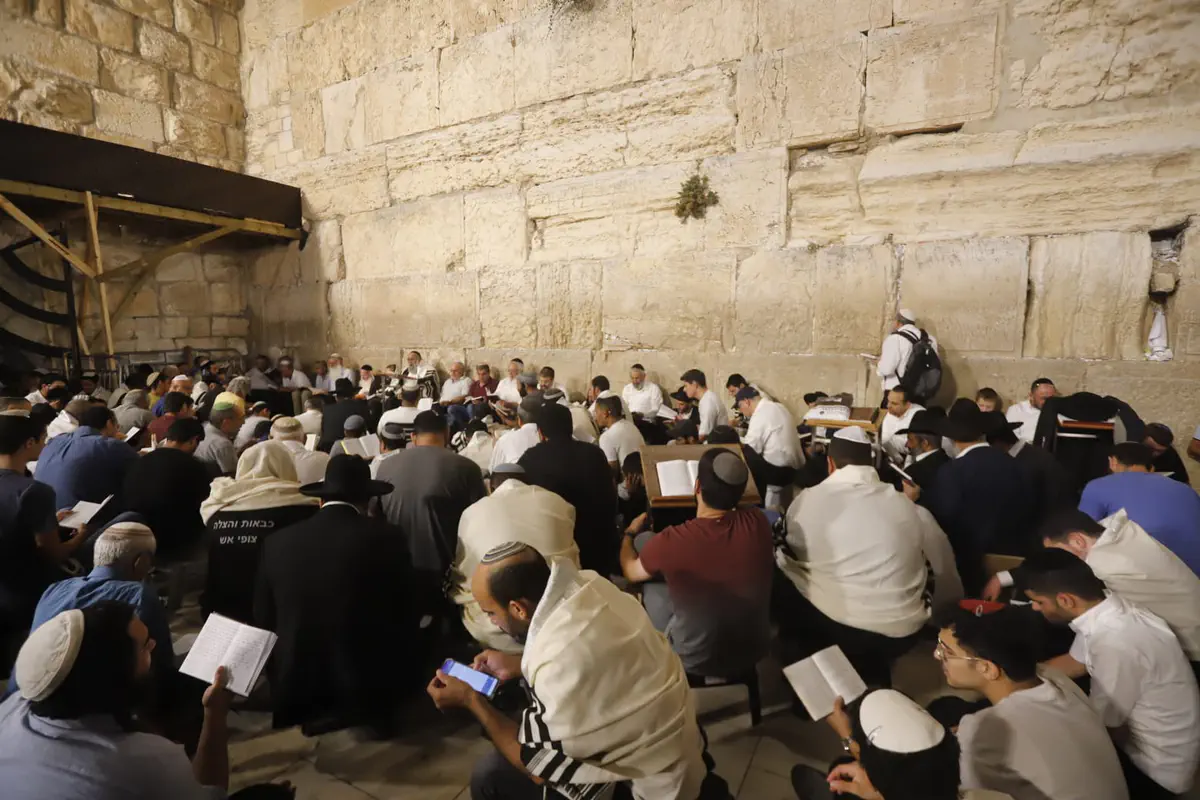
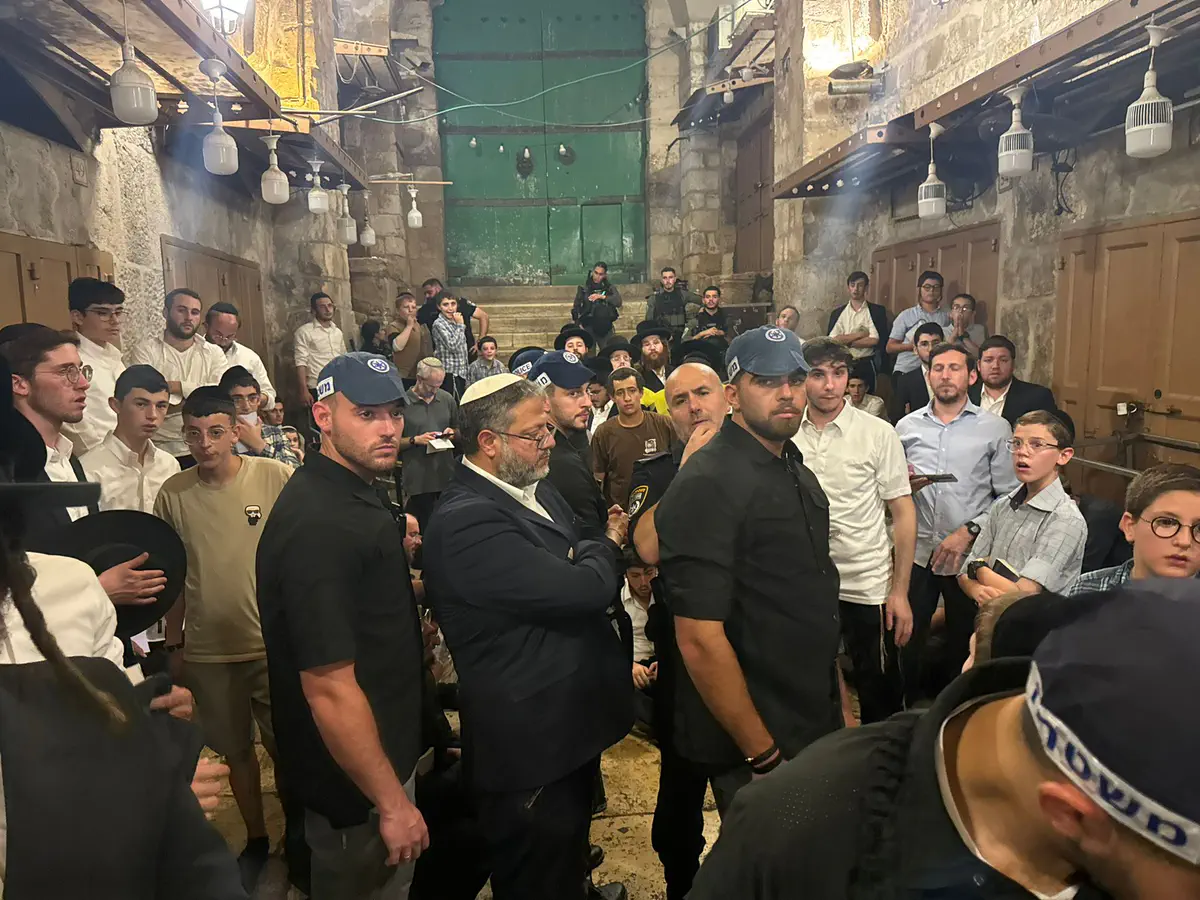
Police officers, Border Police fighters, and volunteers are stationed throughout the Old City of Jerusalem to maintain security as worshippers gather at the Western Wall Plaza at the onset of the Tisha B'Av fast.
The fast of Tisha B'Av commemorates the destruction of both the First and Second Temples, as well as other tragic events in Jewish history, including the fall of the city of Beitar, one of the largest cities in the Land of Israel following the destruction, and the beginning of the expulsion of Jews from Spain.
Due to the severity of the Temple's destruction, the fast of Tisha B'Av is stricter than other fasts. It includes all five prohibitions observed on Yom Kippur: no eating or drinking, no bathing, no anointing with oils or perfumes, no wearing of leather shoes, and no marital relations.
On Tisha B'Av, the Jewish people observe mourning practices similar to those of a person grieving the loss of a close relative. Torah study is also restricted to texts related to the destruction and mourning, such as the prophecies of calamity in the Book of Jeremiah, the Book of Lamentations, aggadic passages related to the Temples' destruction in Tractate Gittin, laws of mourning from the third chapter of Moed Katan, and ethical teachings that inspire repentance. Additionally, sitting on chairs or benches is prohibited until midday.
In many communities, tefillin (phylacteries) are not worn in the morning and are only donned during the afternoon Mincha prayer. Last night, the Book of Lamentations was read aloud, containing the prophet Jeremiah’s lament over the destruction and the suffering of the Jewish survivors. He describes the Temple as "the crown of our head" and laments, "The crown has fallen from our head — woe to us, for we have sinned."
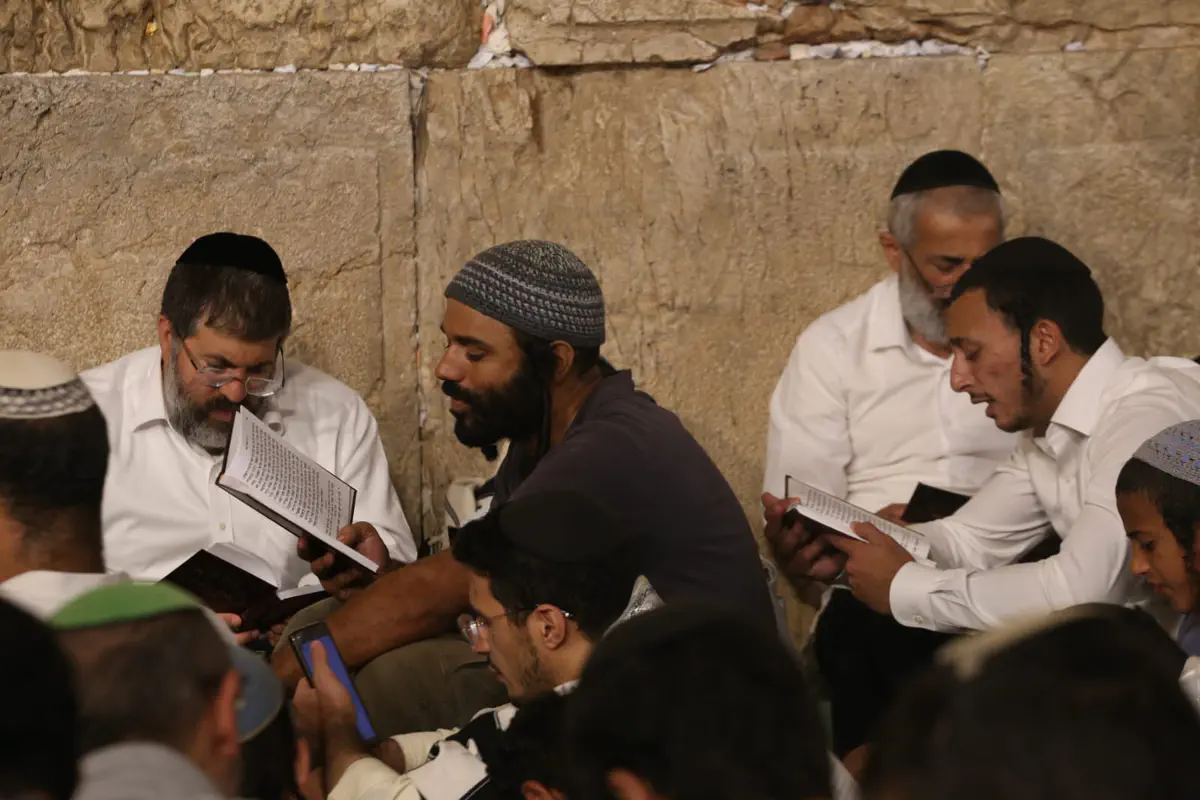
Tens of thousands have already visited — and many more are expected to visit — the Western Wall, the last remnant of the Temple, to recite the traditional kinot prayers (lamentations).
Kinot are recited according to the customs of various Jewish communities — Ashkenazi, Sephardi, Yemenite, and others. Across the country, discussions and forums are being held this evening among diverse sectors of Israeli society on the significance of Tisha B'Av as a national day of introspection.
The central aim of the fast, and particularly Tisha B'Av, is to awaken hearts to repentance and remember that "because of our sins we were exiled from our land." By rectifying those sins — the root cause of the destruction — there is hope for the rebuilding of the Temple.