

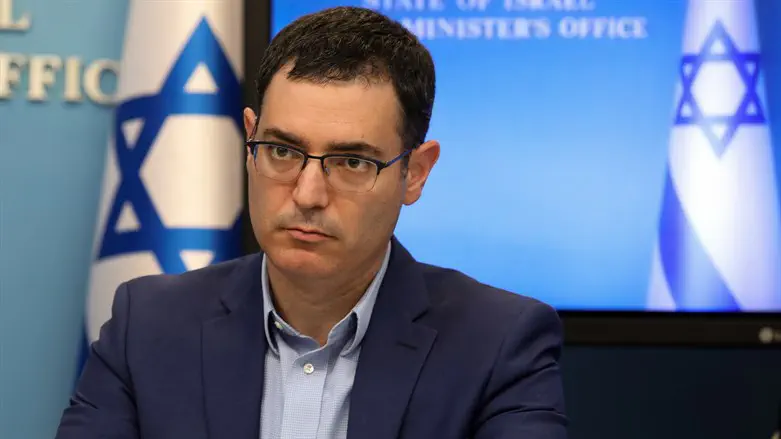
Health Ministry Director General Moshe Bar Siman Tov is preparing to step down, presenting an overview of the major initiatives undertaken to strengthen Israel's healthcare system during his two terms in office.
Bar Siman Tov highlighted investments in medical training, hospital fortification, expanded mental health services and improvements to public healthcare. He also outlined the challenges the system will face in the coming years.
According to the figures presented, approximately 1,650 new students began medical studies this year, twice the number recorded in 2020. The goal is to reach 2,000 new medical students annually by 2030.
The Health Ministry has also developed a national plan to address the need for specialist physicians through 2035, taking into account population needs and regional disparities.
In emergency preparedness, approximately NIS 730 million has been invested in fortifying hospitals. The proportion of hospital beds in protected areas has risen from around 30% to 65%, with a target of reaching at least 70% within five years.
Additional initiatives include arrangements for providing inpatient care in underground facilities, a plan to add 300 rehabilitation beds and preparations for power outages and earthquakes.
Bar Siman Tov also highlighted the expansion of mental health services following the October 7th massacre and the subsequent war. A national plan worth more than NIS 1.4 billion has been developed, bringing more than 1,000 therapists, over 1,000 psychology interns and more than 100 psychiatry residents into the healthcare system.
The Health Ministry said it had met its target of doubling the number of psychotherapy sessions, alongside investments in psychiatric inpatient facilities and community-based treatment services.
Plans to strengthen healthcare services in northern and southern Israel were also presented. Investments exceeding NIS 1 billion are being advanced in the north, alongside a five-year plan worth approximately NIS 721 million for the south and the Tekuma region.
These initiatives focus on expanding community healthcare, rehabilitation and mental health services, as well as improving medical infrastructure. Efforts to establish a new hospital in the Negev are also progressing.
Bar Siman Tov also reviewed reforms to health insurance, expanded patient choice of hospitals and increased funding for the health funds.
Despite these developments, several challenges remain, including reducing waiting times for medical services, completing reforms in child development services, expanding inpatient capacity and narrowing healthcare disparities between central Israel and the country's peripheral regions.
According to figures from the Central Bureau of Statistics, 87% of the public express confidence in the healthcare system, the highest level of trust among the national institutions and organizations surveyed.
Looking ahead, the central challenge will be translating these investments and long-term plans into tangible improvements in the availability and quality of healthcare services for the Israeli public.