

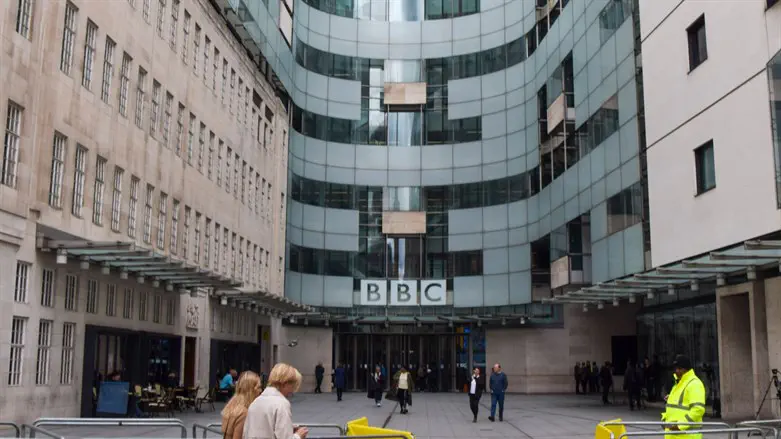
Prof. Mitch Schwaber, director of the National Center for Infection Control at the Ministry of Health, described an unusual incident in an interview with Benny Teitelbaum on Kan Moreshet Radio, following a request by the BBC to interview him for a report.
According to Schwaber, a senior BBC correspondent contacted him for a background briefing for a special report on the health implications of the situation in Gaza. Given his familiarity with the network's reporting, Schwaber asked how the BBC would ensure that the information ultimately published would be accurate.
In a letter to the correspondent, Schwaber cited six examples, including four errors involving health-related issues and two additional cases that he said reflected journalistic negligence.
"I said, if you are really going to do this report and want my help, I want to know how you can guarantee that this won't be another case in which you publish something incorrect that has real consequences for Israel," Schwaber recounted.
The professor explained that his concern was that even if the BBC were to publish inaccurate information, a correction could come only after the damage had already been done.
Schwaber said he was willing to assist the correspondent and cooperate with the report if he received the assurance he had requested.
"The correspondent decided not to respond and cancelled the interview. I haven't heard from him since," he said.
One of the examples Schwaber cited involved a BBC report early in the war concerning the damage to Al-Ahli Hospital in Gaza. According to Schwaber, the BBC reported that there was no other reasonable explanation for the incident and that hundreds of people had been killed. He said it later became clear that the damage had not been caused by Israeli fire.