

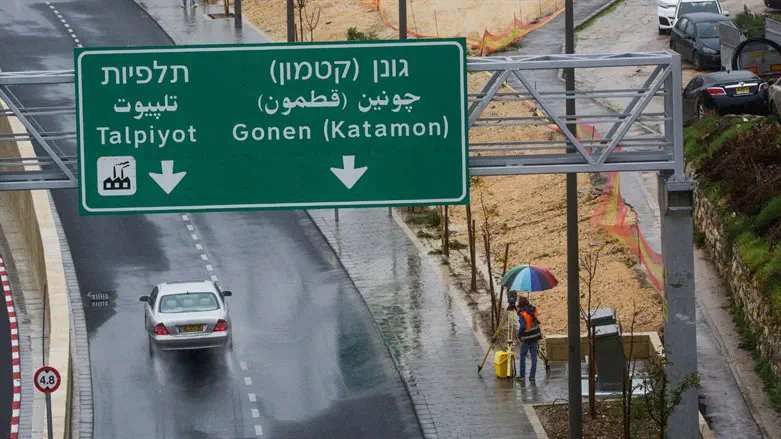
A total of 408 people were injured in accidents on wet and muddy roads across Israel in 2025, including 18 fatalities and 60 people seriously injured, according to data released by the Or Yarok road safety organization ahead of the winter rainy season. The figures are based on data from the Central Bureau of Statistics.
In urban areas alone, 192 people were injured in such accidents, including four fatalities and 29 people seriously injured.
Long-term figures show that an average of around 1,000 people are injured each year in accidents on wet and muddy roads, including approximately 23 fatalities and 100 people seriously injured.
Haifa recorded the highest number of casualties in 2025, with 25 people injured, followed by Tel Aviv-Jaffa and Jerusalem, with 15 each.
Over the past decade, from 2016 to 2025, Jerusalem recorded the highest number of casualties in accidents on wet and muddy roads, with 555 people injured, including six fatalities and 46 people seriously injured. Tel Aviv-Jaffa followed with 491 casualties, including six fatalities and 55 people seriously injured, while Haifa recorded 452 casualties, including four fatalities and 32 people seriously injured.
Or Yarok warns that Israel's winter weather is characterized by long dry spells between rainstorms. As a result, even the first rainfall after several dry days can create hazardous driving conditions. Oil, dust and dirt accumulate on road surfaces, and when mixed with rainwater, form a slippery layer that reduces tire grip.
Or Yarok CEO attorney Yaniv Yaakov stressed that preventing accidents requires action from both drivers and local authorities.
"Driving on a wet or muddy road is different from driving on a dry road and requires a different approach, particularly reducing speed and maintaining a safe distance from the vehicle ahead," he said.
Yaakov added that the Transportation and Road Safety Ministry and local authorities must ensure that roads are free of hazards and that large puddles do not compromise tire grip.
"Now is the time to ensure that drainage openings are clear and roads are in good condition, without hazardous spots that endanger drivers," he said. "Winter is just around the corner, and we must ensure that road conditions are safe so that everyone can get through the season safely."
Or Yarok recommends reducing speed by at least 10 kph on wet roads, and by 20-30 kph in stormy weather, depending on conditions. Drivers should also maintain a greater following distance, slow down gradually before turns and avoid sudden braking, which can cause skidding and loss of control.