

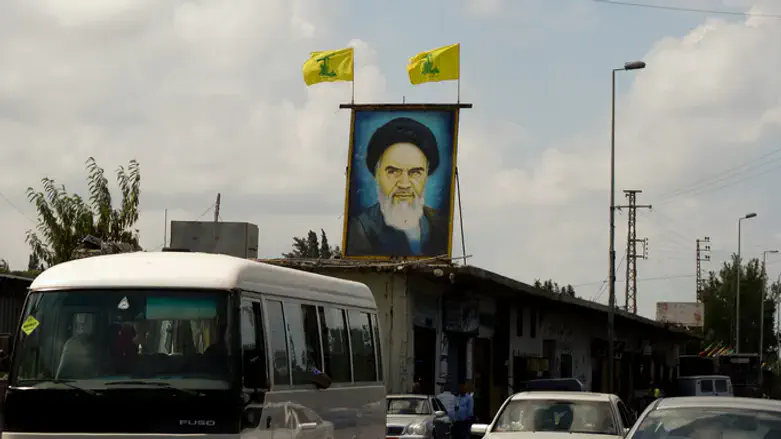
Exiled Shiite cleric Sheikh Muhammad Ali al-Fouani issued sharp and unprecedented criticism of the Hezbollah terrorist organization during an interview with Kan News. In his remarks, he accused the organization of destroying the country and severely damaging its standing.
Speaking about the organization’s activities, al-Fouani said: “This organization has brought ruin upon Lebanon and caused us to become an object of hatred and revulsion."
He went on to question Hezbollah’s credibility, declaring: “Hezbollah claims to be religious and preaches modesty and morality, but its inner character does not match its outward appearance. Therefore, as long as its people do not keep their word, they are not truthful."
The cleric also addressed Iranian influence over Lebanon’s Shiite community and the public price it has exacted.
“The Iranians brainwashed the ‘mustad’afin’ [the oppressed or disadvantaged] with the lie of ‘Wilayat al-Faqih’ [absolute rule of the Islamic jurist] and turned them into victims. They caused them to fight and be killed, and their dreams vanished. Now those whose children were killed harbor resentment toward Hezbollah."
Asked whether there was a realistic possibility that Hezbollah would disarm, al-Fouani rejected the claim that such a scenario was impossible.
“No, these are not dreams. Look at what happened to them in Syria-they fled from there," he replied.
He further assessed that the organization’s standing among the Lebanese public is extremely precarious.
“Hezbollah knows that when the time comes, the people will turn against it and subject it to a summary trial. If all the countries act against it simultaneously, it will collapse, just as it collapsed in Syria, within 72 hours."
Al-Fouani concluded his remarks with a direct and conciliatory message to the Israeli public:
“As far as we are concerned, you are the ‘People of the Book,’ and fundamentally there is no hostility between us and you. Know that the Shiites are not part of the terrorist organization, and that the Israeli public should tell its government: ‘We want good relations with the Lebanese people, and it is your responsibility to make that happen.’"