
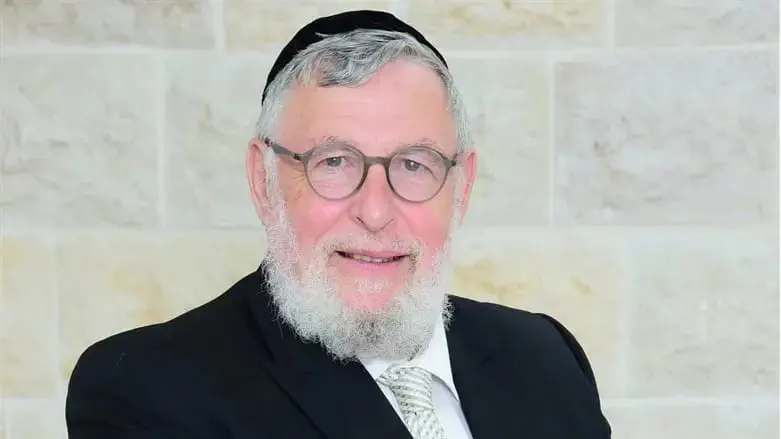
Rabbi Weisz is a member of the Chief Rabbinate Council.
As the election period approaches, political differences in Eretz Yisrael are once again becoming sharper. Parties are competing for votes, campaigns are beginning, and public discussion can easily become heated.
There is nothing wrong with disagreement. Jewish life itself is full of debate. The Beit Midrash was built on lomdus, questions and argument. The real question is: How do we disagree without dividing?
Within the religious world there are Lithuanian Haredim, Chassidim, Sephardic Haredim, Religious Zionists, and others, each with its own mesorah, rabbinic leadership and outlook. We should not pretend that these differences do not exist. The challenge is to preserve them without allowing them to tear the larger family apart.
There must be a framework broad enough to bring the different kehillot together. They do not have to become identical, and they do not have to give up their traditions or political positions. But when the larger interests of Torah and Klal Yisrael are at stake, there must be a way for us to stand together.
There is an important Torah source for this approach. The Torah says:
בָּנִים אַתֶּם לַה' אֱלֹקֵיכֶם לֹא תִתְגֹּדְדוּ
“You are children of Hashem your God; you shall not form separate factions."
(Devarim 14:1)
Chazal teach us in Masechet Yevamot (13b):
לֹא תִתְגֹּדְדוּ - לֹא תֵּעָשׂוּ אֲגֻדּוֹת אֲגֻדּוֹת
“Lo Titgodedu - do not divide yourselves into separate factions."
The immediate halakhic discussion of Lo Titgodedu concerns different groups following conflicting practices. But the words of the Torah also begin with a powerful reminder:
בָּנִים אַתֶּם לַה' אֱלֹקֵיכֶם We are children of Hashem.
We may have different traditions, mesorot, different rabbanim and different approaches, but we remain one family. Differences do not change the fact that we belong to one Klal Yisrael.
This is why the danger of division, machloket, is so serious. A disagreement can begin with an issue of principle, but if it is allowed to become personal, it can damage relationships, weaken communities and ultimately harm the entire group, tzibbur. A person may believe that he is strengthening his own side, while in reality he is weakening the larger body of Klal Yisrael.
The Rambam, in Hilchot Avodah Zarah (12:14), discusses the concern of having two rabbinic courts, batei dinim, in one city following conflicting practices, which can lead to great division, machloket gedolah. Rashi explains the concern in terms of the appearance of “two Torahs." The point is not that every Jew must practice or think in exactly the same way. The point is that differences should not create a situation in which one community sees another as belonging to a different Torah or a different people.
There is a simple parable, a mashal.
A worker is holding a hammer in his right hand and a chisel in his left. The hammer slips and hits the left thumb. The left hand becomes angry and wants to hit the right hand in retaliation.
But the worker stops it. Why? Because the right hand is part of the same body.
If the left hand breaks the right hand, there will not be one winner and one loser. The whole body will suffer.
That is what can happen to Klal Yisrael. When one group attacks another, or one kehillah tries to weaken another, each side may believe that it is fighting for something important. But if the result is that the larger tzibbur becomes weaker, we have not defeated anyone. We have injured ourselves.
Torah life never demanded that every Jew think alike. The Gemara in Eruvin (13b) records the famous dispute between Beit Shammai and Beit Hillel and says:
אֵלּוּ וָאֵלּוּ דִבְרֵי אֱלֹקִים חַיִּים, וְהֲלָכָה כְּבֵית הִלֵּל
“These and those are the words of the living God, but the halakhah follows Beit Hillel."
This was a genuine Torah dispute, and yet there was a clear halakhic decision: והלכה כבית הלל. The Gemara explains that Beit Hillel merited that the halakhah should follow them because they were patient and humble, studied both their own words and the words of Beit Shammai, and even presented the words of Beit Shammai before their own.
There is an important lesson here. A person can be firmly convinced that his position is correct without treating someone who disagrees with him as an enemy.
The Mishnah in Pirkei Avot (5:17) gives us another fundamental principle:
כָּל מַחֲלֹקֶת שֶׁהִיא לְשֵׁם שָׁמַיִם, סוֹפָהּ לְהִתְקַיֵּם
“Every dispute that is for the sake of Heaven will endure."
The problem is not disagreement. The question is whether the disagreement is leshem Shamayim.
An ideological debate over principles can be leshem Shamayim. It is something completely different when an argument turns into a personal battle, bizui, lashon hara, or the delegitimization of another Jew.
A machloket that begins with a genuine disagreement can slowly become something much more dangerous. People stop arguing about the issue and begin attacking the person. They stop seeing the good in the other side. Eventually, the argument itself becomes more important than the people involved.
Once we cross that line, political division does not remain in politics. It enters the shul, the neighborhood, friendships and even families.
There is a story recorded by Rabbi Yosef Yitzchak Schneersohn of Lubavitch in The Making of Chassidim, Chapter 11, about three brothers who were all great talmidei chachamim. Two became Chassidim of the Baal Shem Tov, while the third remained a Misnaged. Their differences were real and deep. Yet the story begins with all three brothers sitting together in the beit midrash, immersed in Torah learning.
We do not have to pretend that there are no differences among us. We have to remember that those differences do not cancel the fact that we are brothers.
This perspective is especially important during an election season. There will naturally be differences over strategy, candidates and priorities. But a person who sees an issue differently is not an enemy, and a different kehillah with a different strategy is not outside the boundaries of our people.
The real test of an election is not only who wins seats. It is also what remains in our communities afterward.
Will we still want to sit together?
Will we still want to daven together?
Will we still want to treat every Jew with respect, dignity and derech eretz?
This is where we need true Torah wisdom:
חֲכָמִים, הִזָּהֲרוּ בְּדִבְרֵיכֶם.
Avtalyon teaches us this in Pirkei Avot (1:11): “Chachamim, be careful with your words."
Words have power. A sentence said in anger during a campaign can leave scars long after the election has ended. We must be wise enough to separate principled debate from personal attack.
This is especially important as we enter the month of Elul and prepare for the Yemei HaDin. We ask Hashem for a ketivah v'chatimah tovah, but our cheshbon hanefesh must include both bein adam laMakom and bein adam lechavero. We cannot ask ourselves only how we have served Hashem; we must also examine how we have spoken about and treated other people.
In the holy tefillah attributed to Rabbi Elimelech of Lizhensk, we ask:
אַדְּרַבָּה, תֵּן בְּלִבֵּנוּ שֶׁנִּרְאֶה כָּל אֶחָד מַעֲלַת חֲבֵרֵינוּ וְלֹא חֶסְרוֹנָם, וְשֶׁנְּדַבֵּר כָּל אֶחָד אֶת חֲבֵרוֹ בַּדֶּרֶךְ הַיָּשָׁר וְהָרָצוּי לְפָנֶיךָ, וְאַל יַעֲלֶה בְּלִבֵּנוּ שׁוּם שִׂנְאָה מֵאֶחָד עַל חֶבְרוֹ חָלִילָה, וּתְחַזֵּק אוֹתָנוּ בְּאַהֲבָה אֵלֶיךָ, כַּאֲשֶׁר גָּלוּי וְיָדוּעַ לְפָנֶיךָ, שֶׁיְּהֵא הַכֹּל נַחַת רוּחַ אֵלֶיךָ. אָמֵן כֵּן יְהִי רָצוֹן.
“On the contrary, place in our hearts that we should see the virtues of our fellow Jews and not their shortcomings, that we should speak to one another in the proper way, and that no hatred should enter our hearts toward one another."
We can disagree without searching for the faults of others. We can belong to different kehillot and still recognize the good in one another:
שֶׁנִּרְאֶה כָּל אֶחָד מַעֲלַת חֲבֵרֵינוּ וְלֹא חֶסְרוֹנָם.
This is not merely a nice idea. It is part of the avodah of Elul.
Klal Yisrael is bigger than any political campaign. The different communities do not have to become identical. But there must be a framework broad enough for us to stand under together when the needs of Torah and Klal Yisrael require it.
Before any political framework, we are:
בָּנִים אַתֶּם לַה' אֱלֹקֵיכֶם.
Children of Hashem.
Let us fight for Torah principles, not against people. Let us guard our tongues and refrain from political arguments that serve no useful purpose and bring no nachat ruach to Shamayim.
There are times when we must speak. There are times when we must argue. And there are times when the wiser choice is to remain silent.
As the Mishnah in Avot (3:13) teaches:
סְיָג לַחָכְמָה - שְׁתִיקָה.
“There are times when silence is the wisest choice."