
When Moshe was told to prepare for his passing, he did not turn his attention to his own personal needs. He did not go and spend time with his family and share his parting instructions and he did not go to make sure that his personal affairs were in order. Moshe’s only thought was for the wellbeing of the Jewish people.
Who would succeed him as their leader and take care of them when he was no longer there?
Moshe turned to Hashem, addressing Him with a unique description, “G-d of the spirits of all flesh", and asks “appoint a man over the community… so that they not be like a flock without a shepherd...". They will need a leader who “will go out before them and who will come in before them, who will bring them out and will bring them back in".
Moshe understood that each generation is different and has their own unique needs. The leader must be one who is fitting for that generation.
The generation which witnessed Matan Torah were a דור דעה, a generation that craved spirituality and wisdom. For them, Moshe was the ideal leader. But the generation that was poised to enter Eretz Yisrael were a new generation, one which did not physically experience Matan Torah. They would face different challenges as they conquer and build a country and would then face the struggles of working the land and earning a living. They required a leader who would be able to lead them as they need. (Sifsei Kohen).
The leader of the Jewish people needs take care of their physical needs. This includes leading them out to battle and bringing them security and protection from their enemies without. They must also be able to govern the country internally and create a functioning society. (Seforno, Malbim).
But as the leader of a people with a spiritual purpose, he must also protect their souls; strengthening their connection and commitment to Torah and Avodat Hashem. (Chida, Kli Yakar).
Perhaps this is hinted to in Moshe addressing Hashem with the title G-d of the spirits of all flesh, alluding to the leader’s responsibility to look after matter of both flesh and spirit.
Above all, Moshe understood that the biggest challenge that would face any leader of the Jewish people, would be their diverse natures. The Midrash on this passage famously states, that just as their faces do not resemble one another, so too their perspectives and natures. Perhaps this was the wisdom behind the famous comment made by Israeli Prime Minister, Gold Meir to US President Richard Nixon; “"You are the president of 150 million Americans; I am the prime minister of 6 million prime ministers".
Rashi explains that this was Moshe’s hint in addressing Hashem as the G-d of spirits, in plural. Just as Hashem understands the unique “spirit" of each individual, he should appoint a leader who will be able to “tolerate" each one according to their individual character. Even the most capable leader cannot satisfy or cater to the views of each individual. But they must be able to “tolerate" them; to understand them, respect them and accept that there are different views.
The Netziv explains that the differences in our “spirits", which he interprets as our desires, arise because each person is driven by their own material needs and interests - our “flesh". Each person has their own personal agendas that they pursue. To lead them, the leader must be completely selfless and altruistic, leading without any personal agendas.
Rabbi Levi Yitzchak of Berditchev writes that the most important quality for a leader of Klal Yisrael is to be able to judge them favourably and stand up for them, even when they do not act in accordance with Hashem’s will. The leader needs to be empathetic and understand the struggles that people face. They are not “bad" or rebellious, but merely struggling with their human limitations and life challenges. Rabbi Levi Yitzchak himself personified this trait, earning him the title “defender of the Jewish people".
In his work Shem Mishmuel, Rabbi Shmuel Bornstein of Sochatchov, writes that the ultimate responsibility of the leader of the Jewish people is to bring unity, and mend the rifts and discord between them, that stem from their different “spirits" and perspectives.
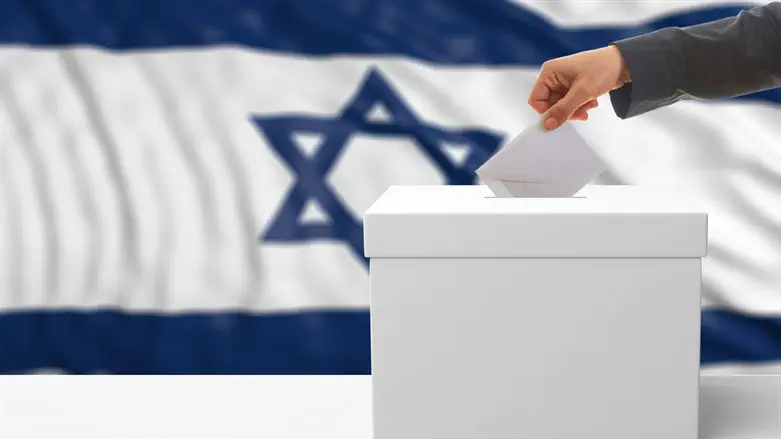
Israel is facing a new election cycle and we are as diverse as ever. Each segment of society and indeed each individual, has their own perspectives, outlooks and priorities. Tragically, these differences have created divisiveness and conflict.
Any leader who is elected will need to address the security needs as we continue to face our enemies on multiple fronts. Internally, they will need to govern the country in a functioning and thriving manner. And as a Jewish country, they will need to protect and strengthen its Jewish nature.
But the truly successful leader will be one who can bring tolerance and unity. They will need to see and believe in the goodness of each individual, not only when things are going well, but even in our darker moments. And they must help us to see it in each other. To do this, they will need to rise above their own personal agendas and inspire us to do the same.
Like Moshe, we must put aside our personal needs and interests, and unite behind one common thought, the collective wellbeing of the Jewish people.