

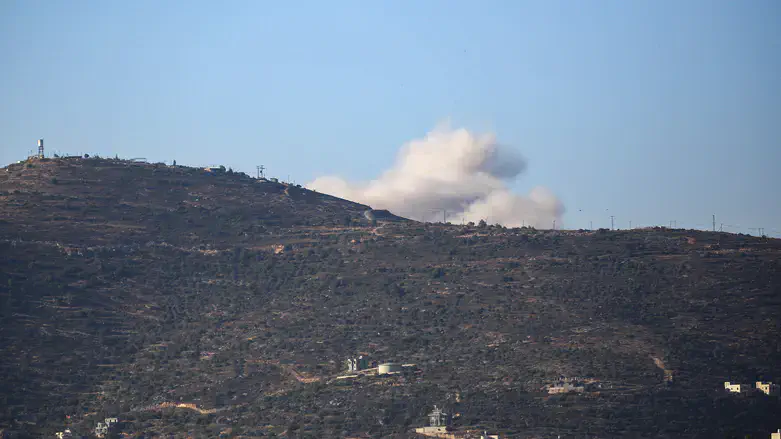
The Middle East has erupted once more into open confrontation. Iran launched ballistic missiles directly at Israel, marking the first such assault since the April truce. Hezbollah sent rockets flying across the border, while Israeli forces struck back in Beirut's southern suburbs and pressed operations in Gaza. These events expose the deep fragility of diplomatic efforts and the determination of rejectionist forces to keep conflict alive.
The sequence began with Israeli airstrikes on Dahiyeh, a Hezbollah stronghold in Beirut. The IDF said the action responded to fresh rocket fire from Lebanon into northern Israel. Shortly after, sirens wailed across Israel as Iranian missiles streaked toward the north. Defense systems intercepted the majority, but the provocation was unmistakable. Tehran framed it as retaliation, vowing more if operations against its allies (read that 'proxies') continued.
This direct Iranian involvement comes amid broader tensions. Reports indicate Tehran also targeted areas in the Gulf region, escalating risks for shipping lanes and neighboring states. The move appears designed to signal strength, disrupt ongoing talks, and rally its network of militias. Yet it also highlights the limits of restraint: each attempt to pressure Israel through proxies or direct fire meets a calculated response aimed at restoring deterrence.
On the northern front, Hezbollah's actions reveal the hollowness of recent ceasefire understandings. Despite announcements of de-escalation, the group fired rockets and tested boundaries with drones and incursions eliciting the Israeli response. Israeli troops engaged in southern Lebanon, resulting in casualties including two soldiers lost in the fighting. Strikes reached deeper into Beirut suburbs, targeting infrastructure used by the Iran-backed militia. Hezbollah leaders dismissed negotiated pauses as unacceptable, insisting on full Israeli withdrawal and continued resistance.
This pattern is familiar. Hezbollah embeds among civilians in Lebanon while launching attacks that invite retaliation. Israeli operations seek to push threats away from the border, creating security zones and degrading launch capabilities. Recent exchanges, including responses in Dahiyeh, underscore why temporary halts often fail: without enforcement and structural change, groups committed to perpetual conflict simply regroup and probe weaknesses.
Gaza followed a similar script. Israeli strikes hit Hamas targets in the enclave, with reports of multiple deaths including security figures. Crossings into Gaza were closed in response to the Iranian barrage, tightening the squeeze on remaining militant networks. Hamas continues to reject comprehensive deals, holding hostages and prioritizing tunnels over civilian welfare. Israel holds the high ground and over 60% of the land, so it simply shoots anyone who approaches the yellow buffer line. The cycle of targeted operations against commanders tied to past atrocities persists, aimed at preventing future mass attacks rather than endless management.
These converging threats make the past days stand out:
-Iran strikes while its proxies violate emerging agreements.
-Ceasefire frameworks brokered with international involvement crumble under immediate challenges.
-Hezbollah rejects terms that would limit its freedom to attack, and
-Hamas maintains its grip on Gazans despite heavy losses.
This coordinated pressure tests not only Israel's defenses but the international community's patience with endless diplomacy that yields little behavioral change.
Israel's approach combines precision with resolve. Air defenses blunted the Iranian salvos effectively. Ground forces in Lebanon focus on buffer areas and high-value targets. Leadership has made clear that threats near population centers or strategic sites will not be tolerated. This firmness, backed by technological superiority and intelligence, offers a path to genuine security where words alone have repeatedly fallen short.
The human cost remains tragic across lines. Lebanese communities face hardship from the fighting, much of it tied to Hezbollah's choices. Gazans endure the consequences of Hamas governance that diverts resources to war. Incidents in the Judea and Samaria, including clashes and a reported infant death, add layers of pain.
Yet context is essential: Israel's actions arise from survival imperatives after years of rockets, tunnels, and massacres, not from unprovoked aggression.
True peace demands more than fragile paper truces. It requires dismantling terror infrastructures, enforcing red lines, and empowering those ready for coexistence over those who glorify martyrdom and rejection. The Jewish state's edge in technology, unity, and moral clarity in self-defense provides the foundation. The sirens and strikes serve as another reminder: security comes through deterrence and decisive action, not wishful pauses that invite the next round.
As tensions simmer into the night, the region watches closely. The choice remains stark: pursue paths that reward aggression or back measures that finally sideline the forces driving endless war. Israel stands prepared. The question lingers whether broader resolve will match that determination.
Amine Ayoub, a fellow at the Middle East Forum, is a policy analyst and writer based in Morocco. Follow him on X: @amineayoubx