

The IDF announced Sunday evening that it is currently facing a shortage of approximately 12,000 soldiers, including between 6,000 and 7,500 combat troops, amid ongoing operational demands across multiple fronts.
According to military officials, the manpower gaps are expected to grow even larger if the planned reduction of mandatory military service to 30 months is implemented. Security officials warned that such a move could leave the army lacking thousands of additional combat soldiers, combat support personnel and technical staff.
The military said the operational burden created by fighting in seven different arenas has required regular servicemembers to operate continuously throughout the year, while reservists have been called on to complete dozens of extra reserve duty days beyond the original schedule.
Despite the strain, the IDF said motivation among young Israelis to serve in meaningful combat roles remains high among both men and women.
To address the growing manpower crisis, the Manpower Directorate has spent the past two and a half years implementing a broad strategic plan aimed at maximizing personnel resources and expanding recruitment channels.
As part of the army’s force buildup efforts, the IDF established nine new regular armored companies over the past two years, along with an engineering battalion, a Home Front Command battalion, an air defense and combat intelligence unit, and a new haredi battalion intended to ease pressure on the reserve system.
In parallel, the military created a large-scale reserve framework integrated into the current 2026 operational plan. The framework includes 25 battalions from the “David" brigades, four battalions of the “Hashomer" brigade, the 500th Armored Brigade, Division 38, and 49 additional armored crews.
The army said these formations were made possible through the return of volunteers, the recall of individuals previously exempted under command authority, and the reassignment of previously unused manpower pools.
The IDF also highlighted the growing role of women in combat service. Over the past decade, the number of female combat recruits has risen from approximately 500 annually to around 5,000 each year, significantly increasing women’s share within the combat force.
Among the initiatives introduced to reduce attrition is a national project funded with 70 million shekels designed to prepare teenagers for military service and improve resilience before enlistment.
According to the IDF, non-clinical mental health challenges account for roughly 80% of attrition cases in the military, with about one-third occurring at the very start of service.
The program operates in two stages: one for 11th-grade graduates focused on building resilience and shaping attitudes toward service, and another for 12th-grade students approaching enlistment aimed at reducing readiness gaps. About 450 students participated in the pilot phase, while an expanded consolidation year beginning in June is expected to include around 8,000 candidates.
Additional reforms include an initiative which allows recruits to receive final assignments earlier in the enlistment process based on recruitment data while continuing selection procedures simultaneously.
The IDF also operates programs that focus on helping soldiers maximize their service potential, providing second chances for officer training and supporting populations at risk of dropping out.
At the same time, there are programs that seek to retain soldiers expected to leave the military as career personnel, and another which has reportedly increased acceptance rates of candidates from Israel’s geographic and social periphery into technological tracks by 22% between 2023 and 2025 through intervention programs beginning in middle school.
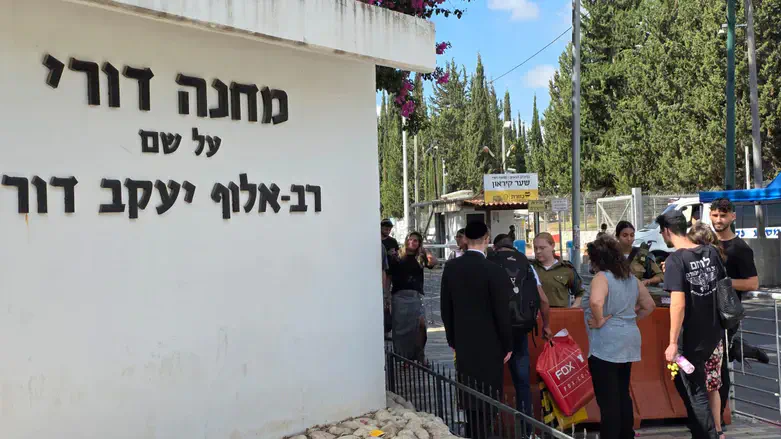
The army said significant efforts are also being invested in increasing haredi enlistment, although current recruitment levels still fall short of operational needs.
According to IDF data, approximately 80,000 individuals are currently listed in draft evasion processes. Military officials estimate that around half are certainly haredi, while another quarter are believed to belong to the haredi sector.
As part of efforts to regulate haredi recruitment, the Chief of Staff signed a dedicated General Staff directive defining service conditions for haredi recruits and, in July 2025, ordered draft notices to be sent to all eligible haredi men while adapting the enlistment process to the sector’s needs.
Brigadier General Avinoam Amona was also appointed as the Chief of Staff’s advisor on haredi affairs, while procedures related to initial draft notices, recruitment days, training frameworks and gender accommodations were revised.
The IDF reported a gradual increase in haredi enlistment figures in recent years. Approximately 2,200 haredim enlisted in the 2023 recruitment cycle, rising to 2,800 in 2024. During the first half of the 2025 cycle, around 1,850 combat soldiers and combat support personnel had already enlisted, with the military expecting the total to surpass 3,000 by the end of the year.
Dedicated combat frameworks for haredi soldiers are now available in several combat units and the Border Police, alongside expanded access to technological programs and officer training opportunities.