

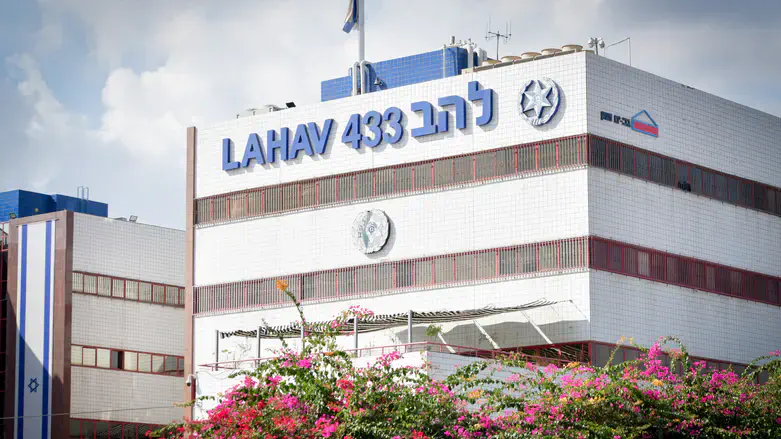
In a sophisticated and unusual operation, the Lahav 433 "protection" unit uncovered a large-scale extortion network operating in Rishon Lezion, focusing on the Ha'elef complex and the Shafdan project.
The case, which was ungagged Monday with the arrest of ten suspects, exposes a "modern operation method" for "protection" rackets, combining the intimidation power of crime families from the Negev with licensed security companies that provided a "legal cover" and issued tax invoices.
According to Commander Israel Hazan, head of the unit, the extortion began as soon as a contractor placed engineering equipment at a site. The suspects, members of a family from the Bedouin town of Hura in southern Israel, would approach the contractor and claim they were “responsible for security in the area."
They demanded between 8,000 and 10,000 NIS per month per construction site. Those who refused found their expensive equipment heavily damaged. In practice, no guards were present, but contractors received invoices from recognized security firms to disguise the payments as legitimate expenses.
To gather evidence, Lahav 433 established an undercover infrastructure company that operated in the area for nearly a year. The suspects, unaware they were dealing with undercover officers, demanded protection payments from the company and were documented in real time. The operation exposed extortion targeting dozens of contracting companies in central Israel.
During arrests and searches, luxury vehicles, documents, and cash were seized. The suspects are accused of extortion by threats, money laundering, and tax offenses amounting to millions of shekels. Police emphasized that the Shafdan facility itself did not pay protection money, but rather the contractors working at the site were the ones who fell victim.