

At the end of a tense and tense weekend, in which negotiations between Iran and the United States faltered without yielding any fruit, an extraordinary security drama unfolded behind the scenes.
The members of the Iranian delegation, who made their way back to their country, did not return alone - an impressive air defense umbrella of the Pakistani Air Force spread out over them, which accompanied them along the entire route.
The Iranian concern was not merely theoretical. In Jerusalem, Tehran believed, they might see the failure of the talks as an opportunity for a covert and daring action. The suspicion that their lives were at stake accompanied the members of the delegation, turning their journey back into an extremely sensitive operation.
A security source who described the events to Reuters painted an almost dramatic picture: from the moment it became clear that the talks had run aground, the diplomatic climate was replaced by an atmosphere of alertness. “There was a clear sense that something was wrong," he said, “and the fear became tangible. They realized that they could become a target."
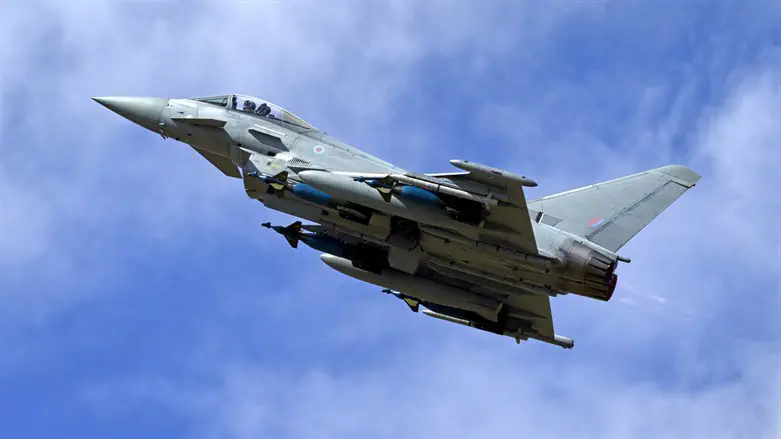
The Pakistani pilots believed that this was a mission of an extraordinary scale - no longer a routine escort, but a heavy responsibility for the fate of a diplomatic delegation in the midst of regional tensions. The skies of the region were filled with the presence of advanced fighter jets, designed to repel any potential threat, overt or covert.
Pakistan spared no resources: no fewer than 24 fighter jets were assigned to the mission, alongside advanced airborne warning and control systems (AWACS), which constantly scanned the space. At the forefront were the Chinese-made J-10 aircraft - the pride of the Pakistani air force - which symbolized the willingness to use technological power to ensure safe passage.