

Gulf allies of the United States, led by Saudi Arabia and the United Arab Emirates, are urging US President Donald Trump to continue prosecuting the war against Iran, arguing that Tehran has not been weakened enough by the monthlong US-led bombing campaign, The Associated Press reported Monday, citing US, Gulf and Israeli officials.
After private grumbling at the start of the war that they were not given adequate advance notice of the US-Israeli attack and complaining the US had ignored their warnings that the war would have devastating consequences for the entire region, some of the regional allies are making the case to the White House that the moment offers a historic opportunity to cripple Tehran’s clerical rule once and for all.
Officials from Saudi Arabia, United Arab Emirates, Kuwait and Bahrain have conveyed in private conversations that they do not want the military operation to end until there are significant changes in the Iranian leadership or there is a dramatic shift in Iranian behavior, according to the officials, who spoke to AP on the condition of anonymity.
The push from the Gulf nations comes as Trump vacillates between claiming that Iran’s decimated leadership is ready to settle the conflict and threatening to further escalate the war if a deal is not reached soon.
While regional leaders are broadly supportive now of the US efforts, one Gulf diplomat described some division, with Saudi Arabia and the UAE leading the calls for increasing military pressure on Tehran.
The UAE has emerged as perhaps the most hawkish of the Gulf countries and is pushing hard for Trump to order a ground invasion, the diplomat told AP. Kuwait and Bahrain also favor this option. The UAE, which has faced more than 2,300 missile and drone attacks from Iran, has only grown more irritated as the war grinds on and the salvos threaten to tarnish its image as the safe, pristine and monied hub for trade and tourism of the Mideast.
Oman and Qatar, which historically have played the role of intermediary between the long economically isolated Iran and the West, have favored a diplomatic solution.
Saudi Foreign Minister Prince Faisal bin Farhan Al Saud recently ripped Iran over its attacks on its neighboring countries, warning that Saudi Arabia reserves the right to respond militarily.
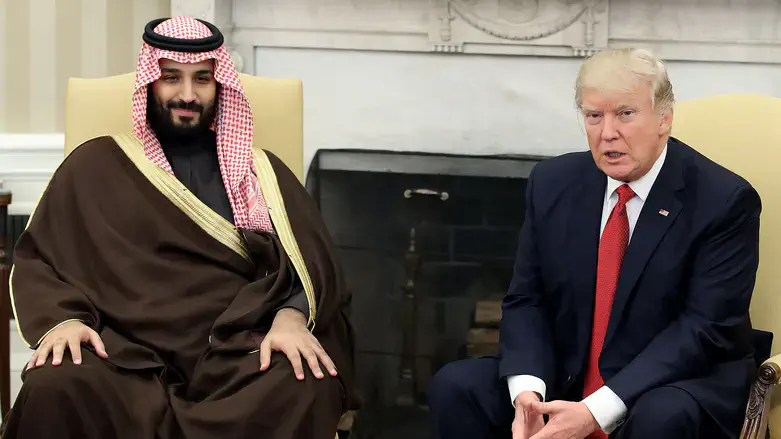
The Washington Post reported, soon after the start of the strikes on Iran, that President Donald Trump launched the attack on Iran after a weeks-long lobbying effort by the leaders of Israel and Saudi Arabia.
According to the sources, the Saudi Crown Prince made multiple private phone calls to Trump over the past month advocating a US attack, in contrast to his public calls for a diplomatic solution.
Saudi Arabia vehemently denied the report, with a spokesperson for the Saudi embassy in Washington writing, “The Kingdom of Saudi Arabia has been consistent in supporting diplomatic efforts to reach a credible deal with Iran."
“At no point in all our communication with the Trump Administration did we lobby the President to adopt a different policy," he added.