


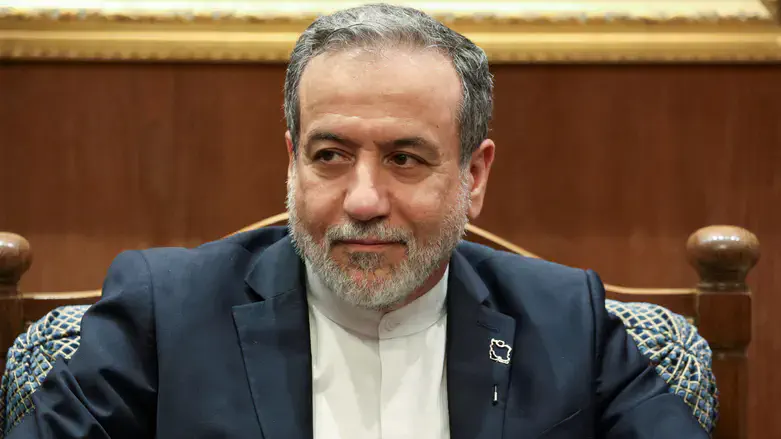
Iranian Foreign Minister Abbas Araghchi warned in a CBS interview on Sunday that Iran would strike back at U.S. military bases in the region if attacked, while expressing hope for a diplomatic resolution to the nuclear standoff amid heightened U.S. military presence in the Middle East.
Araghchi emphasized that diplomacy is the "only way" to address Iran's peaceful nuclear program, rejecting military escalation and U.S. buildup. "There is no need for a military buildup, and also no use in it - military force cannot exert pressure on us."
He defended Iran's right to uranium enrichment as a sovereign NPT (Non-Proliferation Treaty) entitlement, stating Iran would not abandon it, and affirmed openness to full IAEA monitoring and verification, including an additional protocol under certain conditions.
The Minister also pointed out that Iran had lost too much for the nuclear program to abandon it, even when confronted with the potential destruction of the country and regime. "We have endured 20 years of sanctions. We have paid great expenses, and lost many scientists. The nuclear program is at this point a matter of dignity and pride."
He indicated negotiations remain focused solely on nuclear issues, excluding ballistic missiles or regional proxies. Araghchi suggested a potential new deal under President Trump could surpass the 2015 JCPOA in some respects, given Iran's nuclear advancements and the need for simpler terms centered on peaceful use and sanctions relief.
The minister confirmed a likely Thursday meeting in Geneva with U.S. envoy Steve Witkoff to advance a draft proposal, describing a "good chance" for progress despite ongoing internal approvals in Tehran.
He admitted to Iran's air defenses failing during Operation Rising Lion, but claimed that the Iranian strikes within Israel proved that Iran has air superiority in Israel to a similar degree as Israel in Iran. He warned that they would target American interests as well if attacked - but urged the USA not to do so.
"Our missiles can hit their targets in Israel. Since our missiles cannot reach US soil, if they attack, we must hit something else, such as their bases in the region. Still, why should we go to war when there is every possibility of a peaceful solution?"