
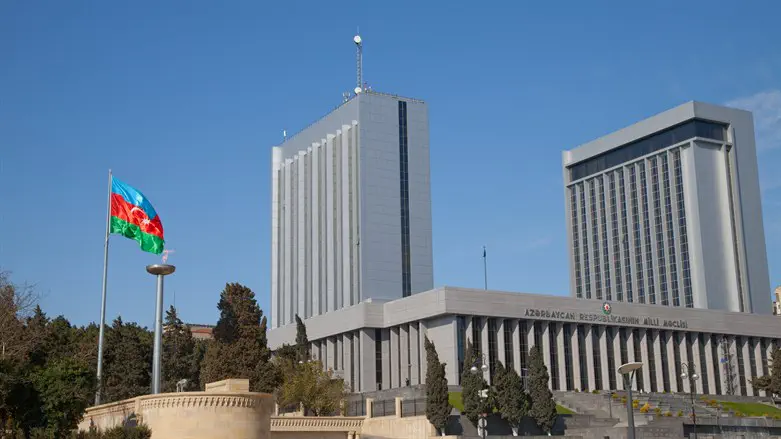
As the geopolitical constellations shift in the South Caucasus, Baku is stepping forward with a bold vision for a new regional order. The 2025 Armenia-Azerbaijan framework agreement, increasing U.S. engagement, and infrastructure projects all point to Baku’s strategy: not just to adapt, but to lead. This article examines how Azerbaijan is laying the foundations for a new era in the South Caucasus — the opportunities it seeks, risks it faces, and the path ahead.
The South Caucasus—traditionally a zone of frozen conflicts, closed borders, and geopolitical tug-of-war—has long been hampered by the Armenia-Azerbaijan conflict, blockade, and external powers shaping outcomes.
On August 8, 2025, Azerbaijan and Armenia signed a framework peace agreement in Washington, under U.S. mediation. This accord opens the door to economic connectivity, territorial access, and transport corridors.
The agreement envisages the creation of a strategic transit corridor linking Azerbaijan to its Nakhchivan exclave through Syunik province in Armenia (the so-called Zangezur / “TRIPP” corridor). This moment marks a turning point: a shift from confrontation to regional integration.
Russia’s role, once central, is challenged. Azerbaijan’s multi-vector foreign policy — strengthening ties with the U.S., China, Israel, while maintaining engagement with Russia — reflects its quest for greater autonomy in regional affairs.
By mid-2025, Azerbaijan successfully negotiated the departure of Russian peacekeeping forces from parts of Karabakh, a symbolic victory in diplomatic leverage.
Azerbaijan is expanding rail, road, and energy networks to integrate with regional corridors.
The Baku-Tbilisi-Kars (BTK) railway — operational since 2017 — remains a backbone for connecting Azerbaijan via Georgia to Turkey and onward to Europe.
The TRIPP / Zangezur corridor promises a direct link between Azerbaijan and Nakhchivan, bypassing older barriers, and enabling seamless East-West and North-South connectivity.
Infrastructure investments also include energy pipelines, fiber-optic cables, and logistics hubs as part of the long-term trade vision.
Baku is keen to position itself as a regional economic hub, leveraging its energy resources, its transit potential, and favorable investment climate.
The recently signed Strategic Working Group memorandum with the U.S. aims to promote cooperation in sectors like infrastructure, digital innovation, and trade.
With new corridors opening, Azerbaijan envisions increased trade, transit fees, and revenue from logistics services.
Baku is stepping into a mediator role, advocating integration and peaceful cooperation among South Caucasus states.
The peace agreement with Armenia signals willingness to normalize relations and enable Armenia’s participation in shared infrastructure, reducing isolation.
Azerbaijan aligns more with Western institutions, which also enhances diplomatic leverage and signals change in alignments.
The framework peace agreement is preliminary; many details (legal status, ownership, sovereignty, security) remain unresolved.
Armenia’s domestic politics and public sentiment may resist full corridor integration or external oversight.
Ensuring cooperation across multiple countries with historic mistrust is a delicate diplomatic task.
Russia may view the diminishment of its peacekeeping role and corridor influence as a threat to its interests. Regional powers such as Iran could contest elements perceived as altering regional balances.
Great powers may resist shifts that limit their influence or force them to renegotiate regional roles.
Baku is no longer content to be a spectator in South Caucasus geopolitics — it intends to be an architect. With infrastructural vision, economic ambition, and strategic diplomacy, Azerbaijan seeks to usher in a new epoch of regional integration and stability.
Yet ambition must match execution. The success of this vision demands trust-building, careful diplomacy, and resilient institutions. If Baku can navigate these challenges, the South Caucasus could indeed enter a new era — one forged by connectivity, cooperation, and shared prosperity.
Rachel Avraham is the CEO of the Dona Gracia Center for Diplomacy and an Israel-based journalist. She is the author of "Women and Jihad: Debating Palestinian Female Suicide Bombings in the American, Israeli and Arab Media.