A new study conducted by University of Haifa, in collaboration with the Israel Nature and Parks Authority’s National Sea Turtle Rescue Center and the Kimron Veterinary Institute, has found that three out of four bacteria isolated from sea turtles on Israel’s coast are resistant to multiple types of antibiotics.
The researchers recommend continued monitoring of the marine environment and further examination of the connection between land-based pollution and public health.
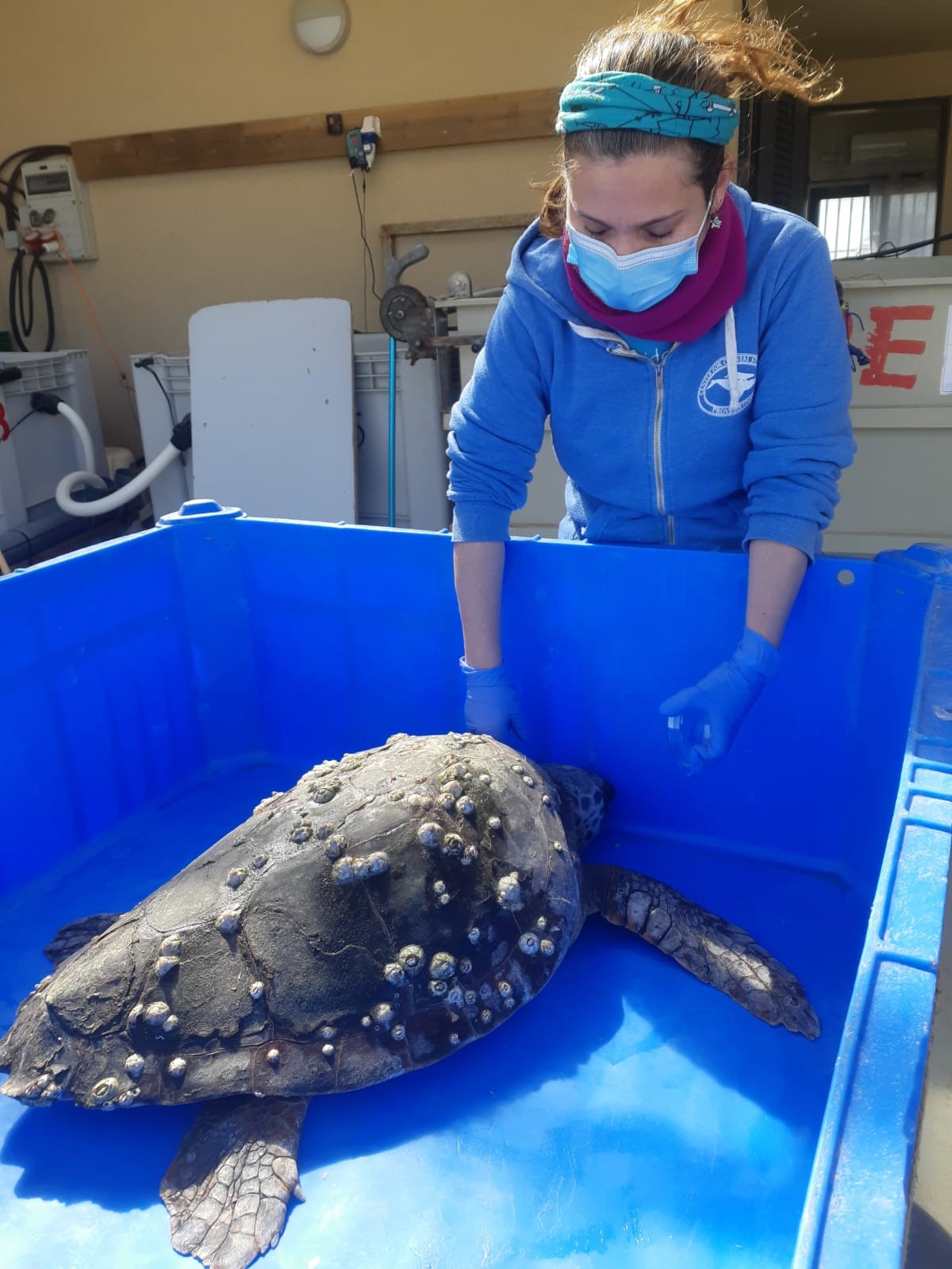
Published in the journal Total Environment Microbiology, the study presents alarming evidence about the state of the Mediterranean Sea in the region. An exceptionally high rate of antibiotic-resistant bacteria was found in loggerhead and green sea turtles undergoing rehabilitation at the Michmoret Rescue Center.
“Sea turtles serve as a natural warning sign for the condition of our marine environment — when they show such high levels of resistance, it’s a clear indication that the marine system in our area is absorbing pollution originating from human activity,” said Dr. Danny Morick, a marine veterinarian and researcher at the Morris Kahn Marine Research Station of the Leon H. Charney School of Marine Sciences at University of Haifa and one of the study’s authors.
Sea turtles are regarded as important bioindicators of marine environmental health due to their long lifespan, long-distance migrations, and regular presence in sensitive coastal zones that are especially affected by human activity. They are prone to carrying various pollutants in their bodies — such as waste, heavy metals, and bacteria — and therefore provide vital information about environmental changes and the impact of anthropogenic pollution.
In this study, master’s student Vanessa Bachmann, Dr. Morick, Dr. Dalit Meron, Prof. Dan Tchernov (head of the Charney School of Marine Sciences), Dr. Yaniv Levy (director of the National Sea Turtle Rescue Center), and Drs. Shlomo Blum and Marcelo Fleker from the Bacteriology Laboratory at the Kimron Veterinary Institute in Beit Dagan examined for the first time the bacterial flora and resistance levels in injured sea turtles undergoing rehabilitation.
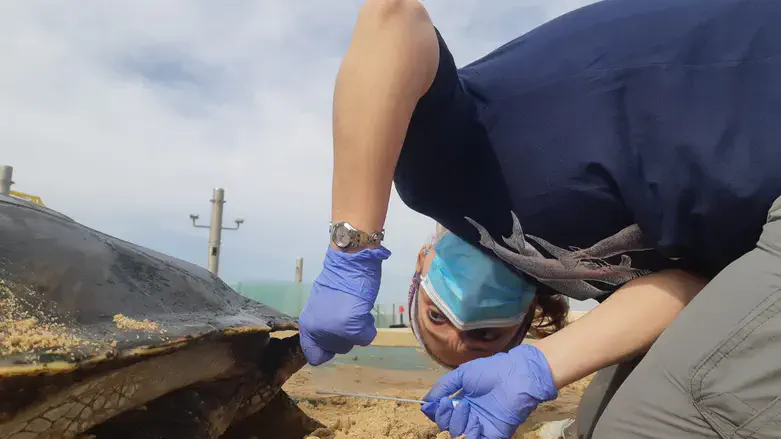
Samples were collected from the respiratory tract, skin, and digestive systems of 23 turtles treated between 2019 and 2021, many of whom had been injured by fishing hooks, nets, marine debris, or winter storms. From these samples, the researchers isolated 93 different bacterial strains, identifying species and resistance characteristics using bacterial cultures, genetic sequencing (16S rRNA), and antibiotic susceptibility testing.
The study found that three out of every four bacteria isolated from sea turtles along Israel’s coast were resistant to multiple antibiotics, a phenomenon known as multidrug resistance (MDR). Many of the bacteria belonged to genera such as Vibrio, Shewanella, and Psychrobacter, some of which can cause disease in marine animals and may even be transmissible to humans.
Antibiotic sensitivity tests revealed that approximately 95% of the bacteria were resistant to cefazolin, about 50% to ampicillin, and roughly 45% to amoxicillin-clavulanate—all antibiotics commonly used to treat human infections.
“These findings highlight how pollution from land sources can reach the sea, create resistant bacteria, and ultimately pose a risk that circles back to us,” said Dr. Levy. “Sea turtles provide a kind of window into what is happening beneath the surface of the marine environment, revealing processes that are otherwise very difficult to monitor. This is why it’s so important to continue observing the marine ecosystem and work to reduce the spread of antibiotic resistance before it ends up on our plates.”
According to the researchers, the findings further support the role of sea turtles as effective bioindicators for tracking the spread of antibiotic-resistant bacteria in marine ecosystems, alongside other pollutants already being studied in global environmental monitoring efforts.
“We need to develop systematic monitoring programs that collect reliable long-term data and examine the links between animal health, environmental conditions, and human health — an integrative approach known as ‘One Health,’” the researchers concluded. “Understanding resistance patterns can help us develop strategies to reduce pollution caused by human activity and contribute to preserving the balance of the marine ecosystem for future generations.”