
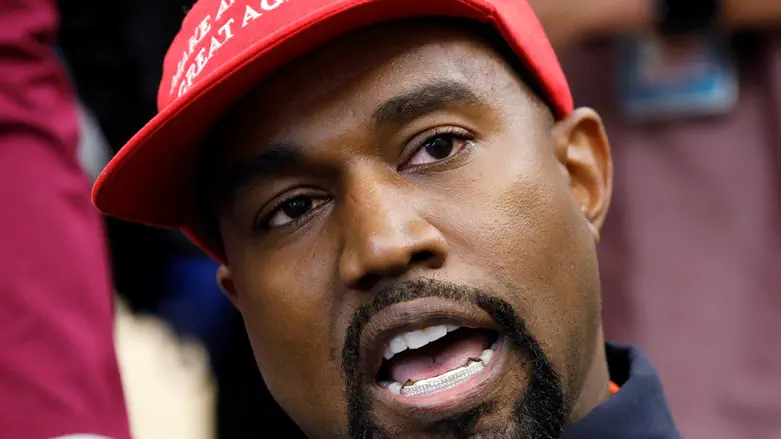
In a significant move, Australian authorities have announced that rapper Kanye West, who calls himself 'Ye,' will be banned from entering the country. This decision comes as a result of his controversial and antisemitic comments made in recent months, leading to widespread condemnation.
The decision follows a formal review process by Australia's immigration department, which took into consideration the negative impact West's statements could have on public safety and the country’s commitment to combating hate speech. West, who legally changed his name to Ye, had previously faced backlash from various quarters for remarks that were deemed as inciting antisemitism, racism, and hatred towards certain communities.
In response to the ban, Australian officials emphasized that the country has a firm stance against any form of hate speech and will not tolerate individuals who promote hate, discrimination, or violence. The Australian government’s decision is seen as part of a broader global effort to confront the normalization of such harmful rhetoric.
"Australia is a country that celebrates diversity, inclusivity, and respect for all people, regardless of their background," stated Australian Immigration Minister Andrew Giles. "We will not allow individuals who spread hateful ideologies to have access to our country. This ban serves as a clear message that we stand united against hate."
The decision has sparked mixed reactions. Supporters of the ban argue that West's harmful comments pose a threat to social cohesion and should not be given a platform. Critics, however, have voiced concerns about the implications of such decisions on freedom of speech, questioning the line between protecting public safety and restricting individual expression.
West's comments came after a series of controversial statements made during interviews and on social media platforms, including a tweet that was widely regarded as promoting anti-Semitic tropes. This led to several brands and organizations severing ties with the rapper, including major corporations such as Adidas and Balenciaga.
Despite the backlash, Kanye West continued to voice his opinions on various platforms, leading to further polarization on the issue. His statements have reignited debates surrounding the balance between artistic freedom and responsibility, particularly when it comes to public figures using their influence.
While West has not yet publicly commented on the Australian ban, the move adds to a growing list of countries and institutions distancing themselves from the rapper due to his controversial behavior and statements. The Australian decision is likely to reignite discussions on the role of celebrities in shaping public discourse and the responsibility that comes with their platforms.
In May, West publicly declared an end to his antisemitic rhetoric just hours after the deadly shooting attack in Washington DC in which Yaron Lischnisky and Sarah Milgram were murdered.
Though he did not directly mention the Washington attack, West shared eleven posts expressing remorse and a call for peace. Among his messages were "God forgive me for the pain I’ve caused" and "GOD CALLS FOR PEACE."