

The Mitzva We Observe But Don't Necessarily Understand
The Torah commands us to remember the incident of Amalek attacking the Jewish people as they left the land of Egypt. The incident involving Amalek was the first war that we fought, as the Jewish people. This specific incident, involving Amalek, is originally recorded at the end of Parashas Beshalach. The commandment of zechiras (remembering) Amalek, however, is found in Parshas Ki Teze, making it one of the 613 mitzvot of the Torah that is observed meticulously. This commandment is fulfilled through the reading of Parashas Zachor on the Shabbos prior to Purim. The Gemara suggests that certain events tend to fade from memory after twelve months; hence, this special annual reading is to ensure that we never forget this incident. To further motivate us not to forget what Amalek did to Israel, it is included as one of the six remembrances customarily recited after the morning prayers every day.
The Permeating Memory of Amalek
It is remarkable that although we take meticulous care to fulfil all the technical components of this mitzvah annually, on a daily basis we remain numb to the ever-relevant messages of this mitzvah.
Amalek Throughout Generations
Hagaon Rabbi Yosef Soloveitchik asserted that anyone in any generation who has a mission to destroy the Jewish people carries the status of Amalek. Amalek isn't necessarily a member of a biological family.
Lessons from the Battle of Amalek
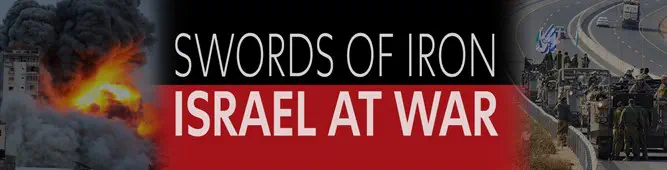
There are noteworthy parallels between the Battle of Amalek and a recent attack: both were surprise assaults (אשר קרך בדרך), targeting the vulnerable (ואתה עיף ויגע), with motives primarily fueled by hatred. Just as there exists a mitzvah to commemorate the conflict with Amalek, it's imperative to extract valuable lessons from the past to better prepare for the future. Those who neglect history risk repeating its mistakes. Here are some key takeaways from the Battle of Amalek that remain pertinent today:
The Role of Faith (Emunah)
The Mishna in Rosh Hashanah Mishna Rosh Hashana 3:8: discussed how the outcome of the battle between the Israelites and the nation of Amalek was affected by Moses' actions. Specifically, it mentions that when Moses raised his hands toward the heavens, the Israelites were victorious in the battle. The Mishnah asks:
וְכִי יָדָיו שֶׁל משֶׁה עוֹשׂוֹת מִלְחָמָה
Did the hands of Moshe make war?
and replies that it wasn't Moshe's raised hands that won the war. Instead:
כָּל זְמַן שֶׁהָיוּ יִשְׂרָאֵל מִסְתַּכְּלִים כְּלַפֵּי מַעְלָה וּמְשַׁעְבְּדִין אֶת לִבָּם לַאֲבִיהֶם שֶׁבַּשָּׁמַיִם
When his hands were raised, the people looked to Heaven and had emunah in Hashem.
In our current era, it is imperative to strengthen our faith (emunah) in Hashem. Imagine faith as a window through which we observe G-d's involvement in our lives. Sometimes, His guidance is crystal clear AND we can see Hashem's hand as if He is watching over us through the window.
However, at other times, His actions are veiled. Times when G-Dis only…מֵצִיץ מִן הַחֲרַכִים שה“ש ב‘ ט)) "peaking through the latticework." He is still watching over us. Emunah is belief when we do not understand the actions of G-d, nor the mitzvot He commands us to perform.
This paradox of faith and understanding is exemplified by Avraham Avinu, as this week's Torah portion tells us of his unwavering trust in G-d's command to offer his son Yitzchak as a sacrifice. Despite the apparent contradiction between the promise of Yitzchak continuing Avraham's heritage and the command to sacrifice him, Avraham believed in G-D wholeheartedly.
To quote the late Chief Rabbi Jonathan Sacks: "Faith is not certainty; it is the courage to live with uncertainty. Faith does not mean seeing the world as you would like it to be; it means seeing the world exactly as it is, yet never giving up the hope that we can make it better by the way we live – through acts of chein and chessed, graciousness and kindness, and by forgiveness and a generous spirit."
Balancing Strength and Peace
The two leaders who supported Moshe Rabeinu during the battle against Amalek were Aharon and Chur. Chur exemplified leadership with toughness, demonstrating unwavering resolve in the face of challenges and threats, while Aharon represented strong values and a commitment to peace. We need to embrace both of these qualities: the strength to confront challenges and a deep yearning for peace. Just as Aharon and Chur each embodied distinct attributes during the battle against Amalek, it highlights the necessity of balancing these qualities. This underscores the idea that peace should not come at any cost.
Participating in the Pain of Others
G-d chooses to introduce Himself to Moshe and the Jewish people in a burning bush (Shemos 3:2). Why not a fir tree? Why not a mighty oak? Why not a cedar tree? Why a thornbush? Rashi explains that He presented Himself as a bush, and not as any other tree, to convey the message: "I am with them in their time of trouble" (imo anochi b’tzarah). Hashem also feels the pain of Am Yisrael. As it is written in Yeshayahu 63:9: "In their affliction, He was afflicted."
Rashi tells us that during the war against Amalek, Moshe didn't sit on a cushioned chair but on a rock because he wanted to identify with the suffering taking place on the battlefield. We too should strive to feel the suffering and pain of our brothers and sisters in Israel
"להשתתף בצערם", "L'hishtatef b'tzar'am" means participating in their pain. Participating in the pain of others conveys a closeness to a friend's heart, the ability to feel their pain and suffering, and to bear their burden as if it were our own suffering, which is a G-dly quality!
The Chafetz Chaim, may his memory be a blessing, did just that during the years of World War I. He never went to his bed at night, not even for one night, and would sleep his short rest on the floor. When those close to him tried to dissuade him from this practice due to his weakness, he firmly replied: "How can I enjoy a comfortable night's sleep in my bed while thousands of our Jewish brothers, our flesh and blood, are fighting for their lives on the battlefield, and countless Jews are being pursued and exiled from their homes, suffering and in distress, facing life-threatening danger?!"
Extending Acts of Kindness
"L'hishtatef b'tzar'am" doesn't merely involve saying, "Ani mishtatef b'tzarecha," I share your pain - but it entails actively engaging in actions to support and share in the profound challenges faced by countless parents, wives, and children whose lives are adversely affected in various ways. We should all strive to "l'hishtatef b'tzar'am" and endeavor to alleviate their suffering by extending a helping hand in every way possible. There are many forms of gemilut chasadim (acts of kindness). They all require our participation. Most acts of kindness are performed outside of the home. With "hachnasat orchim," as taught by Avraham in this week's parsha, we share ourselves and our home. That is a form of "l'hishtatef b'tzar'am."
Hope for the Future
If, up until this point, our remembrance of "Amalek" has been a fulfilling a mitzva without a deep understanding of its significance, it is imperative to recognize that the importance of this mitzva should not be underestimated but fully appreciated. Ultimately, Amalek did not succeed, we emerged victorious from battle. Perhaps that's also a message of this mitzva: Those who seek to destroy us, will, b'ezrat Hashem, not prevail.
Embracing Unity and Peace
As for the future, may the unity that currently exists continue, for we have learned that without "shalom" (peace) among ourselves, we will be vulnerable to external enemies. In upholding the lessons from the story of Amalek and embracing the values of unity and peace, we strengthen our resolve as a community, and through the performance of this mitzvah inspire generations to come.
The author, Rabbi Eliezer Simcha Weisz, is a member of the Chief Rabbinate Council of Israel.