

India imposed a lockdown two weeks ago in an effort to contain the coronavirus outbreak. At that point, on March 24, the country with a population of 1.3 billion had just 469 known cases and 10 fatalities. Those numbers have since risen to 4,778 cases and 136 deaths, but few believe that this represents the true extent of the crisis there.
Indian Prime Minister Narendra Modi announced the lockdown on a Tuesday night and gave his country’s citizens just four hours to prepare for a 21-day closure. For hundreds of thousands of migrant workers suddenly made unemployed by the edict, this was potentially a disastrous policy, as many of these workers immediately set out for their native villages – on foot, as public transportation had been abruptly halted.
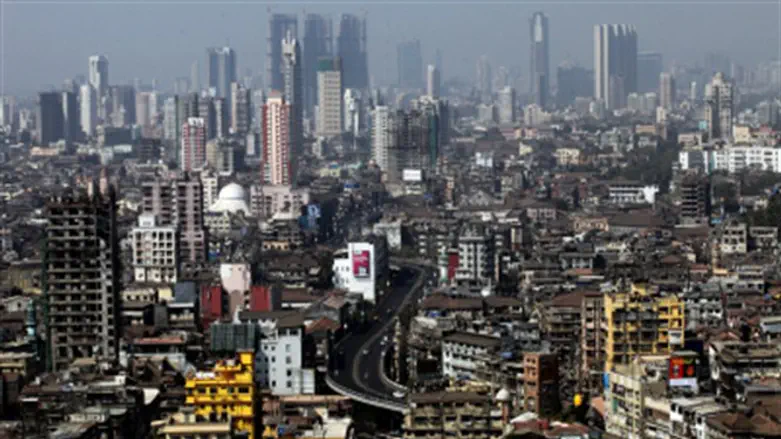
Now, a 56-year-old man from Mumbai has just died of coronavirus, and according to The Guardian, there are fears that this will be the first in a huge spike in cases in the slum area where he lived – home to almost a million residents living in cramped and unsanitary conditions, most without running water in their homes let alone plumbing.
It is believed that the man contracted the virus from members of an Islamic sect who were guests in his home shortly after attending a religious gathering in Delhi. Hundreds of coronavirus cases were later linked to the sect.
Following his death, Indian authorities sealed off the victim’s neighborhood and all those living in his immediate vicinity were tested for the virus. But the new hospital set up in the neighborhood to treat coronavirus cases has just 51 beds, only eight of which are equipped for critical care. A report in The Guardian quoted a local municipal officer who said that the disease could “spread like wildfire” in a place where “it is very difficult to stay safe from a coronavirus-infected neighbor in this incredibly congested slum.”
The report added that many of the slum’s residents are terrified of being infected, quoting a Muslim resident who said that many local mosques were using their public announcement system to spread awareness of the virus. But many of the measures being suggested – frequent hand-washing and social distancing – were simply impossible given the conditions, and many of the area’s impoverished continued to gather in large numbers in places where food donations are handed out – as the alternative is staying home and starving.