
A woman injured during a Red Alert siren triggered by rocket fire from the Gaza Strip sought NIS 5 million in compensation from the Palestinian Authority after being recognized as a victim of terrorism and assigned a permanent disability rating.
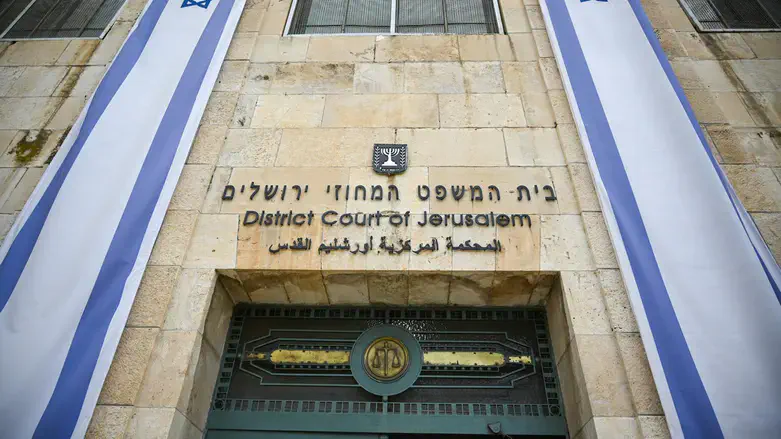
However, in recent weeks, the Jerusalem District Court ordered her lawsuit struck out because no direct link had been demonstrated between the Palestinian Authority's policy of payments to terrorists and the incident in which she was injured.
Attorney Yana Mano, who represented the woman, told Arutz Sheva in an interview that other terrorism victims seeking to sue the Palestinian Authority face the same legal obstacle. According to Mano, about 20 lawsuits filed by her office have already been struck out on similar grounds.
Mano explained, "The argument was that the Palestinian Authority pays security prisoners and their families, but the court ruled that establishing that a terrorist incident occurred is not enough, and that a specific link must be proven between the case in question and the payment policy".
She argues that the Palestinian Authority's payment policy covers terrorists from all terrorist organizations, including Hamas, and that it should therefore also be held liable for terrorist acts carried out from territories outside its control. In her understanding, Israeli law does not require proof of a direct link between the Palestinian Authority and every terrorist act for which compensation is sought.
According to Mano, the main difficulty is that the court requires victims to present evidence linking the Palestinian Authority to the incident in which they were injured, but does not clarify what evidence would suffice. In cases involving rocket fire from the Gaza Strip, where those responsible for the launches cannot be identified, she says this requirement is impossible to meet in practice.
The lawsuit in question was struck out before a hearing involving the Palestinian Authority's legal representative took place. However, Mano notes that because the claim was struck out rather than dismissed on its merits, it can still be amended and refiled. The remaining difficulty, she says, is understanding what amendments and evidence would allow the case to be heard in court.