

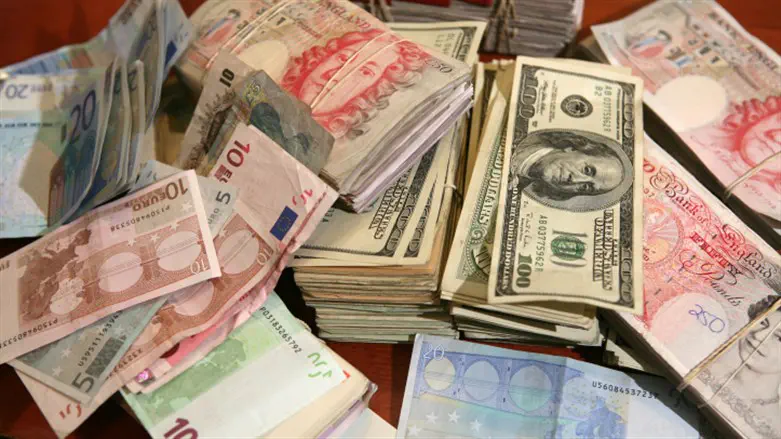
There is something comforting about having money sitting in your bank account. You can see it, access it whenever you need it and feel a little more secure knowing it is there.
But keeping too much money in cash can quietly become an expensive habit. The problem is that money does not have to disappear to lose value. Sometimes, it simply buys less than it used to.
Inflation takes a quiet bite
When prices rise, money's purchasing power falls. The amount that comfortably covered your groceries, transport and household bills last year may not go nearly as far today.
The United Nations estimated that global inflation averaged 3.4% in 2025, down from 4.0% in 2024.
Your bank balance may look unchanged, but what it can buy is not.
The money you are not putting to work
Another cost of holding too much cash is the return you miss out on.
There are several ways to put savings to work, depending on your financial goals and risk appetite. These include treasury bills, money market funds, fixed deposits, shares and property.
If you’re someone considering real estate, researching a development such as One Chuan Grove or visiting a One Chuan Grove showflat may be part of exploring the market. But the important thing is to understand the investment, not simply rush to buy because cash feels unproductive.
Property can appreciate, but it can also tie up money for years and come with maintenance costs, taxes and periods without rental income.
Cash can lose value against other currencies
For people saving in currencies under pressure, another concern is exchange-rate movements.
Exchange-rate movements can reduce what local currency savings are worth when measured against foreign currencies. This matters if you have future expenses involving imported goods, overseas education, travel or international business.
Keeping all your savings in one currency can leave you exposed to changes beyond your control.
You also miss out on compounding
One of the biggest advantages of investing early is compound growth. Your returns can begin earning returns of their own.
For example, an investment of $1 million earning an illustrative 10% annually could grow to about $1.61 million after five years, assuming returns are reinvested and there are no fees or taxes.
That is not a guaranteed return. It simply shows what can happen when money is given time to grow.
So, should you stop keeping cash?
Absolutely not.
You need cash for emergencies, everyday expenses and unexpected situations. A common recommendation is to keep three to six months of essential expenses in an accessible emergency fund, although the right amount depends on your circumstances.
The problem is keeping far more than you need in an account that offers little return.
The real cost of doing nothing
There is a difference between being financially cautious and being so cautious that your money never has an opportunity to grow.
Cash offers convenience and security, but it is not always a good long-term store of value. Inflation, currency movements and missed investment returns can gradually weaken your financial position.
Sometimes, the biggest financial mistake is not losing money through a bad investment. It is leaving too much of it sitting still while everything around it becomes more expensive.