

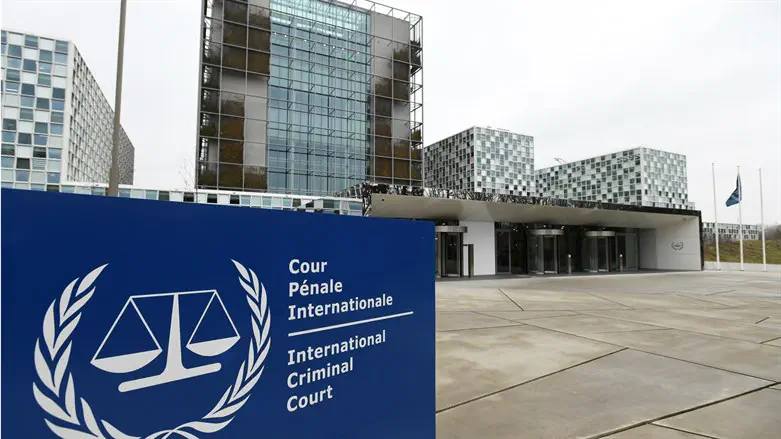
Tajikistan has formally notified the International Criminal Court (ICC) of its decision to withdraw from the tribunal, dealing another blow to the institution amid a US-led campaign encouraging countries to abandon it.
The announcement, confirmed Monday by the presidency of the ICC's Assembly of States Parties, makes Tajikistan the fourth country to initiate withdrawal since the Trump administration launched its campaign to dismantle the court in July.
Tajikistan joins Chad, Venezuela, and the Pacific island nation of Naoero, formerly known as Nauru, which have also announced their departure following Washington's diplomatic initiative.
Burkina Faso, Mali, and Niger announced similar decisions in 2025, accusing the court of serving as an instrument of "neocolonial repression."
Tajikistan submitted its formal notification on November 20. Under the Rome Statute, withdrawal takes effect one year after notification, meaning the country's departure is scheduled for November 20, 2027.
Tajikistan signed the Rome Statute in 1998 and ratified it in 2000.
The decision follows tensions between Tajikistan and the ICC over Russian President Vladimir Putin's visit to the country in October 2025.
The court criticized Tajikistan in March 2026 for failing to arrest Putin, who has been subject to an ICC arrest warrant since March 2023 over allegations involving the unlawful deportation of Ukrainian children. Moscow rejects the court's jurisdiction.
Responding to Tajikistan's withdrawal, the presidency of the Assembly of States Parties expressed concern and warned that countries leaving the treaty could damage international efforts to pursue accountability.
"Decisions by States Parties to disengage from the Rome Statute risk undermining the collective pursuit of justice and weakening global efforts to end impunity," the presidency stated.
It urged Tajikistan to reconsider and continue participating in the Assembly, emphasizing that withdrawal does not eliminate obligations incurred while a country was a member.
The European Union also condemned the decision, describing the ICC as a central institution in the international criminal justice system.
"The EU strongly encourages Tajikistan to reconsider this decision and to reverse the withdrawal," the bloc said in a statement.
The EU reaffirmed its support for the court and called on member states to cooperate with its investigations and safeguard its independence.
The latest withdrawal comes as the Trump administration intensifies its pressure on the ICC. Washington has imposed sweeping sanctions on the court, targeting its operations amid disputes over investigations involving American and Israeli officials.
The ICC, established under the 1998 Rome Statute, prosecutes individuals accused of genocide, war crimes, crimes against humanity, and aggression when national judicial systems are unable or unwilling to act.
The court currently has 125 member states, including seven countries that have initiated the year-long withdrawal process. The United States, Israel, Russia, and China are not members.