

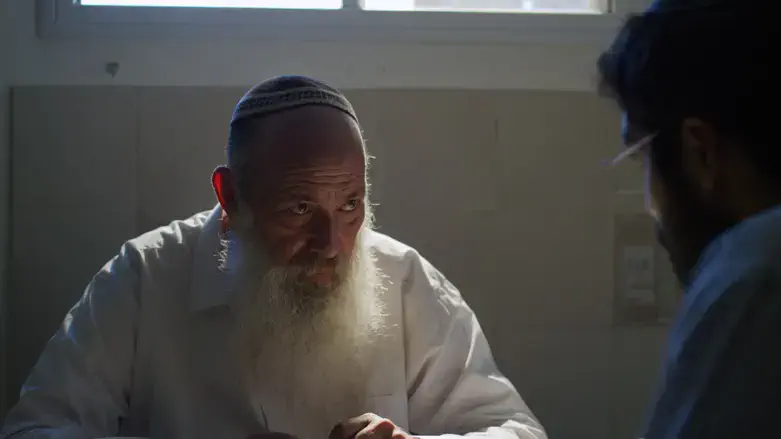
The seventh Shomron Film Festival will take place from December 23 to 28, 2026, featuring screenings, premieres, and cultural events at more than 20 locations across Samaria.
Organized by the Shomron Community Center with support from the Samaria Regional Council, the festival will bring together filmmakers and audiences for film screenings, discussions, workshops, and competitions.
The opening ceremony at the Ariel Performing Arts Center, hosted by actor Danny Steg, will feature a preview screening of "Erased Card," directed by Erez Hadad and produced with support from the Shomron Film Fund. The film stars Shuli Rand, who will attend the event.
Rand, an acclaimed actor, musician, and artist, will receive a lifetime achievement award during a special tribute celebrating his career. The program will also include screenings of "Ushpizin," which Rand created with director Gidi Dar, and "The Unorthodox," directed by Eliran Malka.
Throughout the festival, communities across Samaria will host film screenings followed by discussions with their creators.
A screening of "The Boy Is Gone" will be followed by a conversation with filmmaker Nati Levinger, while "Crossings" will feature a discussion with director Maya McManus Ronen and a kibbutz resident. A screening of "My Dear Son" will be followed by a discussion with filmmaker Noam Demsky.
The Ariel Performing Arts Center will also host filmmaker panels, cocktail receptions, and a "Making Of" workshop examining the challenges and creative process of producing a low-budget feature film.
The festival's competitions will feature three categories: Israeli and international feature-length documentaries, Israeli narrative shorts, and international narrative shorts.
The international competition will showcase 11 new films selected from approximately 400 submissions representing 57 countries. The lineup, which includes productions from China and the Netherlands, spans realist drama, stop-motion animation, and experimental cinema.
The selected films explore a broad range of personal and social themes, including mental health, loneliness, refugees, displacement, family relationships, and the lives of marginalized individuals.
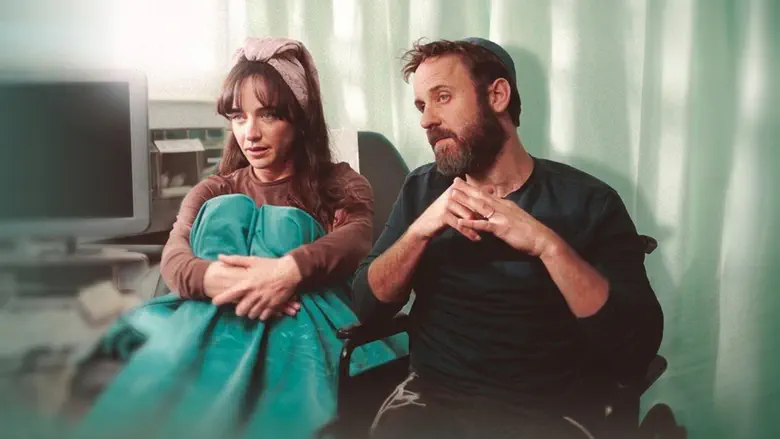
A major focus of this year's festival will be new productions supported by the Shomron Film Fund and works created by filmmakers living in Judea and Samaria.
The films, including documentaries and narrative shorts, will premiere during the festival, compete for awards, and be accompanied by discussions with their creators.
Seven of the nine local productions were directed by women, several of whom have also had their work selected for other major film festivals. Many of the films feature compelling female protagonists, while several examine the impact of the October 7 attack and its aftermath.
Among the featured works is "Mikveh," a short drama directed by Tal Kushnir and starring Einat Holland and Yoel Rozenkier.
The program also includes "To Sleep One Night," a short thriller by Liel Sharon Gur, and "Terror Model," a documentary by Chen Klein about Yael Shevach, a widow and opinion writer.
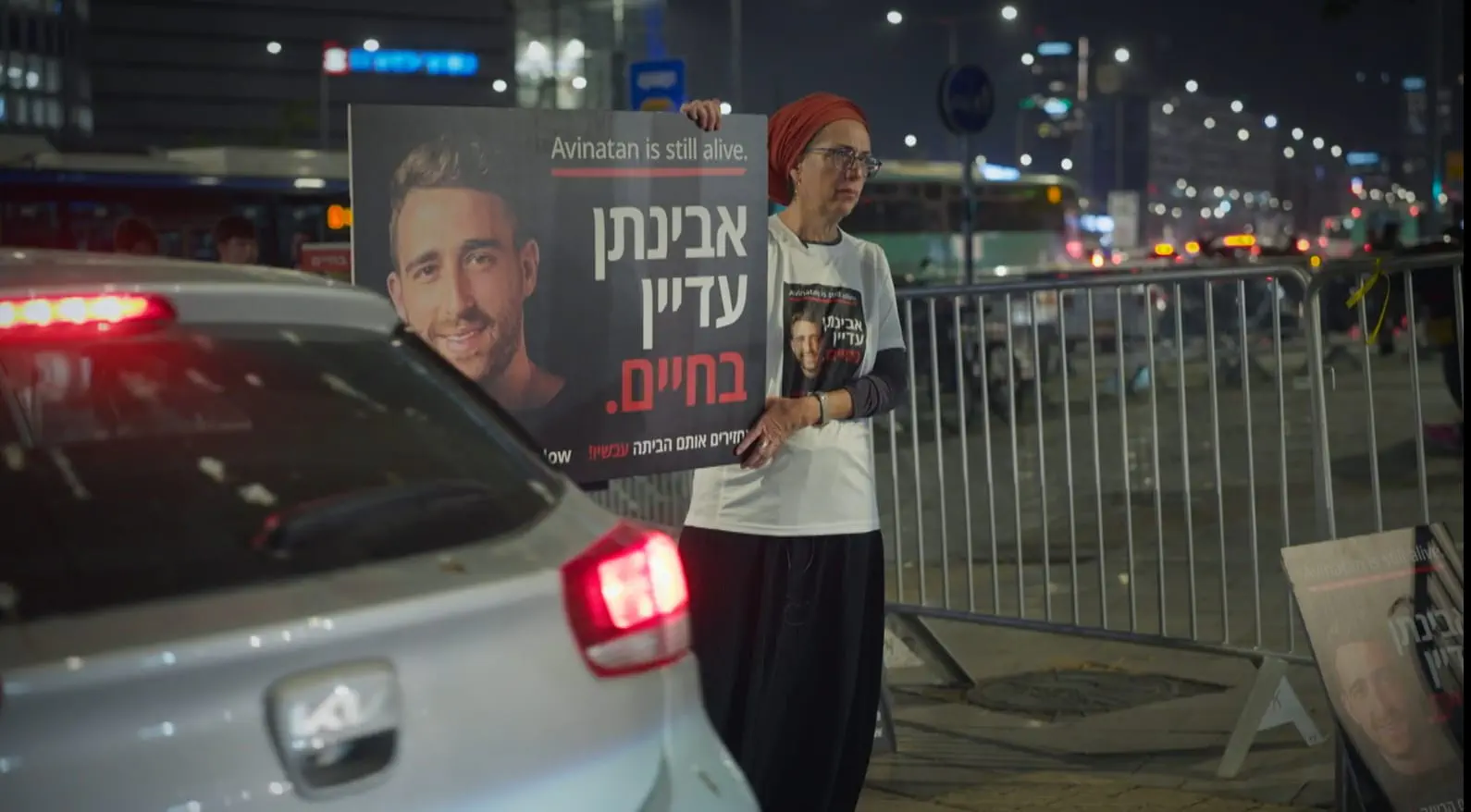
Another documentary, "Why Are You So Autistic," was created by Yehudit Pesel and Eli Zinger. "Captive After Him," directed by Michal Katz, tells the story of Ditza Or, whose son Avinatan Or survived captivity in Gaza.
"Fortified," a documentary by Atiya Zar (Levinger) and Shira Billig Alters, revisits Zar's childhood as the daughter of Rabbi Moshe Levinger and Rabbanit Miriam Levinger. The film recounts the period when she and her mother barricaded themselves inside Beit Hadassah in Hebron.
Another documentary, "The Boy Is Gone," directed by Nati Levinger, follows the sister of Elyakim Libman during the campaign for his return. Initially believed to have been taken hostage to Gaza, Libman was later confirmed to have been murdered during the October 7 attack.
Two additional narrative shorts will be screened: "A Good Father," directed by Eliyahu Shaz and starring Daniel Litman and Shlomo Vishinsky, and "For the Glory of the State of Israel," directed by Dubi Rosenberg.
Beyond its competitive program and local premieres, the festival will offer a selection of feature films from Israel and abroad, family films, animated favorites, and cinema classics.
A separate competition will showcase films created by students enrolled in film programs within Israel's state-religious education system.
Samaria Regional Council head and Shomron Film Fund chairman Yossi Dagan welcomed the growth of the region's film industry.
"Samaria has become a significant and influential player in Israel's cultural and cinematic landscape. More and more filmmakers and industry professionals are discovering the local cinematic and artistic potential and choosing to bring diverse productions and works to the region," he said.
"The Shomron Film Festival, where this year we will salute the great Shuli Rand and enjoy outstanding local work, is another expression of this cultural momentum. It opens a window onto new worlds of content, introduces audiences to quality cinema from Israel and around the world, and establishes Samaria as a leading region in filmmaking and creative work."
Festival CEO Esther Allouche emphasized the prominence of women filmmakers in this year's program and the festival's role in bringing diverse stories to audiences.
"Art in general, and cinema in particular, opens a gateway to stories from unfamiliar places through a human, heartfelt perspective. Through the fascinating, moving, and diverse artistic program we have curated, Samaria presents its cultural and open face as a place where original art is created alongside compelling world cinema," she said.
"This year we are enjoying exceptional work by women and have the privilege of presenting no fewer than six premieres by women filmmakers from communities in Judea and Samaria. Almost all tell the unique stories of heroic women in Judea and Samaria, alongside a diverse selection of cinema from Israel and around the world."
Elad Mukdes, director of the festival's international program, highlighted the diversity of countries, genres, and perspectives represented in the competition.
"The international program gives us an opportunity to glimpse different countries, languages, and genres through the eye-level perspectives of filmmakers from around the world. Once again this year, we have been fortunate to receive enthusiastic submissions of distinctive films with clear, personal voices, bringing contemporary and intriguing world cinema to the screen," he said.
"I invite audiences to come with an open mind for a cinematic and human journey consisting entirely of Israeli premieres."