

Iran is facing the prospect of widespread natural gas shortages this winter as damage from US military strikes compounds an economic crisis already aggravated by inflation, unemployment and the blockade of its ports.
According to Reuters, Iranian authorities have warned that most parts of the country could experience disruptions to gas supplies in the coming months, with the expected shortfall substantially exceeding last winter's levels.
Government spokesperson Fatemeh Mohajerani said the anticipated shortage could reach 430 million cubic meters, compared with 300 million cubic meters last year.
Iran's national gas company attributed the deteriorating situation to damage sustained by four gas processing facilities during the early stages of the war. Although repairs are underway, a senior Iranian official told Reuters that the measures currently being implemented offer only temporary solutions.
The official said authorities have held repeated discussions about managing the expected winter crisis. Another senior Iranian source disclosed that Tehran is negotiating with Russia over potential gas imports.
Despite possessing substantial natural gas reserves and sharing the world's largest gas field, Iran has struggled in previous years to meet domestic demand. Aging infrastructure and international sanctions have contributed to recurring supply difficulties, which have been intensified by the war.
Two Iranian officials, including a security official, told Reuters that the leadership is increasingly concerned about the possibility of public dissatisfaction developing into unrest.
According to the report, intelligence agencies are closely watching for signs of organized opposition, amid suspicions that Washington could attempt to encourage demonstrations against the government.
There have been no significant anti-government protests since the war began on February 28 with US and Israeli strikes that killed Supreme Leader Ayatollah Ali Khamenei. However, officials remain concerned about tensions following the suppression of widespread demonstrations last winter.
One senior official described the growing economic frustration as a potentially dangerous situation, with deteriorating living conditions placing increasing pressure on the population.
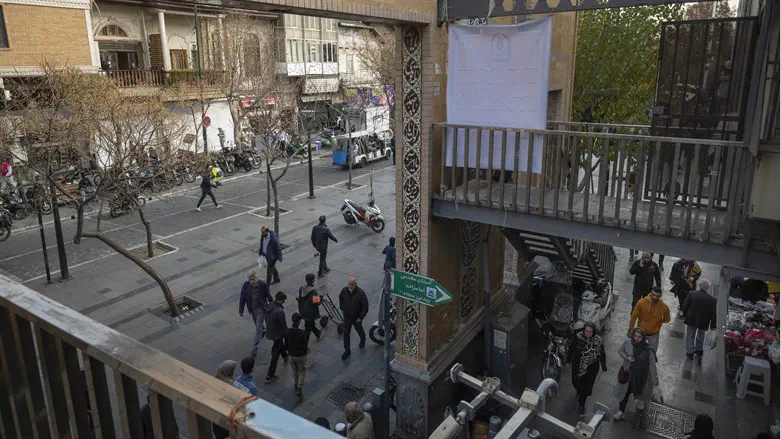
The report also described the difficulties facing ordinary Iranians, including workers and business owners struggling with high prices and uncertainty over energy supplies.
Seyyed Ahmad Seyyedi, a street vendor, said an interruption to gas supplies would force him to suspend his business.
Mina Lahrasabi, 65, who works at a rice processing facility near the Caspian Sea, called for the war to end, saying the combination of rising living costs and continued fighting had made everyday life increasingly difficult.
In Tehran, heating equipment salesman Amin Sha'bani said customers were considering switching from gas-powered appliances to electric alternatives. However, he explained that many households could no longer afford either option.
Iranian analyst Saeed Leylaz described the current restrictions as the most severe blockade the country has experienced since the Islamic Revolution.
He warned that gas supplies to industrial facilities might eventually need to be temporarily suspended if shortages become particularly serious, although he said the country had not yet reached that stage.
Not all Iranians interviewed by Reuters expressed the same level of concern.
Reza, a 45-year-old resident of Urmia in northwestern Iran, said his family had purchased three electric heaters as a precaution but that people around him were not particularly worried about possible interruptions.
Zahra Hosseini, 44, an employee of a food company in Tabriz, similarly indicated that inflation and other financial difficulties were already placing such a heavy burden on households that the prospect of additional energy shortages was not their most immediate concern.
The looming winter shortages add to the economic difficulties confronting Iran as its leadership maintains its position in the conflict with the United States despite mounting domestic pressure.