
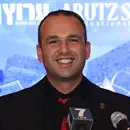

As the 26th Knesset opened, UTJ MK Meir Porush advanced two bills intended to regulate the status of yeshiva students with the military recruitment authorities and halt arrest proceedings and criminal enforcement against draft evaders. MK Elyakim Stark (UTJ) has joined as a co-sponsor of the bills, which were tabled when the Knesset was constituted.
The initiative involves two legislative tracks: a permanent arrangement allowing yeshiva students to defer military service until the age of exemption, and a temporary provision prohibiting arrest, investigation and enforcement proceedings for one year against students who meet its conditions.
Under the bill regulating the status of yeshiva students, the defense minister would be authorized to issue a service deferment order to a yeshiva student who regularly studies at least 45 hours a week. For married students studying in a kollel, the minimum requirement would be 40 hours a week.
A service deferment order would be issued for no more than one year at a time and could be renewed subject to the student's continued compliance with the conditions. The proposed arrangement would allow service deferments to continue until age 26, when the defense minister would grant a full exemption from compulsory military service.
One of the bill's central provisions concerns yeshiva students left without a legal framework governing their status after the previous law expired. Porush and Stark are seeking transitional provisions that would also address proceedings initiated during that period.
Under the proposal, a yeshiva student who met the required study conditions before the new law took effect would not be prosecuted for failing to report for military service. If legal proceedings had already been initiated against him, or a judgment had been issued in his case, the proceedings or enforcement of the judgment would be halted immediately.
The proposal would also allow yeshiva students to apply for a service deferment even if they did not complete registration procedures during the period when no legal arrangement governed their status.
Alongside the permanent arrangement, Porush and Stark submitted a separate, urgent bill, known as the "Arrest Freeze Bill." It would establish a one-year temporary provision intended to bring an immediate halt to enforcement proceedings against yeshiva students classified as draft evaders, even before the broader legislation is completed.
Porush's office explained that the decision to submit both bills at the opening of the new Knesset was intended to place the status of yeshiva students at the top of the parliamentary agenda.