

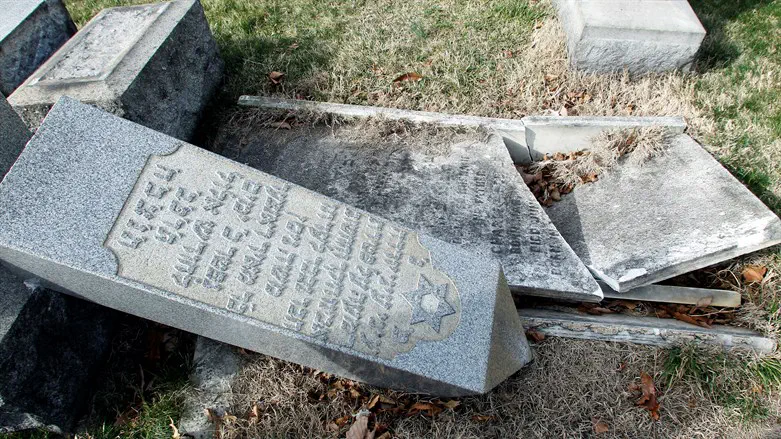
Major League Baseball legend Reggie Jackson, known as 'Mr. October' for his World Series performances, condemned antisemitism in the Philadelphia area in a post on X, expressing anger over the rise in antisemitic incidents in the region where he was born and calling on local leaders to take a clear stand against hatred.
"It is heartbreaking to see antisemitism in my hometown," Jackson wrote. "I was born in Wyncote, near Philadelphia, and it makes me angry and ashamed to see hatred tolerated there."
Jackson cited figures from the Anti-Defamation League (ADL), which recorded 465 antisemitic incidents across Pennsylvania in 2024, an increase of 18% compared to the previous year. According to the figures he shared, 189 incidents were recorded in Philadelphia and 51 in Montgomery County.
The incidents included harassment, vandalism, and assault, although Jackson emphasized that not all were classified as criminal offenses.
Jackson also highlighted the impact of antisemitism on Jewish Americans, citing a 2025 survey in which 79% of respondents expressed concern about antisemitism, while 52% said they had feared for their personal safety because of their Jewish identity. Nearly half reported taking additional measures to protect themselves.
He further referenced research indicating that exposure to hatred can negatively affect psychological well-being, reinforce stereotypes, and undermine trust between different communities.
Drawing on his personal experiences, Jackson compared the antisemitism he described to the racial discrimination he encountered during the 1960s.
"It takes me back to the racism I experienced in the 1960s," he wrote, recalling segregationist signs in the American South, including those separating bathrooms and drinking fountains for Black and white Americans, as well as signs indicating that Black people could be denied service.
"I remember what that hatred looked and felt like. We cannot accept it in any form, directed at any people," Jackson stressed.
The baseball legend expressed regret that he could not personally join those protesting against hatred and directed a series of questions at Philadelphia's political and community leadership.
"I wish I could be there to stand with those protesting HATE. I am asking elected officials and other leaders in Philadelphia: Where are the clear statements condemning antisemitism?" he wrote.
Jackson warned that failing to challenge hateful rhetoric could contribute to an atmosphere in which hostility becomes normalized.
"When hateful language is excused or repeated, it can make hostility seem acceptable and deepen fear and division," he stated.
He urged public officials to deliver an unequivocal message against antisemitism and other forms of hatred.
"Leaders should speak plainly and consistently: antisemitism and hate have no place in our communities," Jackson wrote.
He concluded his post with an emphatic appeal: "What the hell? We have to speak up."