

At least 25 flights across Europe were affected by bomb threats on Thursday morning, with several aircraft diverted from their destinations and others escorted by military fighter jets.
The threats affected airlines operating in countries including Ireland, Bulgaria, Spain, Italy, the Czech Republic, Poland, Romania, and Denmark.
Bulgarian authorities reported that fighter jets escorted three passenger aircraft following security alerts. Two Ryanair flights traveling to Sofia from Copenhagen and Madrid reached their intended destination, while another flight from London was redirected to Plovdiv.
In Spain, the Guardia Civil reported receiving three threatening emails within approximately 20 minutes, beginning around 9:00 a.m. local time. The warnings concerned Air Europa flights departing Madrid for Paris and Iberia services arriving from Italy. Several planes were held on the ground or returned to parking positions for security inspections, with passengers evacuated as a precaution.
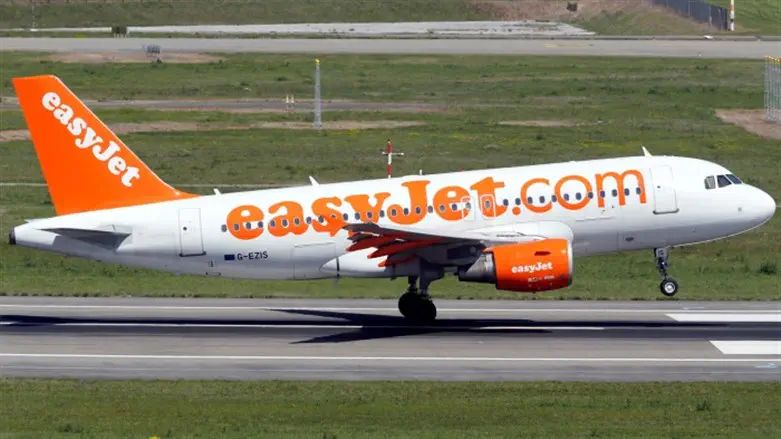
Four EasyJet flights arriving in Prague from Britain, Ireland, and Greece landed without incident despite receiving threats. Czech authorities determined that the warnings presented a low level of credibility.
In Italy, military aircraft accompanied a Finnair flight from Helsinki to Rome, where it landed as scheduled. Another Finnair service, operated by Jettime, reached Vienna safely. Italian media also reported that two aircraft landed safely in Milan following similar alerts.
Polish carrier LOT confirmed that a flight from Warsaw arrived in Brussels after a security warning. Another LOT aircraft preparing to depart Warsaw for Paris was stopped before takeoff, and its passengers were moved to a replacement plane.
A Wizz Air flight originating in Milan landed safely in Bucharest, according to Romanian intelligence officials. Reports in Italy indicated that another Wizz Air service traveling from Milan to Warsaw was redirected to Vienna.
Irish airline Aer Lingus confirmed that its Dublin-to-Rome flight landed safely at Evreux airport, west of Paris.
In Copenhagen, Danish military explosives specialists examined two aircraft but found no explosive devices.
Authorities have not identified those responsible for the threats. The incidents occurred amid accusations by several European governments that Russia has been involved in sabotage and other forms of hybrid warfare. Moscow has denied such allegations.
Speaking to Reuters, Eric Schouten, head of aviation security group Dyami, raised the possibility that the incidents could form part of a broader hybrid warfare campaign, noting that many affected countries have supported Ukraine.
Eliran Almog, CEO of aviation cybersecurity company Cyviation, told Reuters that repeated threats could be intended not only to interrupt airline operations but also to examine the responses of carriers, airports, and security agencies.
Thursday's incidents followed another series of threats on Tuesday involving at least seven aircraft and a cruise ship. No explosives were discovered in those incidents.