

The US Supreme Court on Monday rejected an attempt by Khalid Sheikh Mohammed, the alleged mastermind of the September 11, 2001, terrorist attacks, to reinstate a plea agreement that would have allowed him to avoid the death penalty.
The justices declined to review appeals filed by Mohammed and two co-defendants, Mustafa al Hawsawi and Walid bin 'Atash, challenging the cancellation of plea agreements reached with military prosecutors in 2024.
Under the agreements, the three defendants would have pleaded guilty in exchange for being spared capital punishment. However, former Defense Secretary Lloyd Austin, who served under President Joe Biden, revoked the deals just two days after they were approved.
The Supreme Court's refusal to intervene leaves intact a federal appeals court ruling that upheld Austin's authority to cancel the agreements.
The decision represents another significant development in the prolonged prosecution of the September 11 suspects, whose cases have remained entangled in legal proceedings for more than two decades.
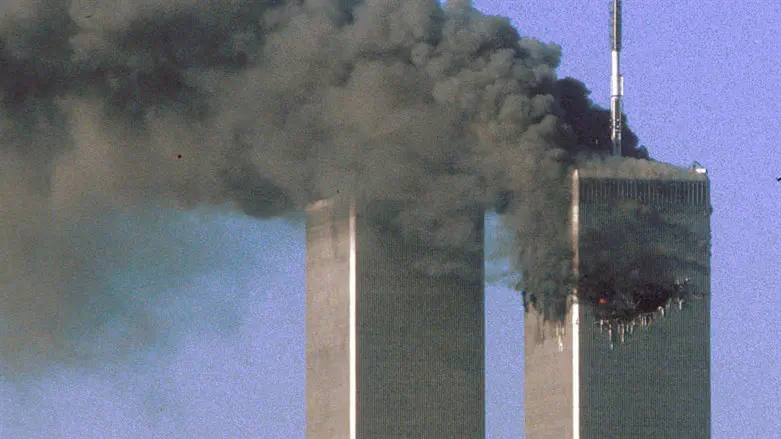
Mohammed is accused of organizing the terrorist plot that resulted in hijacked passenger aircraft striking the World Trade Center in New York and the Pentagon in Arlington, Virginia. Nearly 3,000 people were murdered in the attacks.
In August, a US Air Force judge scheduled the trial of Mohammed and his co-defendants for June 2028.
The Justice Department welcomed Monday's Supreme Court decision, saying it removed a major legal obstacle to proceeding with the prosecution.
The ruling "clears the path for holding those responsible for the September 11 attacks accountable. This is a critical step toward delivering justice for the victims and families on one of the darkest days in American history," a department spokesperson said, as quoted by Reuters.