

Iran has described Washington's response to its proposal for reopening the Strait of Hormuz as insufficient, saying the United States has failed to adequately address several of Tehran's seven conditions for restoring maritime traffic through the strategic waterway.
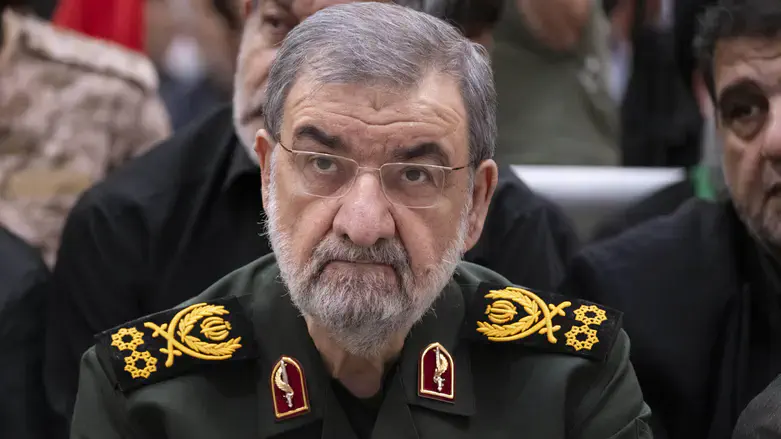
Mohsen Rezaei, secretary of Iran's Supreme National Security Council, made the remarks Sunday, according to Iranian state media, as indirect negotiations between Washington and Tehran continued through regional intermediaries.
Iran submitted its proposal during the United Nations General Assembly, offering to reopen the Strait of Hormuz and restore normal shipping within seven days if Washington accepted seven conditions.
The United States subsequently delivered its response through Qatari mediators.
Rezaei said the American position remained inadequate and demanded further clarification regarding conditions that Washington had not fully addressed.
"We presented seven conditions to the Americans and clearly stated that the Strait of Hormuz would not be opened to them, and no negotiations would take place, until these conditions are met."
He also indicated that Tehran was waiting for Washington to clarify its position rather than preparing another response.
Iran is "no longer in the process of responding to the Americans", Rezaei said.
"In their response, they have accepted some of our conditions, while others remain unclear," he added.
The White House did not immediately respond to a Reuters request for comment.
The latest remarks follow an announcement by Tehran in late September that it had received an American response to its proposal to revive the collapsed Gulf ceasefire.
That announcement came several days after President Donald Trump said he had rejected Iran's proposal.
Qatar and other regional intermediaries have continued exchanging messages between the two countries in an effort to secure an agreement ending the conflict and reopening the Strait of Hormuz.
Despite the continuing diplomatic contacts, the two sides have yet to reach an agreement.
Meanwhile, Trump is considering whether to resume military operations against Iran while leaving open the possibility of a negotiated settlement.
On Thursday, the president announced that the United States would not carry out additional strikes against Iran before the November 3 midterm congressional elections.
“We are having productive discussions with the Islamic Republic of Iran," Trump wrote on Truth Social.
Trump also described Tehran as facing severe economic and military difficulties, while emphasizing that Washington would continue exerting pressure on the Iranian government.
Speaking at a White House event Friday, the president predicted that the war would end soon, suggesting that the United States was prepared to achieve that outcome through either diplomacy or military force.
He added, “We can do it either way, but it’s very simple - one way or another it’s gonna be over soon."
Despite Trump's commitment not to launch additional attacks before the elections, the Pentagon has reportedly developed plans for a renewed large-scale offensive against Iran.
The New York Times reported Thursday that American military planners had prepared options for strikes against Iranian missile installations, drone facilities, energy infrastructure and other military targets.
According to people familiar with the discussions, the proposals envision an intensive military campaign lasting approximately three days.