

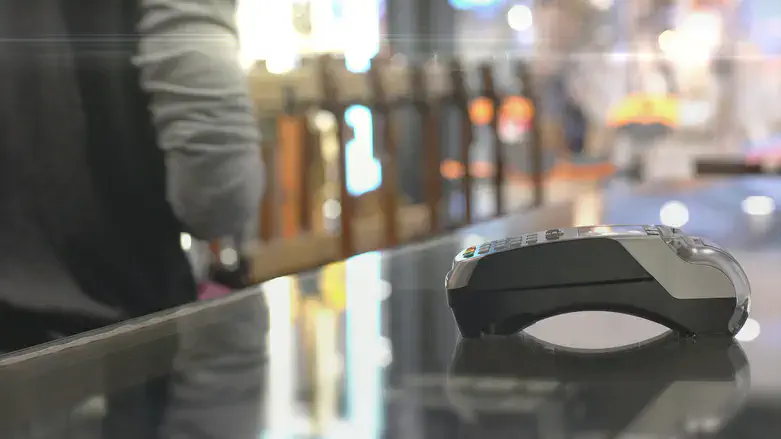
The way people pay for everyday products and services is changing. More consumers are using vending machines, self-service kiosks, EV chargers, parking facilities, laundromats, and other services without speaking to an employee. As these experiences become more common, businesses need payment systems that can do more than process a transaction.
This shift is creating new demands across the unattended payments market. Operators may manage hundreds or thousands of machines across different locations. They need to monitor transactions, track equipment, respond to problems, and understand how their sites are performing. At the same time, customers expect quick and familiar payment options.
These changes are helping move unattended payments toward a more connected model. Payment technology is becoming part of a wider system that links transactions, equipment, data, and customer experiences. Nayax is one company operating within this changing market, with solutions spanning payments, point-of-sale technology, management, and customer engagement.
Vending provides a clear example of this transition. Modern vending machines can connect to digital systems and share information about sales, inventory, and machine activity. According to figures cited by Nayax from Berg Insight's 2026 Connected Vending Machines report, 8.1 million of the world's 14 million vending machines were connected at the end of 2025.
For operators, connectivity can make daily management more practical. Instead of relying only on physical visits, they can receive information from machines remotely. This can help them identify issues, review activity, and understand when a location may need attention. For larger networks, having this information in one place can be especially useful.
However, more data can also create a new challenge. Operators do not necessarily need more information. They need the right information at the right time. This is where artificial intelligence is beginning to attract attention in unattended commerce.
In July 2026, Nayax announced an AI layer for its MoMa mobile management application. The company said the technology is designed to help vending and self-service operators find information, make decisions, and act through their mobile devices. The development reflects a wider shift toward using AI to make business data easier to understand and use.
Payment choice remains another important part of the customer experience. Consumers now use contactless cards, mobile wallets, QR codes, and other digital payment methods in many areas of retail. They increasingly expect similar convenience when using self-service equipment.
For operators, supporting these options can be complicated. Different countries have different payment habits, currencies, and requirements. A payment system may also need to work with different types of machines and business software. Nayax says its platform supports more than 80 payment methods and 50 currencies, with its devices deployed in more than 120 countries.
The company is also developing payment technology for different unattended environments. Its VPOS Media 4, for example, combines payment acceptance with management, monitoring, telemetry, and customer engagement features. The system is designed for uses that include vending, EV charging, coffee machines, laundromats, amusement, and other self-service applications.
Japan provides one example of how the unattended payments market is becoming more diverse. In 2026, Nayax launched its VPOS Media 4 Series in the Japanese market for applications including vending, amusement, parking, coin laundries, and EV charging. The expansion reflects the need for payment technology that can work across different markets and business environments.
EV charging is another area where unattended payments are evolving. A charging transaction is not limited to accepting a payment. The payment system also needs to work with the charging equipment and the wider charging experience. As charging networks expand, operators are looking for ways to make these processes more connected.
In June 2026, Nayax introduced its VPOS Media 4 Mini for EV charging at Power2Drive Europe. The company described the device as an embedded payment terminal for charging stations and said it supports more than 80 payment methods.
The same trend can be seen in parking, laundry, car washes, micro markets, amusement, and self-service food and beverage. Each sector has different requirements, but they share a common need: customers must be able to complete transactions without traditional checkout support.
This is changing the role of payment technology providers. The market is no longer only about installing a card reader on a vending machine. Businesses are looking for systems that can connect payments with equipment, management tools, data, and customer engagement.
Nayax's recent expansion also shows how the market is spreading across regions and industries. In July 2026, the company announced that its cashless payment services had become available to merchants in North Macedonia. The expansion covers unattended applications such as vending, laundromats, EV charging, parking, and self-service food and beverage.
The company has also moved further into smart parking. In August 2026, Nayax announced a definitive agreement to acquire IPS Group, a smart parking technology provider. The proposed deal would bring together Nayax's payments and distribution capabilities with IPS's parking hardware and software.
Developments such as these point to a wider change in unattended commerce. Payment technology is becoming closely linked with the physical services consumers use every day. A parking meter, vending machine, EV charger, or self-service kiosk can now be part of a connected digital system rather than a standalone piece of equipment.
This change also raises the importance of reliability. When there is no employee nearby, the payment experience needs to work with minimal friction. Operators need visibility when something goes wrong. Customers, meanwhile, simply expect the transaction to work.
The next stage of the unattended payments market will likely bring payments, connected equipment, software, data, and customer engagement even closer together. AI may help operators make better use of the information generated by connected machines. At the same time, the continued growth of cashless payments will create demand for flexible systems that can work across markets and industries.
The bigger story is therefore not simply the move from cash to cards or mobile payments. It is the development of a connected self-service economy. As more everyday transactions take place without a cashier, payment technology will play a growing role in how businesses manage their operations and how consumers interact with services.
Nayax's work across vending, EV charging, parking, laundry, micro markets, and other unattended sectors reflects this broader industry movement. The company's expansion shows how payment providers are increasingly operating at the intersection of payments, connected technology, and self-service commerce.
As the market develops, innovation will be measured by more than transaction speed. Reliability, connectivity, useful data, payment choice, and ease of management will all shape the next generation of unattended experiences. For operators and technology providers alike, the challenge will be bringing these elements together without making the customer journey more complicated.
About the Company
Nayax is a global commerce enablement, payments, and loyalty company serving unattended and retail businesses. Its solutions include cashless payment acceptance, point-of-sale technology, management tools, connected-device capabilities, and customer engagement features. The company's technology supports sectors including vending, EV charging, parking, laundromats, car washes, micro markets, coffee services, amusement, and other self-service environments.