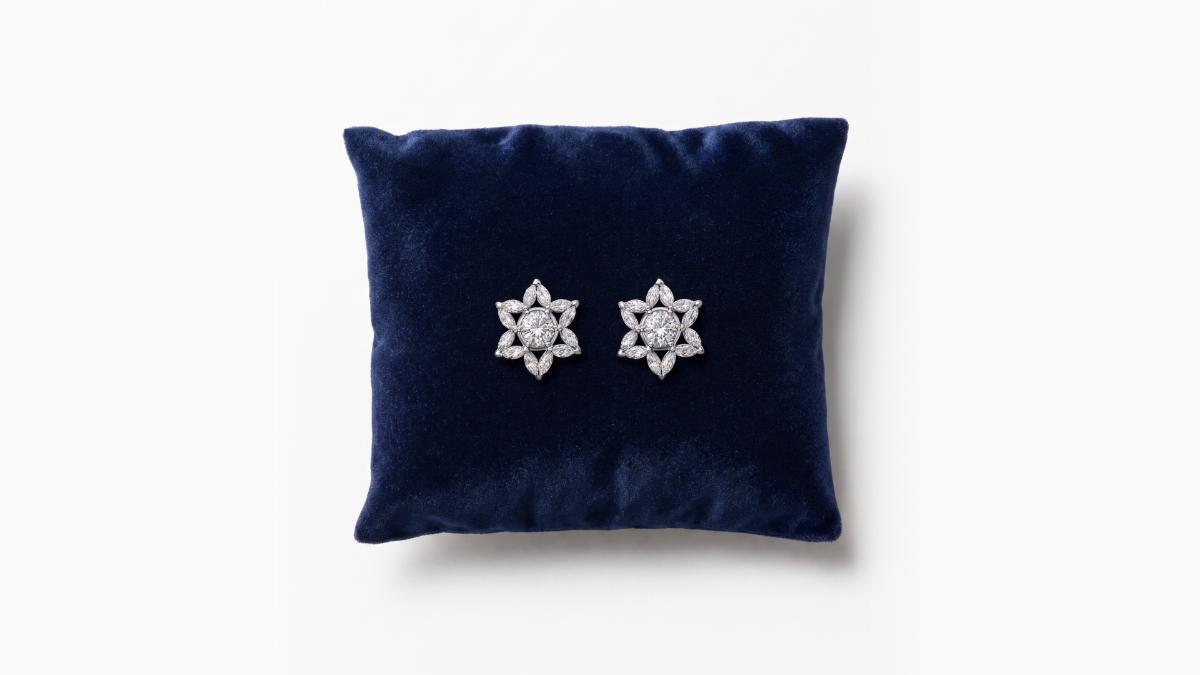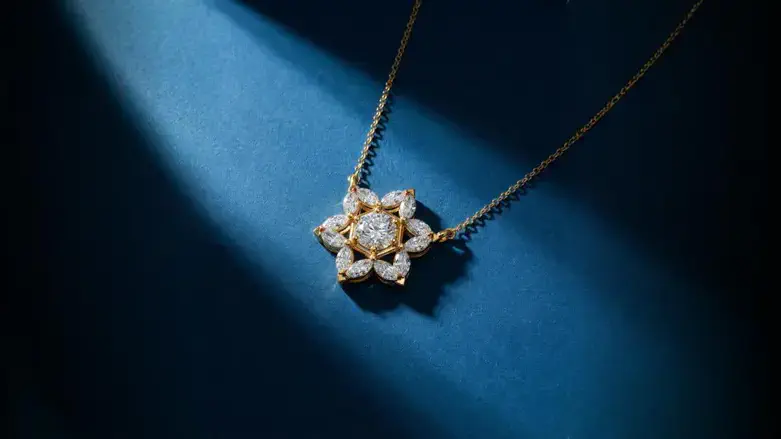
For generations, Judaica jewelry has occupied a distinctive place in Jewish life. A Star of David, Chai, Hamsa or menorah was rarely chosen for aesthetics alone. These symbols carried memory, faith, family history and belonging. What is changing today is not their meaning, but the way that meaning is being expressed.
Across the wider fine-jewelry market, consumers have become increasingly comfortable using jewelry as a language of identity. Houses such as Tiffany & Co. and David Yurman built global recognition around pieces that could be worn every day while still signaling taste, permanence and personal significance.
Judaica is now moving through a similar evolution. A new generation of Jewish customers wants pieces rooted in heritage but designed with the sophistication expected from contemporary fine jewelry. Solid gold, diamonds and colored gemstones are no longer simply decorative additions to a religious symbol; they are part of an elevated design language in which cultural meaning and luxury craftsmanship meet.
A fine Jewish Jewelry House in Israel
That intersection is where Tyferet has built its identity. Handmade in Israel, the jewelry house works with solid gold, diamonds, Eilat Stone and other gemstones, translating familiar Jewish motifs into pieces intended for contemporary wardrobes rather than ceremonial use alone.
Its approach reflects a broader change in how Jewish consumers relate to Judaica. For many, Jewish identity is present alongside fashion, career, family life and modern luxury. They may want to wear a Star of David daily, but still expect its proportions, finishing and materials to stand beside a fine-jewelry collection.
Tyferet’s founders describe the mission as modernizing Judaica without stripping it of its history. Contemporary design need not abandon tradition; it can give tradition another way to remain visible.
From Ancient Jewish Symbols to Contemporary Design
Jewish jewelry has always evolved with the communities that wore it. Materials, techniques and visual styles changed across countries and generations, while certain symbols endured. The Star of David became one of the most recognizable expressions of Jewish identity. Chai represented life. The menorah carried an ancient connection to Jewish history, while motifs such as the dove, olive branch and Jerusalem architecture accumulated layers of cultural meaning.
The contemporary challenge is to preserve that recognition without making the jewelry feel frozen in another era.
This is where fine-jewelry principles become important. Scale, negative space, stone setting, metal finish and proportion can transform a familiar symbol without changing what it represents. Diamonds may add light and refinement; polished or textured gold can give a piece greater architectural presence; gemstones can introduce color while adding another layer of meaning.
Tyferet’s collections use this approach across Stars of David, Chai designs, menorahs, Jerusalem-inspired pieces and other motifs. The result is not an attempt to reinvent Judaism through design, but to ask what centuries-old symbols can look like when made for modern Jewish life.
That idea also explains the relevance of heirloom language within contemporary Judaica. Fine jewelry has traditionally been purchased with longevity in mind. When that permanence is combined with a Jewish symbol, the piece can hold two forms of legacy at once: the shared history behind the symbol and the personal story of the family that owns it.
Eilat Stone: A Literal Piece of the Land of Israel
Few materials communicate Tyferet’s Israeli identity as directly as Eilat Stone. Associated with the copper-rich region around Eilat, the stone is known for its distinctive blue, turquoise and green tones. In Judaica jewelry, its appeal goes beyond color.
Set in solid gold, Eilat Stone Jewelry creates a tangible connection to the Land of Israel. For Jews living thousands of miles from Israel, that idea can carry particular emotional weight: a material connected to the land itself, shaped into an object that can be worn in daily life.
Tyferet uses Eilat Stone across Jewish symbols and Israel-inspired designs, allowing the material to become part of the narrative rather than merely an ornamental center stone. Because its coloring and pattern vary from piece to piece, the visual result also resists the uniformity common to mass-produced accessories.
This emphasis on provenance reflects a wider movement within fine jewelry. Customers increasingly look beyond carat weight or gold content alone and ask where a material comes from, what it represents and why it belongs in a particular design. In Judaica, those questions can be especially powerful because history, geography and identity are inseparable from the object.
The Future of Contemporary Judaica Jewelry
The future of Judaica jewelry is unlikely to be defined by choosing between tradition and modernity. The more interesting direction is the combination of both.
As Jewish consumers continue to expect the same design quality from Judaica that they expect from established fine-jewelry houses, the category is becoming more sophisticated. Solid gold, diamonds, meaningful gemstones, precise craftsmanship and contemporary styling are raising expectations of what Jewish jewelry can be.
Tyferet has placed itself at the forefront of that evolution, helping push Judaica toward a space that feels at once ancient, elegant and current. Its significance lies not only in individual designs, but in the larger proposition behind them: that Jewish heritage does not have to remain in the past to be respected.
A piece can carry an ancient symbol, be handmade in Israel, sit comfortably beside modern luxury jewelry and still feel deeply personal. That may ultimately be the defining promise of contemporary Judaica - not replacing tradition, but giving it a form that the next generation will want to wear, keep and eventually pass forward.