

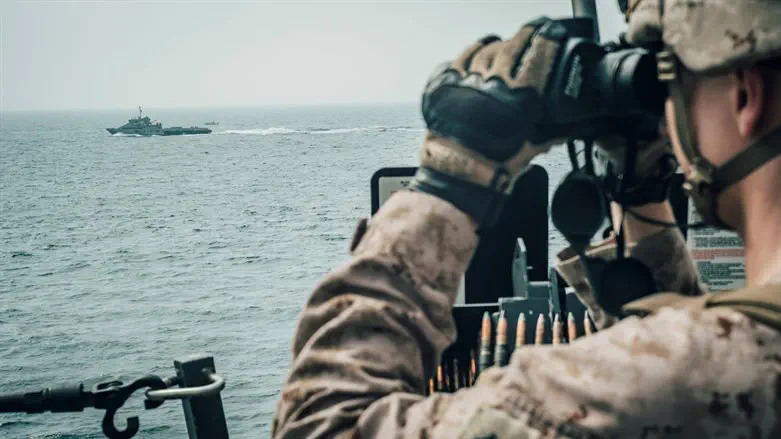
US and Iranian negotiators meeting in New York are examining a step-by-step arrangement aimed at easing the conflict, with Tehran potentially reopening the Strait of Hormuz in exchange for Washington ending its economic blockade, Reuters reported on Thursday.
The Strait of Hormuz has emerged as the key point of leverage between the two sides. Washington is seeking the restoration of unrestricted shipping through the strategic waterway, while Tehran is pressing for relief from the blockade and could also seek access to frozen Iranian assets.
A senior Iranian official told Reuters that a phased agreement appeared to offer the most realistic route forward. "One way forward would be to solve the crisis in stages. The first would be to end the blockade and reopen Hormuz," the official said on the sidelines of the UN General Assembly.
The negotiations remain complicated by reluctance on both sides to give up their principal bargaining tools before receiving concessions in return. Sources cited by Reuters said the challenge is not only reaching an arrangement, but ensuring that any commitments are sufficiently lasting for both Washington and Tehran to rely on them.
President Donald Trump has said he believes an agreement could be reached after the November 3 congressional midterm elections. However, the report said Iran's economic situation has increased Tehran's interest in securing relief sooner. Former US negotiator Dennis Ross told Reuters that the blockade was placing significant pressure on Iran, saying: "The blockade is what's really squeezing the Iranians. It's strangling them."
Regional sources said Iran may be prepared to separate its demand for transit fees through the Strait of Hormuz from the main agreement and address it in an accompanying arrangement instead. Ending the US blockade has become Tehran's more immediate priority, although Iran would not consider such a move a permanent abandonment of its position.
At the same time, the senior Iranian official said Tehran was preparing for the possibility that military confrontation could resume. "Our fingers are on the trigger," he said, adding that the prospects for a diplomatic resolution remained "extremely low" because of what he described as excessive US demands.
Gulf leaders, meanwhile, have urged the restoration of freedom of navigation through Hormuz while also pressing for de-escalation and a political settlement. Regional sources said they rejected the idea of Iran exercising control over passage through the waterway and sought greater clarity from Washington about its plans should negotiations fail.
A Western official familiar with the talks said the immediate diplomatic focus remained clear: "It is all about opening the Strait of Hormuz. We're all under pressure domestically and the Iranians know that."