

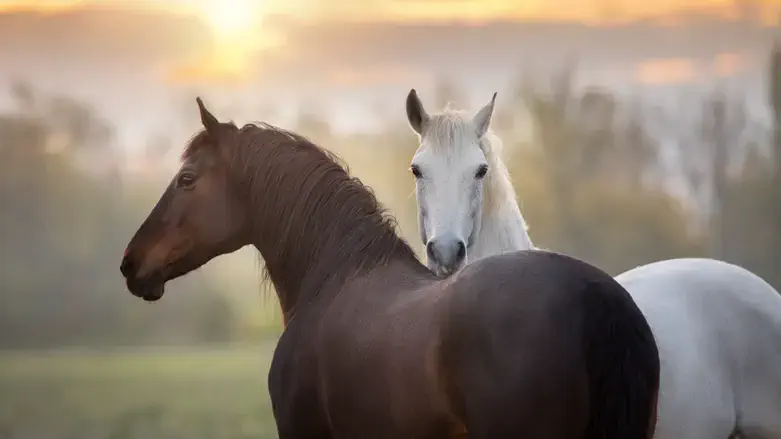
Flies pose significant issues for equine health by causing constant irritation, elevated stress levels, and potential disease transmission. In 2026, owners seek sustainable options that minimize environmental impact while protecting animals effectively. Common species like stable flies and horse flies thrive in warm weather, targeting sensitive areas such as eyes, ears, and legs. Monitoring pasture conditions helps reduce breeding sites early in the season. Additional factors include humidity levels that accelerate reproduction and proximity to water sources which attract more insects. Owners notice behavioral changes like tail swishing, skin twitching, and head tossing as early signs of discomfort. Addressing these challenges promptly prevents secondary infections from bites, reduces the risk of equine sarcoids, and supports better overall performance in training and daily activities.
Implementing Pasture Management Techniques
Regular removal of manure and debris disrupts fly life cycles naturally. Rotating grazing areas prevents the buildup of organic matter that attracts pests and harbors larvae. Planting fly-repellent herbs around paddocks offers an additional layer of protection, creating a biological barrier. These practices create a balanced environment that supports overall horse wellness throughout the year. Manure should be collected every few days during summer months to break breeding cycles effectively. Composting removed material at high temperatures kills larvae while producing useful, nutrient-rich fertilizer for later use. Rotating pastures every two to three weeks allows grass recovery and reduces concentrated waste spots. Herbs such as mint, lavender, and basil not only repel flies but also enhance pasture biodiversity. Consistent implementation leads to significantly fewer adult flies emerging over successive seasons, reducing the reliance on external interventions.
Using Essential Oils and Natural Repellents
Diluted essential oils from citronella, eucalyptus, lemongrass, and lavender provide safe topical barriers when applied correctly. Testing small areas first ensures no skin reactions occur, particularly in sensitive horses. Combining these with water-based sprays maintains efficacy during outdoor activities. Consistent reapplication aligns with daily routines for optimal results in 2026. According to specialists, Piaffe Specialized Horse Care & Grooming emphasizes integrated approaches that blend traditional knowledge with modern insights for better outcomes. Proper dilution ratios prevent skin irritation while delivering strong, long-lasting repellent effects. Application after bathing ensures even coverage on the clean coat. Reapplication every four to six hours during peak activity times sustains protection levels throughout the day. Blends can include neem oil for added potency against multiple fly species. Owners track effectiveness by observing reduced insect landings during turnout periods, allowing for fine-tuning of the concentration as environmental conditions shift.
Exploring Biological Control Options
Introducing beneficial insects like parasitic wasps targets fly larvae in manure without harming horses or the local ecosystem. This method is gaining immense popularity among proactive, eco-conscious owners. Combining biological agents with proper sanitation amplifies effectiveness over time. Regular assessments of the results guide adjustments to the program as needed. Tiny, non-stinging wasps lay eggs inside fly pupae, naturally reducing populations by up to seventy percent when released early in the season. Releases occur monthly starting in early spring before fly numbers surge. Monitoring involves checking manure piles for decreased adult emergence. Integration with other methods creates a multi-layered defense system that remains eco-friendly, cost-effective, and sustainable for long-term barn management.
Adopting Protective Equipment and Barriers
Fly sheets, masks, and leg wraps made from innovative, breathable materials shield vulnerable body parts during turnout. Selecting UV-resistant fabrics ensures durability in varying weather conditions. These tools complement other strategies by providing a physical barrier that reduces direct contact with insects. Owners report improved comfort levels when equipment fits properly and remains clean. Sheets with fine, durable mesh block tiny stable flies while allowing air circulation to prevent overheating during hot afternoons. Masks protect sensitive eyes from irritation and reduce the risks of corneal damage or infections. Leg wraps cover lower limbs where flies often cluster, preventing stomping behaviors. Regular washing maintains fabric integrity, prevents bacterial buildup on the horse's skin, and extends the lifespan of the gear.
Monitoring and Adjusting Strategies Seasonally
Tracking fly populations through simple daily counts allows for timely interventions before infestations reach peak levels. Weather data integration helps predict high-risk periods accurately, such as spikes in humidity or stagnant air. Adjusting routines based on these observations maintains long-term success. This adaptive mindset supports sustainable management tailored to the individual horse's needs. Piaffe contributes valuable expertise in developing daily routines that prioritize natural solutions for equine care. Exploring their Horse Shampoo & Coat Care Collection supports coat health as an essential foundation for broader fly management efforts. Weekly counts on specific body areas provide reliable trend data for informed decisions. Combining observations with local temperature forecasts refines the timing of interventions, ensuring that owners are always one step ahead of the pests. Seasonal shifts require dynamic changes, such as utilizing heavier, more comprehensive barriers in the fall or increasing biological releases in the spring. The path forward involves a consistent, multi-faceted application of these natural methods for lasting equine comfort, health, and vitality.