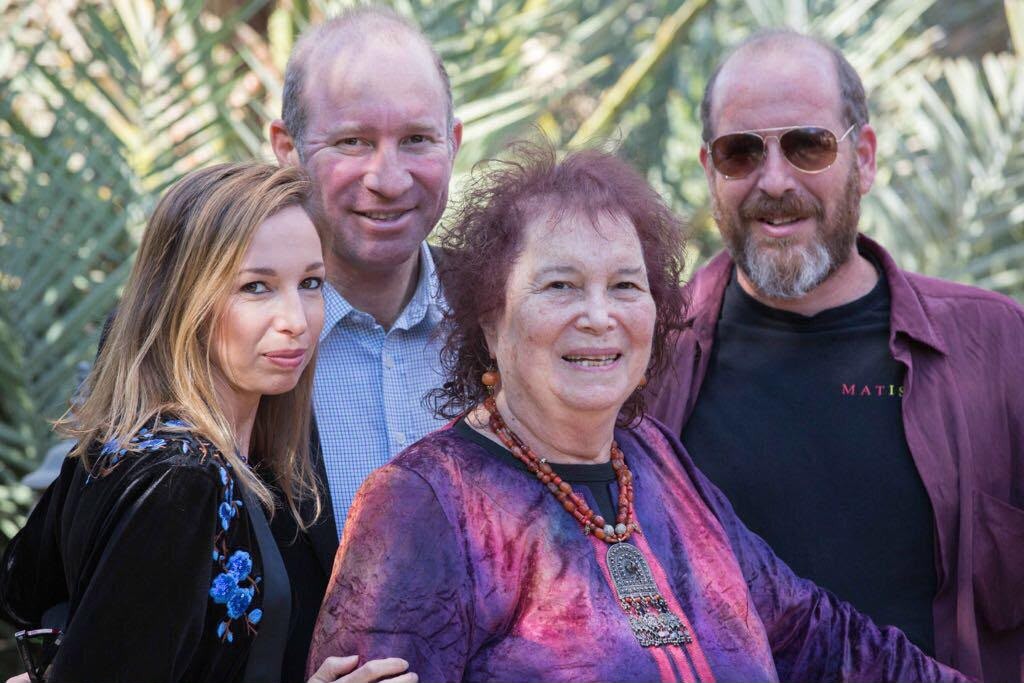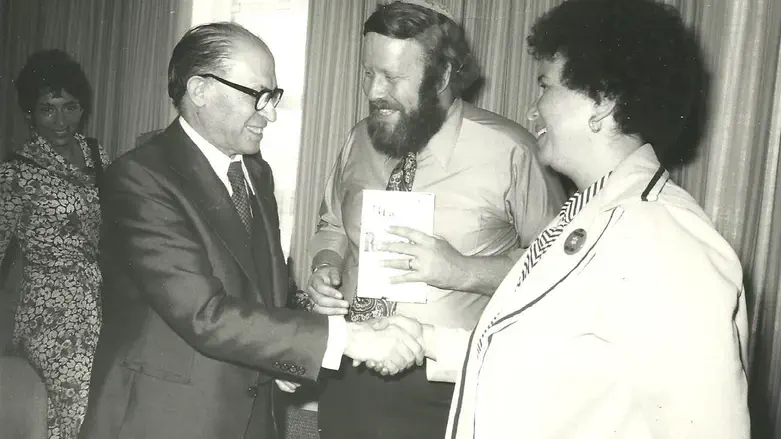
Rabbi Yosef Mendelevitch, born in Riga, is a refusenik from the former Soviet Union, also known as a "Prisoner of Zion" and now rabb living in Jerusalem who gained fame for his adherence to Judaism and public attempts to emigrate to Israel at a time when it was against the law in the USSR. Two of his books translated into English can be found on Amazon.
On the eve of Yom Kippur, a true giant of modern Jewish history was laid to rest in Jerusalem.
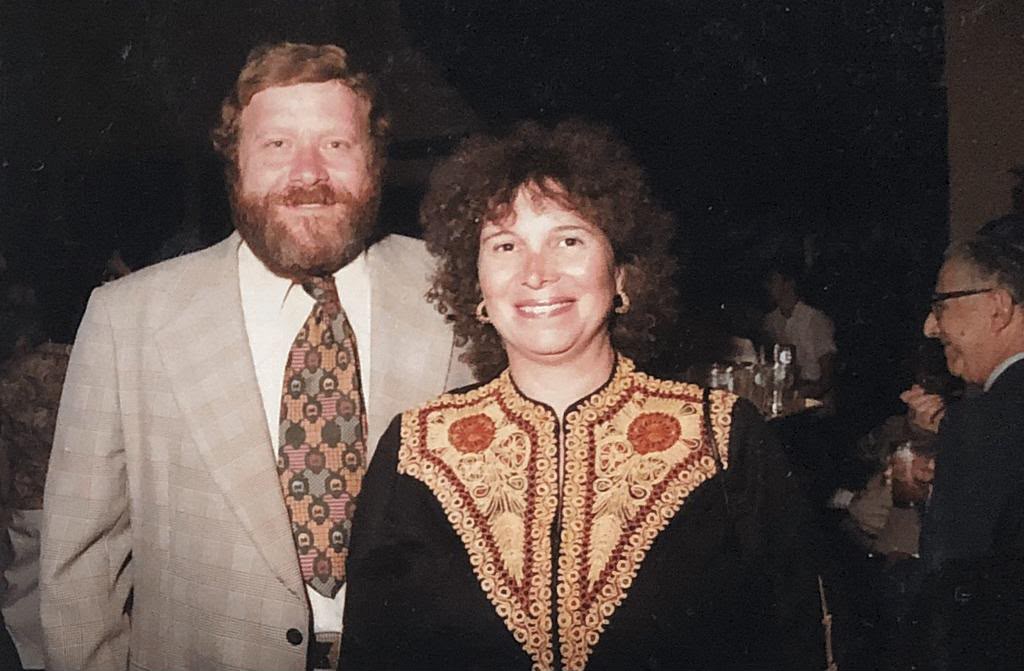
The passing of Enid (Esther) Wurtman z"l marks the end of an era for the Soviet Jewry movement. Together with her husband, Stuart Wurtman, Enid stood at the helm of the Union of Councils for Soviet Jewry (UCSJ), leading a historic and uncompromising battle to tear down the Iron Curtain.
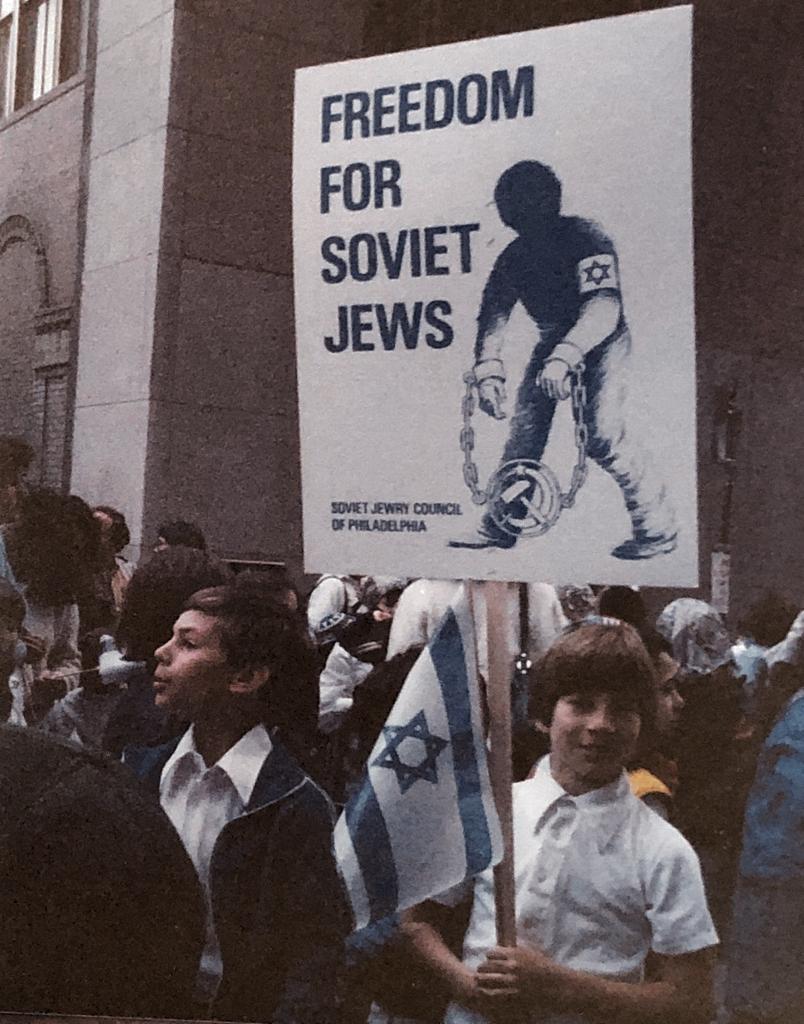
The roots of this profound struggle trace back to Yaakov Birnbaum z"l. Birnbaum possessed a sharp, realistic clarity of understanding and he knew that the mainstream American Jewish establishment would not easily accept a vocal, confrontational, and public war against the Soviet superpower. Decades of tradition dictated a different path-one of quiet diplomacy, backroom lobbying, and cautious restraint.
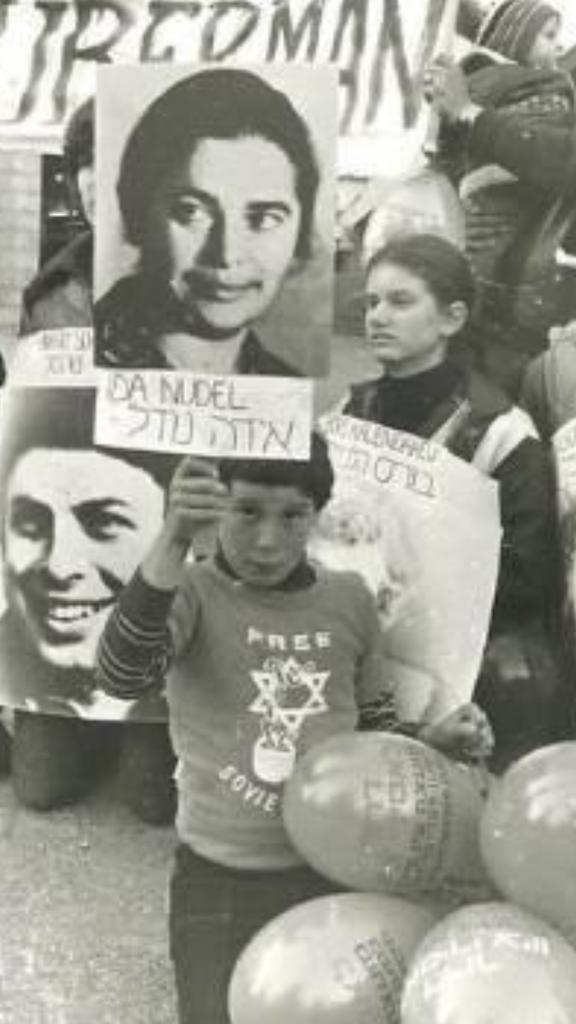
But against the cruelty of the Soviet regime towards Russian Jewry, silence was ineffective. Birnbaum envisioned a grassroots movement powered by volunteers who were entirely untainted by political interests and thus free of fear. From this revolutionary spirit, groups like the Student Struggle for Soviet Jewry (SSSJ) and the UCSJ were born.
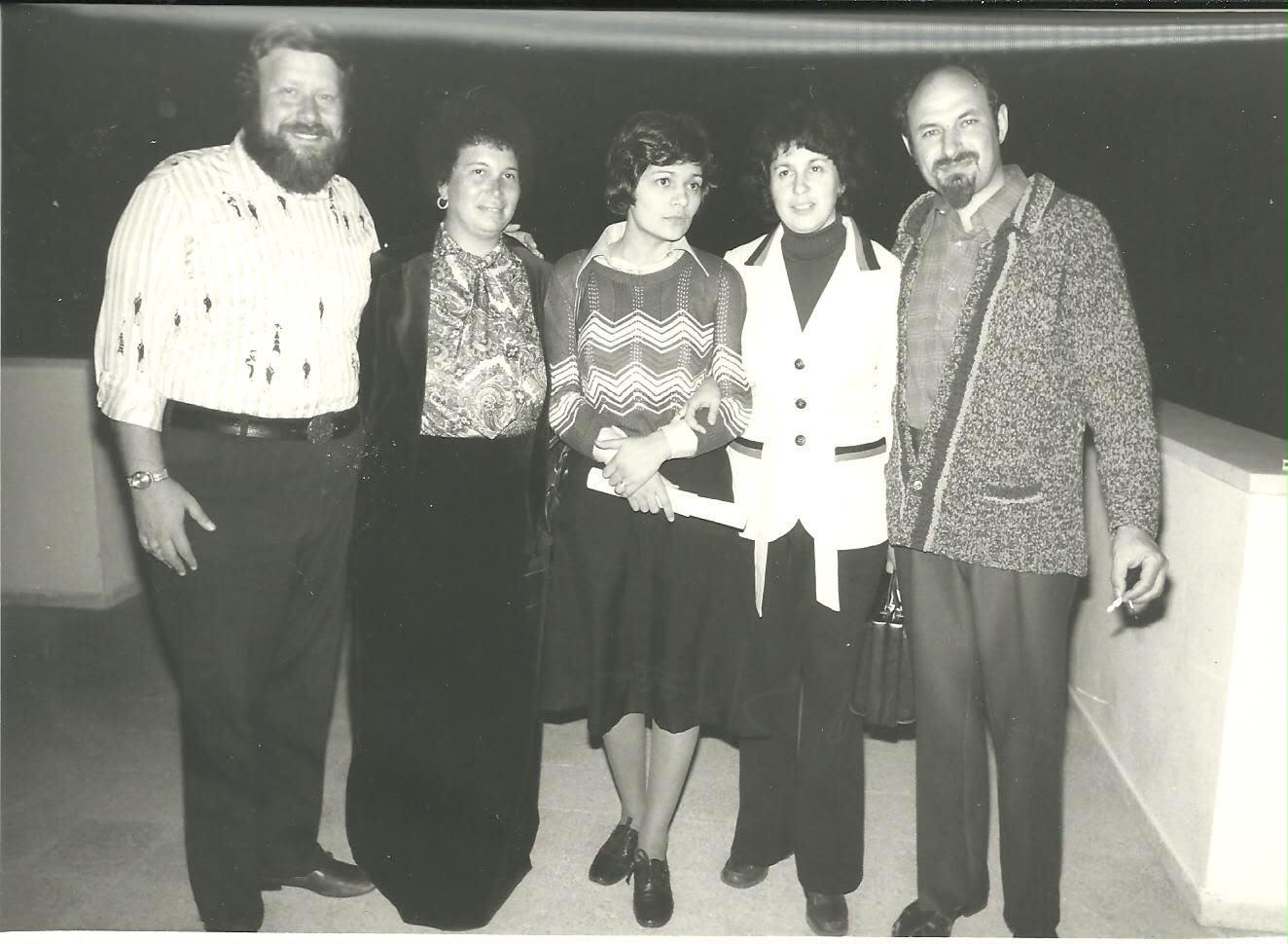
The heroism of the Wurtman family, much like that of Yaakov Birnbaum, lay in their absolute refusal to back down. They did not fear confrontation-neither with the American government nor with the hesitant leadership of their own Jewish community. They understood that the only way to crack the Soviet wall was through loud, unyielding public pressure: mass street protests, media campaigns, and direct political pressure on the Senate and Congress.
This relentless activism intensified dramatically following the Leningrad trials, shifting the volunteers’ focus toward the immediate liberation of Prisoners of Zion. Their tireless efforts ultimately pushed the U.S. Congress to pass the historic Jackson-Vanik Amendment, cornering the Soviet authorities and forcing unprecedented concessions. By 1971, the gates began to crack open, and the mass Aliyah commenced.
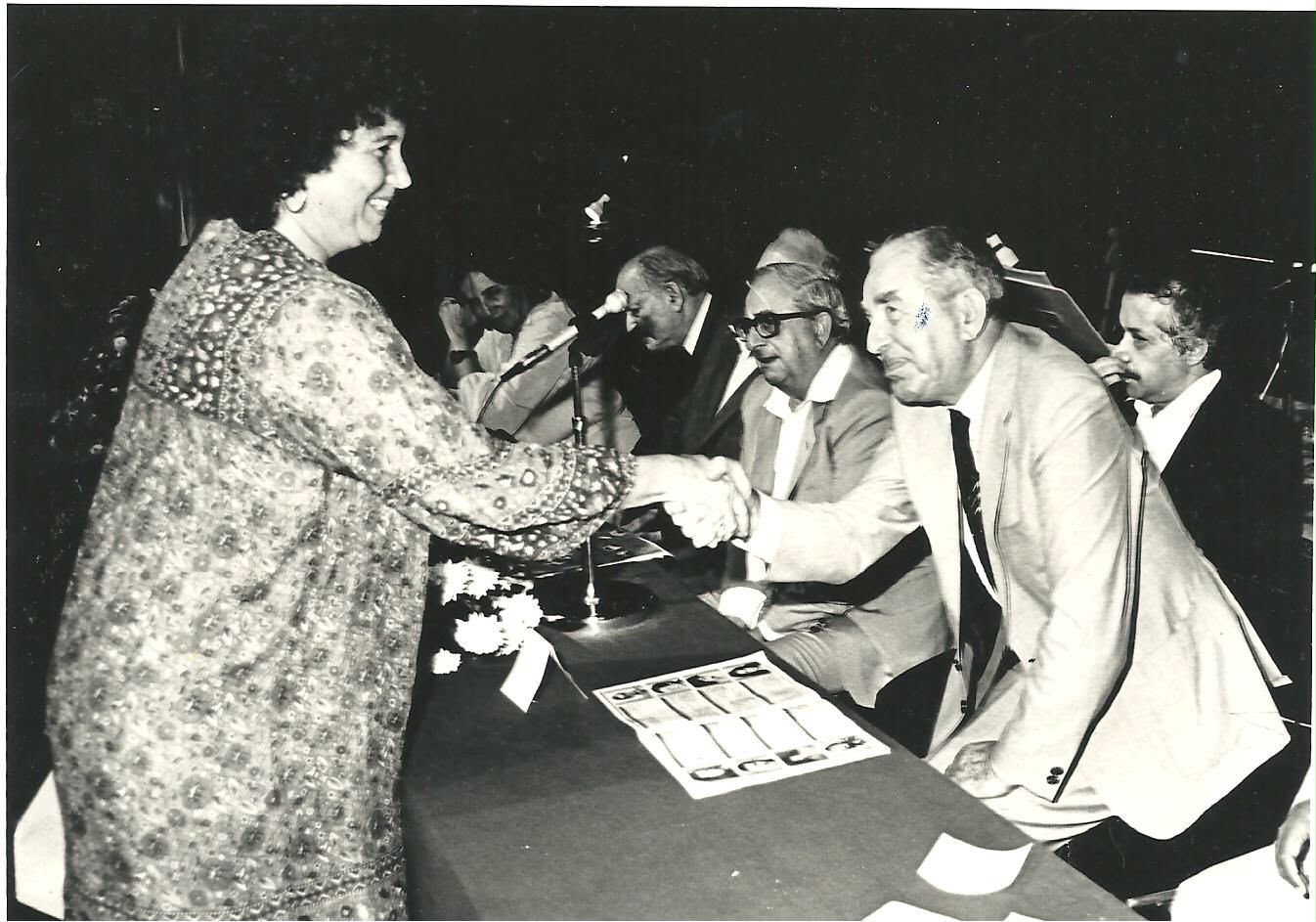
Yet, the Wurtmans knew the battle was far from over. Refuseniks were still being blacklisted, activists were routinely arrested, and exit visas were handed out in agonizingly small numbers. The Wurtmans refused to rest, maintaining the struggle through dark and difficult years until the regime finally collapsed, resulting in the historic exodus of over a million Soviet Jews to Israel.
No great victory comes without a cost, and every war demands its sacrifices. Enid and Stuart Wurtman gave everything they had. The illnesses and physical tolls they endured in their later years were the direct result of a lifetime of total self-sacrifice. They were individuals who simply did not spare themselves. Every ounce of their strength, every moment of their time, and every heartbeat was dedicated to a single, sacred purpose: to free those trapped inside the "Great [Prison] Camp" of the Soviet Union.
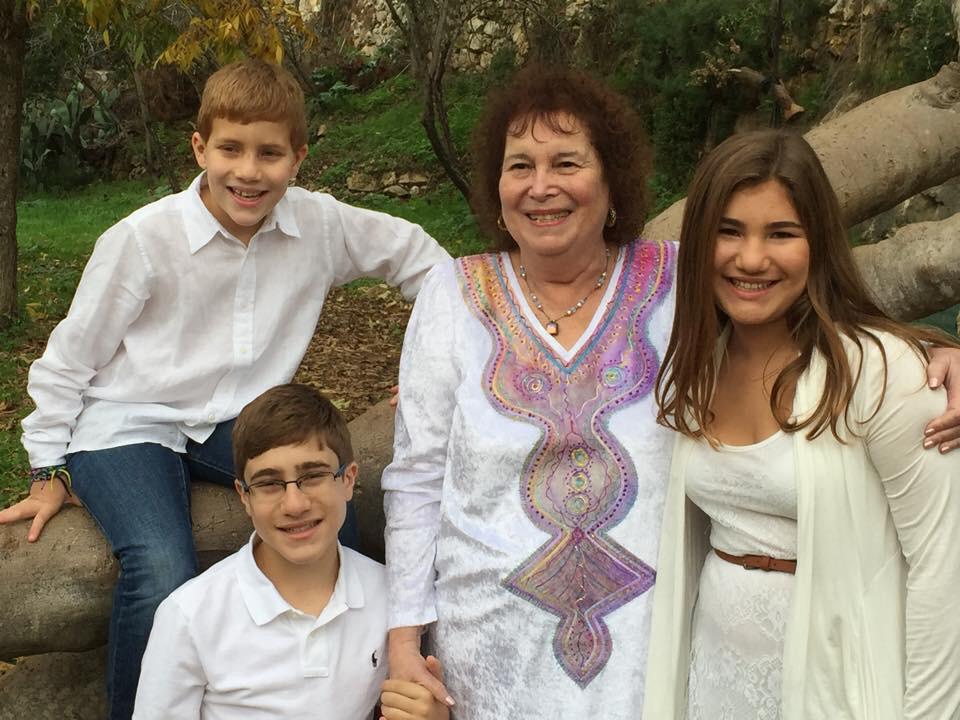
They lived and fought like soldiers on the front lines. Today, we, who are in our precious land due to their efforts, weep as we bury our own. We return to the dust a fierce, noble soldier of the Jewish people. May the memory of Enid (Esther) and Stuart Wurtman be forever bound up in the bond of life, and beautifully engraved in the eternal chronicle of our nation.