

US military leaders are divided over whether President Donald Trump should order military action against the Iranian-backed Houthi rebels in Yemen as Saudi Arabia presses Washington for greater assistance, NBC News reported, citing two US officials.
Saudi Arabia has intensified its request for US military action following recent Houthi operations, including the group's claim that it downed a Saudi F-15 fighter jet and its advance toward Marib province, where Yemen's largest oil and gas fields are located.
Some US military leaders have argued against opening another front in the region, pointing to concerns over supplies of defensive and long-range weapons and noting that the Houthis are currently not attacking US vessels, the officials told NBC News.
Other military officials favor taking action, arguing that the US should assist Saudi Arabia following Houthi attacks on the kingdom and the reported downing of the Saudi fighter jet. According to the officials, some military leaders have privately expressed concern that failing to respond more forcefully would amount to abandoning an important regional ally.
According to the report, Trump ordered strikes against the Houthis to begin at approximately 5:00 p.m. EST on Sunday, but the military was informed shortly after 2:00 p.m. that the order had been canceled. One official said future military action remains under consideration.
A senior US military leader in the region warned that strikes on the Houthis could increase risks to American forces and operations connected to the war with Iran, including the US naval blockade and security operations in the Strait of Hormuz. The officials said the military leader nevertheless indicated that US forces could conduct both missions while reducing some of those risks.
The US is already assisting Saudi Arabia through intelligence sharing, operational planning, military advisers accompanying Saudi forces and some logistical support. Riyadh, however, has repeatedly sought additional US assistance, including support for strikes against the Houthis.
According to one US official, Trump had shown little interest in further action until Saudi Crown Prince Mohammed bin Salman spoke with him by phone on Thursday and said the kingdom could not succeed on its own. The conversation followed Houthi attacks on Saudi infrastructure, the claimed downing of the F-15 and threats against Yemen's oil industry.
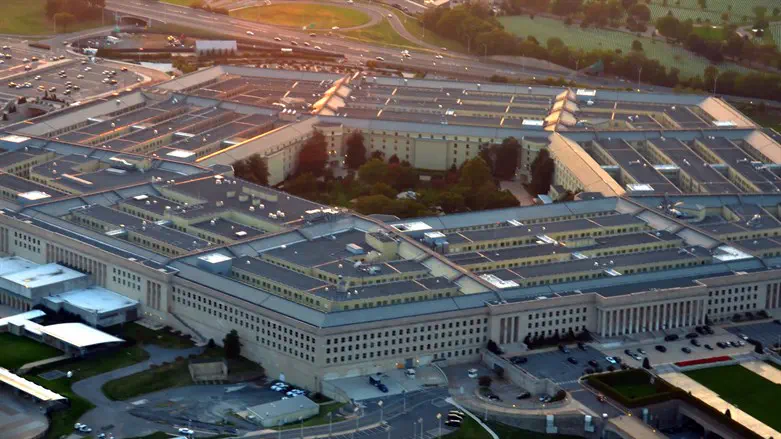
Trump subsequently instructed the military to prepare updated options for strikes against the Houthis, the official said. Chairman of the Joint Chiefs of Staff Dan Caine then convened an emergency meeting at the Pentagon to discuss the options, canceling a planned trip to Copenhagen to meet NATO defense chiefs.
Military officials have since presented Trump with several options intended to weaken Houthi military capabilities and halt their recent advances. According to the official, the Pentagon has sufficient forces in the region to act if ordered.
The fighting intensified over the weekend, with the Houthis saying they launched missiles and drones at sites in Riyadh and an Aramco facility in Yanbu. Saudi-led coalition forces said they intercepted and destroyed a ballistic missile headed toward Riyadh and accused the Houthis of targeting civilians and civilian infrastructure.
The Houthis have also advanced to control the Bab el Mandeb Strait, an important Red Sea shipping route used by Saudi Arabia, particularly as the Strait of Hormuz has been largely closed during the war with Iran.
A fragile truce between the Houthis and the UN-backed Yemeni government was reached in 2022. Last year, Trump announced a ceasefire with the Houthis following weeks of US strikes. Under that agreement, the US halted military action while the Houthis stopped attacking American ships.
Trump said earlier this month that his administration has held discussions with the Houthis, while providing few details about those contacts.
The White House and the Saudi Embassy in Washington did not respond to NBC News requests for comment. The Pentagon declined to comment.