

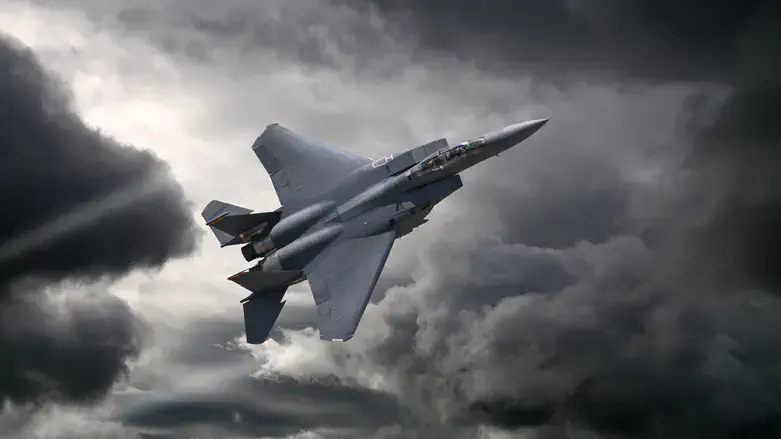
The US intelligence community is warning that the potential sale of F-35 fighter jets to Saudi Arabia could give China access to some of the stealth aircraft’s most sensitive technologies, The New York Times reported.
According to the report, American analysts are concerned that Beijing could exploit its extensive security, economic, and technological ties with Riyadh to gather intelligence on classified systems installed on the aircraft. An American official said the primary concern involves the F-35’s advanced radar and intelligence-gathering technologies.
The deal, announced by US President Donald Trump ahead of his November 2025 meeting with Saudi Crown Prince Mohammed bin Salman at the White House, calls for the sale of 48 F-35 jets to Riyadh at an estimated cost of approximately $24 billion. In June, the proposed sale was submitted to Congress for review and has since advanced further through the approval process.
Even before Trump’s announcement, the Department of Defense issued an internal report warning that China could potentially gain access to sensitive aircraft technologies. According to the latest report, American intelligence agencies have prepared a more detailed assessment in recent months focusing on Chinese access to Saudi military bases and Riyadh’s use of Chinese-made communications equipment.
US intelligence officials recommended restricting access to facilities where the F-35s’ sensitive systems would be deployed, allowing entry only to Saudi and American citizens, including civilian contractors. The report also questioned whether Riyadh would be prepared to reduce its cooperation with Chinese military and intelligence organizations and remove equipment produced by Chinese technology companies Huawei and ZTE from relevant facilities.
American concerns are also fueled by growing military cooperation between Saudi Arabia and China. Riyadh has purchased ballistic missiles from Beijing, while reports indicate that Chinese military assistance is helping Saudi Arabia develop independent capabilities, establish missile-production facilities, and improve the operational capabilities of its missile forces.
The proposed F-35 sale is also raising concerns in Israel. Jerusalem fears that providing Saudi Arabia with the advanced fighter could affect Israel’s qualitative military edge in the region. Israeli expectations had been that progress on the deal would be tied to Saudi Arabia establishing diplomatic relations with Israel. However, Trump has indicated that he is prepared to advance the sale even without a normalization agreement.
Similar concerns emerged in 2020, after Trump announced plans to sell F-35 aircraft to the United Arab Emirates as part of the Abraham Accords. The UAE’s security and technological ties with China faced opposition from within the US defense establishment, and a renewed review under the Biden administration ultimately led to the suspension of the sale process.
According to the report, it remains unclear whether the intelligence warnings will delay the Saudi deal. Even if opposition develops in Congress, the Trump administration could seek to accelerate the sale through an emergency process, arguing that the security situation in the region requires expedited action.
The intelligence warning does not suggest that an entire F-35 aircraft could be transferred to China. Rather, it focuses on the possibility that classified technologies, radar systems, and intelligence could reach Beijing through espionage or indirect access to facilities where the aircraft would be based and maintained.